Uncertain Future: Potential Scenarios for Iran's Regime Change and Transition of Power
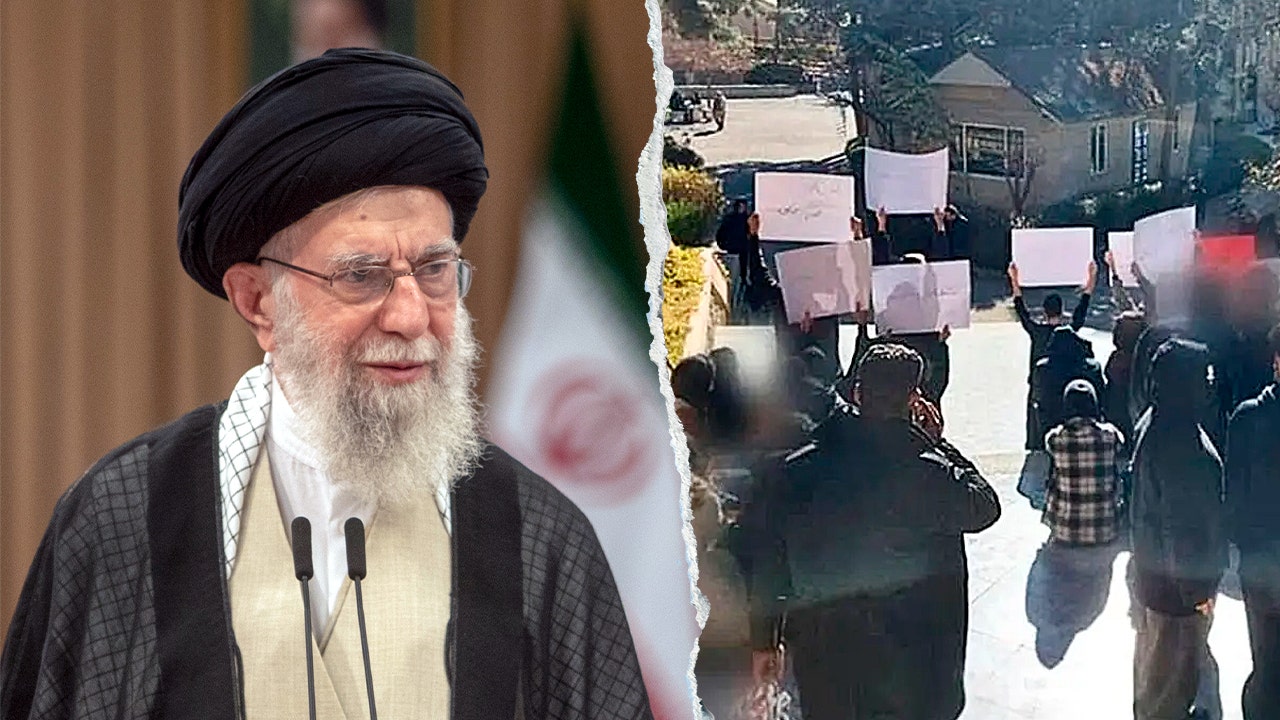
As protests against the Iranian regime continue to escalate, the question of who would assume power in the event of the regime's collapse remains uncertain. Experts suggest that the outcome may depend on the manner in which the regime falls and the unity of Iran's security forces.
Behnam Ben Taleblu, a senior fellow at the Foundation for Defense of Democracies, emphasizes that the critical factor is not just the collapse of the regime but the circumstances surrounding it. He warns against superficial transitions that only reshuffle elites and stresses the need for meaningful change for the Iranian people.
The opposition in Iran faces a logistical challenge in translating street protests into organized political power before the security forces regain control. The future of Iran hinges on the integrity of the regime's coercive apparatus, including the Islamic Revolutionary Guard Corps and other security units.
The key to a successful transition lies in potential defections or fractures within the security forces. Ben Taleblu emphasizes the importance of weakening the regime's coercive power through sustained protests, economic strikes, and internal divisions within security units to pave the way for change.
There are concerns that a regime change could result in the disappearance of clerical figureheads while power remains in the hands of armed institutions. The fear is that a mere reshuffling of power at the top would not satisfy the Iranian people, leading to a challenging road ahead.
Analysts point to historical examples like Egypt, where the military intervened during unrest. While a military-led transition is possible in Iran, it would be complex due to the diverse nature of the country's military institutions.
Despite international attention on jailed activists, experts doubt that Iran's next political leadership would emerge from within the prison system. Decades of repression have hindered the cultivation of political leadership within Iran, necessitating the development of leadership outside the country.
Reza Pahlavi has emerged as a unifying figure for opposition mobilization amid escalating unrest in Iran. He advocates for a secular, democratic Iran committed to human rights and emphasizes that the people should decide the country's future system through a free constitutional process.
Supporters of Pahlavi believe he is the only viable figure capable of guiding a transition, while others in the diaspora contest this view. Pahlavi's visibility in the West and among parts of the Iranian public makes him a polarizing figure, especially among those wary of monarchy or external influence.
The Mujahedin-e Khalq, led by Maryam Rajavi, has received support from senior U.S. political figures over the years. Rajavi emphasizes the need for an organized, nationwide resistance to overthrow the Islamic Republic and proposes a transitional period culminating in free elections for a new democratic, secular republic.
Critics question the level of support for the NCRI's platform inside Iran, citing the MEK's history of violence and rigid ideology. Despite differing views, experts agree that there is no clear successor waiting to assume power in Iran, emphasizing the ongoing nature of the situation and the need for a strategic approach to a post-Islamic Republic Iran.