Artistic Backlash: Sonia De Los Santos and Other Artists Cancel Performances at the Kennedy Center
Sonia De Los Santos, a Grammy-nominated singer-songwriter, has canceled her upcoming performances at the Kennedy Center in Washington. She was set to give two concerts for young audiences on Feb. 7, followed by a discussion with the audience. De Los Santos, a Mexican American artist known for her Latin Grammy-nominated children's album "¡Alegría!" expressed concerns about the venue not being a welcoming space for herself, her band, and the audience due to the current climate.
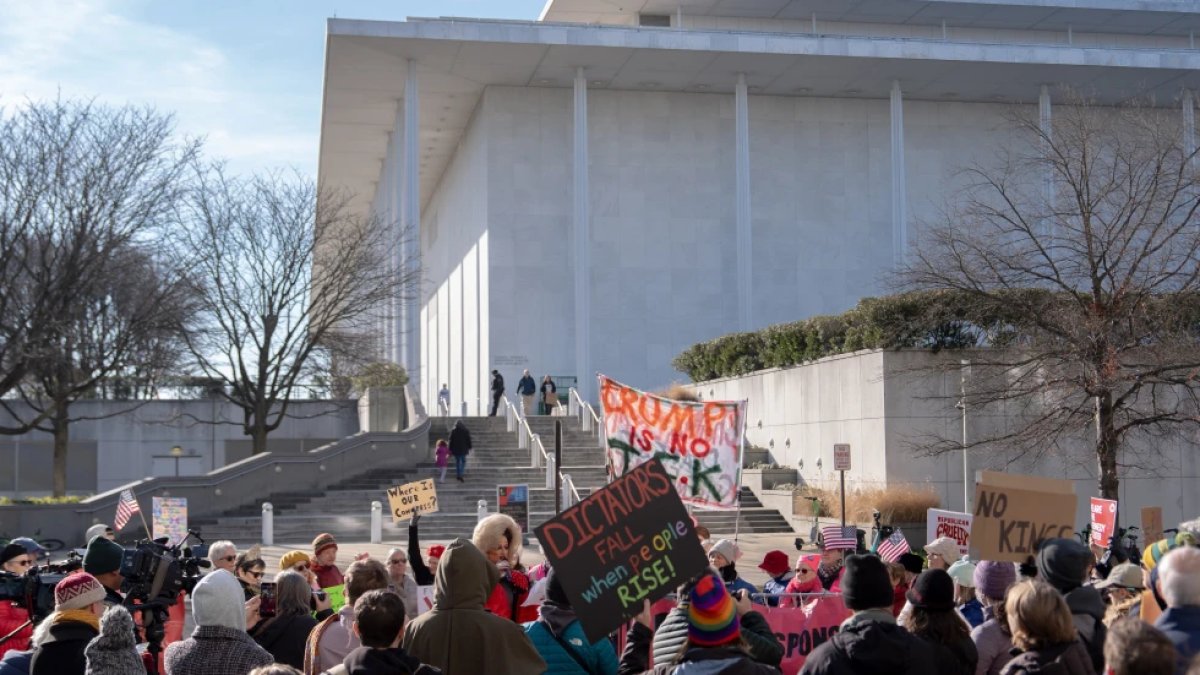
De Los Santos shared her decision on Instagram, stating that as an artist, she values the freedom to create and share her music, focusing on uplifting the stories of immigrants in the country. The Kennedy Center spokesperson challenged De Los Santos' reasoning, emphasizing that the country was built on legal immigrants and finding her statement offensive. The ongoing changes at the Kennedy Center, including President Trump's involvement and the rebranding as the Trump-Kennedy Center, have led to a series of cancellations by various artists.
The controversy surrounding the Kennedy Center has prompted several artists to cancel their appearances, citing political and charged atmospheres at the venue. Notable cancellations include jazz musician Chuck Redd, the jazz group The Cookers, banjo player Bela Fleck, "Wicked" composer Stephen Schwartz, and the variety show Asian AF. The rebranding and leadership changes at the Kennedy Center have sparked a debate about political influence and discrimination in the arts community.
In conclusion, the Kennedy Center has faced backlash from artists and performers who have chosen to cancel their appearances due to concerns about the venue's political climate and leadership changes. The ongoing controversy highlights the intersection of art, politics, and cultural institutions, raising questions about inclusivity, representation, and freedom of expression in the performing arts.