Analyzing the Impact of President Trump's Tariffs: A Study on Actual Tariff Rates and Their Effects on US Imports
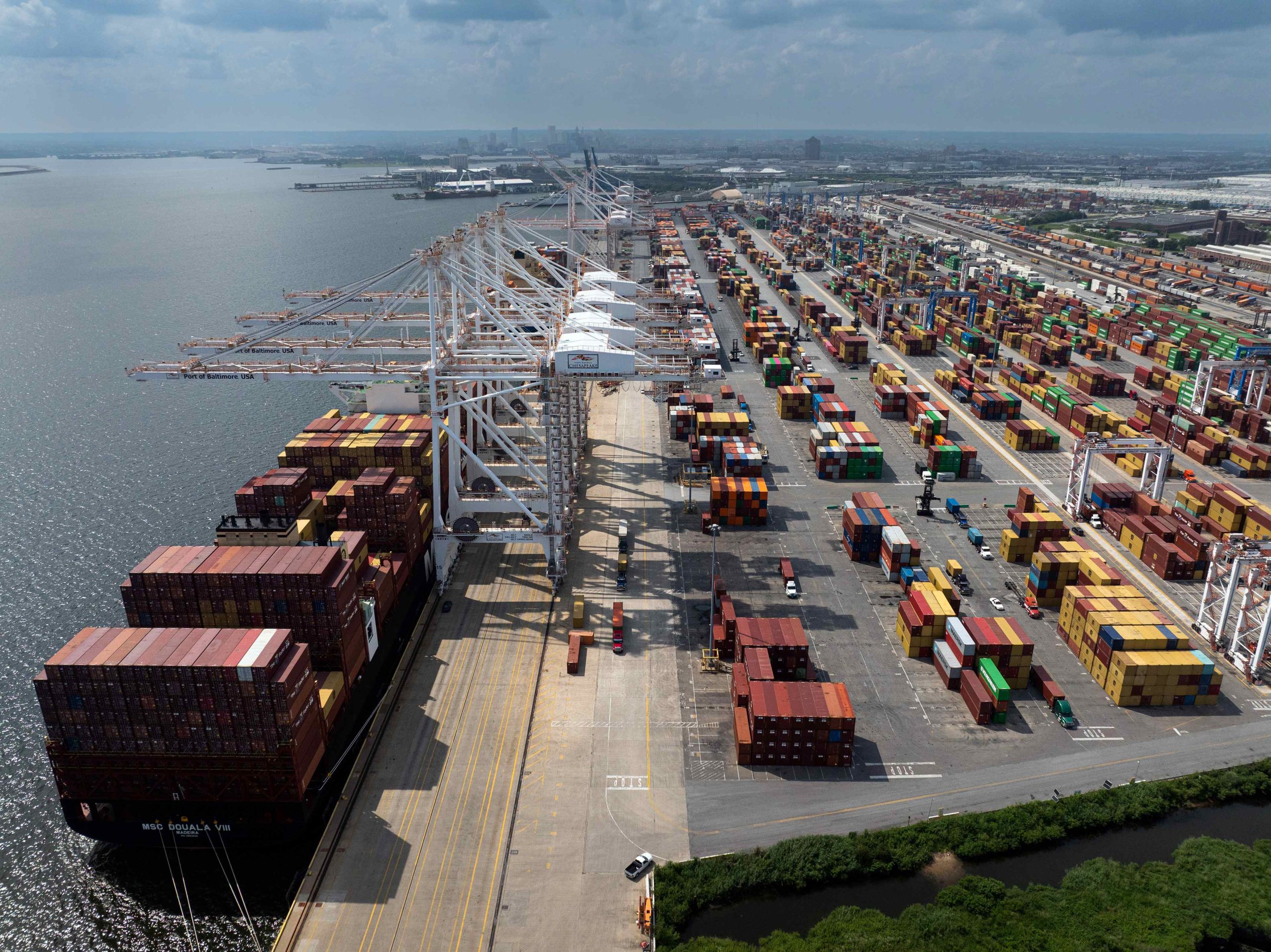
President Donald Trump implemented significant increases in import taxes last year, leading to a century-high level of tariffs in the United States. This move resulted in higher product prices and posed challenges for companies dependent on imported goods. However, the actual impact of these tariffs was less severe than initially anticipated, as revealed by a recent study conducted by economists from Harvard University and the University of Chicago.
The study found that the tariffs paid by importers were considerably lower than the rates announced by Trump. Various factors contributed to this discrepancy, such as exemptions for specific countries and industries, reduced tariffs for certain products until they reached the US, and non-compliance with regulations by some companies. Despite the nominal average US trade tariffs being 27.4% in September, the effective tariff rate was calculated to be 14.1% by the end of September.
Exemptions for products already in transit to the US when the tariffs were announced, as well as specific country exemptions, played a significant role in lowering the actual tariffs paid by companies. For instance, semiconductors and related items received exemptions, resulting in an effective tariff of 9% for these products. Additionally, countries like Canada and Mexico benefited from exemptions under the United States-Mexico-Canada agreement, reducing the impact of the tariffs on their exports.
Tariff evasion tactics, such as altering information on customs forms, further decreased the effective tariff rates paid by companies. Despite these measures, American businesses and consumers still bear the brunt of the tariffs, with the majority of the costs being passed on to US companies. The ongoing impact of tariffs on global trade and the economy remains a topic of interest for economists and policymakers.
In conclusion, while the implementation of higher tariffs by President Trump had significant implications for importers and businesses reliant on foreign goods, the actual impact was mitigated by various factors. The study sheds light on the complexities of tariff policies and their effects on trade dynamics, highlighting the need for continued analysis and monitoring of these measures.