Offshore Wind Energy Legal Battle: Ørsted vs. Trump Administration
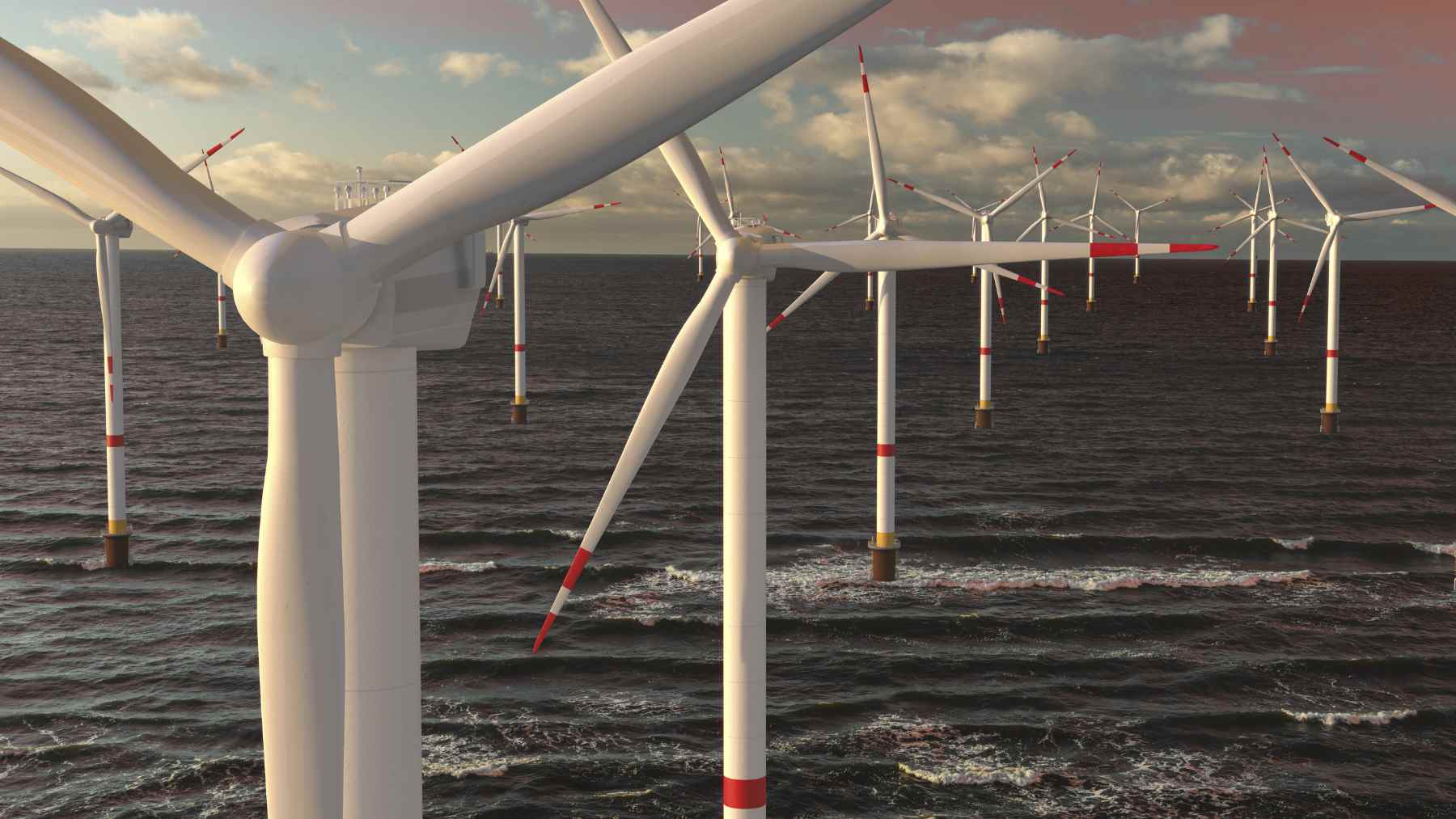
The conflict surrounding offshore wind energy projects in the United States has escalated into a legal battle, with Ørsted, a Danish energy company, at the center of the dispute. The Trump administration's order to halt work on five major offshore wind farms has led to Dominion Energy filing a federal lawsuit, while Ørsted is considering its next steps. This pause has put billions of dollars in clean energy projects and thousands of jobs on hold, impacting homes from Virginia to New England.
The US Department of the Interior issued a suspension of offshore leases for the five wind farms under construction along the East Coast, citing potential security concerns related to radar clutter caused by turbine blades and towers. This suspension affects projects like Vineyard Wind, Coastal Virginia Offshore Wind, Revolution Wind, Sunrise Wind, and Empire Wind 1, disrupting their progress and raising questions about the stability of regulatory rules.
Dominion Energy, the developer of the Coastal Virginia Offshore Wind project, challenged the stop-work order in court, arguing that it is arbitrary and violates federal laws governing offshore energy projects. The company is seeking legal remedies to continue construction on the project, which aims to provide power to hundreds of thousands of homes in Virginia.
Ørsted, involved in Revolution Wind and Sunrise Wind projects, is evaluating its options following the federal orders to suspend offshore work. The company is considering engaging with regulatory agencies and exploring legal avenues to resolve the matter swiftly. Revolution Wind, nearly complete, has filed a complaint seeking to block the lease suspension, emphasizing the substantial harm caused by the delay.
The offshore wind projects are crucial for coastal states, providing clean energy to homes and creating jobs in construction hubs and ports. The legal battle between developers and the government raises concerns about long-term power costs, climate goals, and economic impacts on local communities. While the Trump administration prioritizes national security, critics argue that the projects underwent extensive reviews and pose no new risks.
Ørsted faces a complex situation as it navigates legal challenges and negotiations to protect its investments and reassure stakeholders. The company's response to the suspension and potential legal actions reflects its commitment to resolving the dispute while upholding safety and environmental standards. The outcome of this legal battle will have significant implications for the future of offshore wind energy in the United States.