European Response to U.S. Interest in Greenland: Collaborative Strategy and Geopolitical Tensions
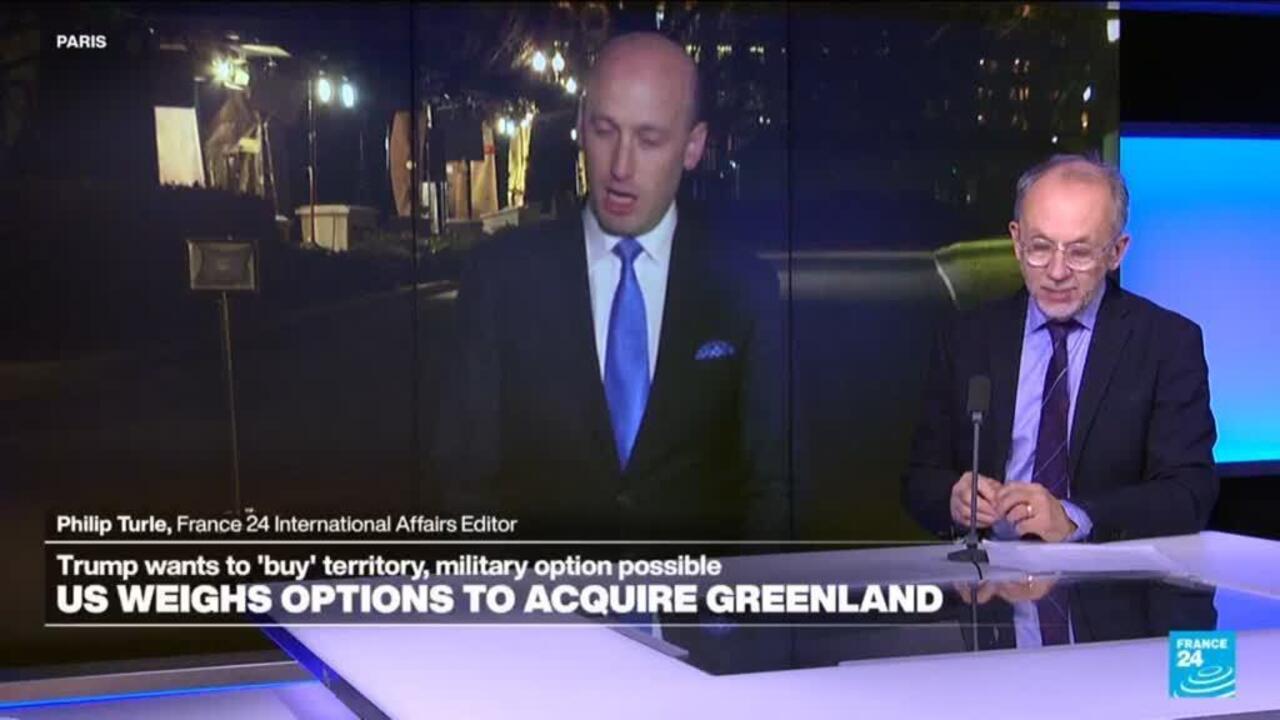
European governments, particularly France and Germany, are collaborating on a strategy to counter any potential U.S. takeover of Greenland, prompted by President Donald Trump's interest in the region. The prospect of a U.S. military seizure of Greenland from Denmark has raised concerns within the NATO alliance and strained relations between Trump and European leaders. French Foreign Minister Jean-Noel Barrot emphasized the importance of a unified European response during discussions with Germany and Poland. European leaders, along with Canada, have expressed solidarity with Greenland, asserting that the island belongs to its people and rejecting Trump's claims of its strategic significance for the U.S.
Trump's renewed interest in acquiring Greenland, initially proposed in 2019, has reignited tensions, with the U.S. administration considering various options, including military intervention. White House officials, including Press Secretary Karoline Leavitt and adviser Stephen Miller, have hinted at the possibility of military action, raising international concerns. Despite assertions by some U.S. officials that military intervention is not imminent, the situation remains volatile. Denmark and Greenland have called for dialogue and emphasized their sovereignty over the island, which plays a crucial role in U.S. military strategy and resource interests.
Greenland, though not an independent NATO member, is strategically positioned between Europe and North America, making it a key location for U.S. defence operations. The island's mineral resources and geopolitical significance have fueled U.S. ambitions to secure its control. However, Denmark's sovereignty over Greenland, as outlined in a 1951 agreement with the U.S., remains a point of contention. The U.S. Senate's NATO Observer Group has underscored the importance of respecting Denmark's territorial integrity and sovereignty, urging the U.S. to uphold its treaty obligations and refrain from coercive tactics.
Amid escalating tensions, conflicting narratives have emerged regarding Russian and Chinese activities near Greenland. Trump's claims of foreign vessels encroaching on Greenlandic waters have been refuted by Danish officials, who cite vessel tracking data showing no presence of Chinese or Russian ships in the region. The situation underscores the complex geopolitical dynamics at play in the Arctic region and the need for diplomatic dialogue to address competing interests. As European governments navigate the evolving situation, the focus remains on preserving stability and upholding international norms in the face of escalating tensions over Greenland.