Venezuelan Government Asserts Autonomy and Independence Amid Political Turmoil
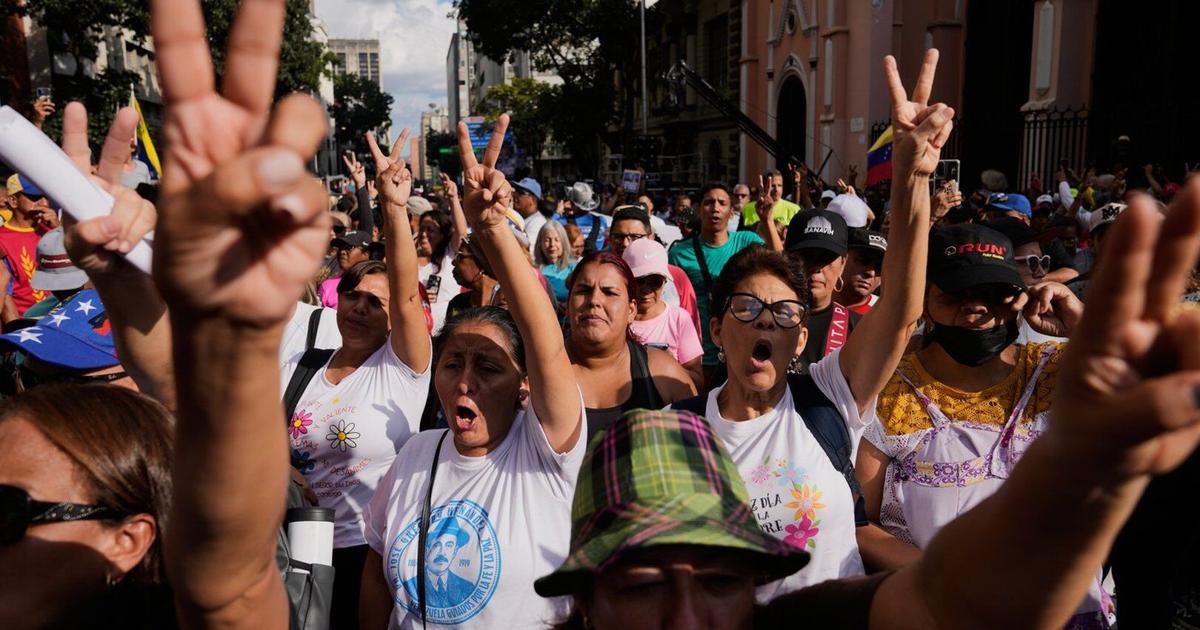
The Venezuelan government aimed to demonstrate its autonomy and independence from the United States after the arrest of Nicolás Maduro, the former authoritarian leader. Lawmakers from the ruling party, including Maduro's son, convened in Caracas for the National Assembly's swearing-in ceremony, extending their term until 2031. The assembly reelected its longstanding speaker, who is the brother of the newly appointed interim president, Delcy Rodríguez, and denounced Maduro's capture by U.S. forces.
The government's actions were intended to showcase its sovereignty and self-governance in the wake of Maduro's arrest. Lawmakers emphasized their commitment to upholding the country's independence and resisting external interference. The reappointment of key officials within the National Assembly underscored the ruling party's determination to maintain control and stability amid the political upheaval caused by Maduro's detention.
The National Assembly's reaffirmation of its leadership and allegiance to the ruling party signaled a unified front in response to the recent events. By reelecting familiar figures and denouncing external intervention, the government sought to reassure its citizens and the international community of its ability to govern effectively and independently. The assembly's actions reflected a strategic effort to consolidate power and legitimacy in the face of external pressures.
In conclusion, the Venezuelan government's response to Nicolás Maduro's arrest underscored its commitment to asserting its sovereignty and independence. Through the National Assembly's reaffirmation of leadership and condemnation of external interference, the ruling party aimed to demonstrate its resilience and determination to govern autonomously. The events in Caracas highlighted the government's efforts to maintain stability and control amidst political challenges, signaling a continued resolve to uphold the country's sovereignty.