Unpacking the U.S. Intervention in Venezuela: Motives, Justifications, and Political Ramifications
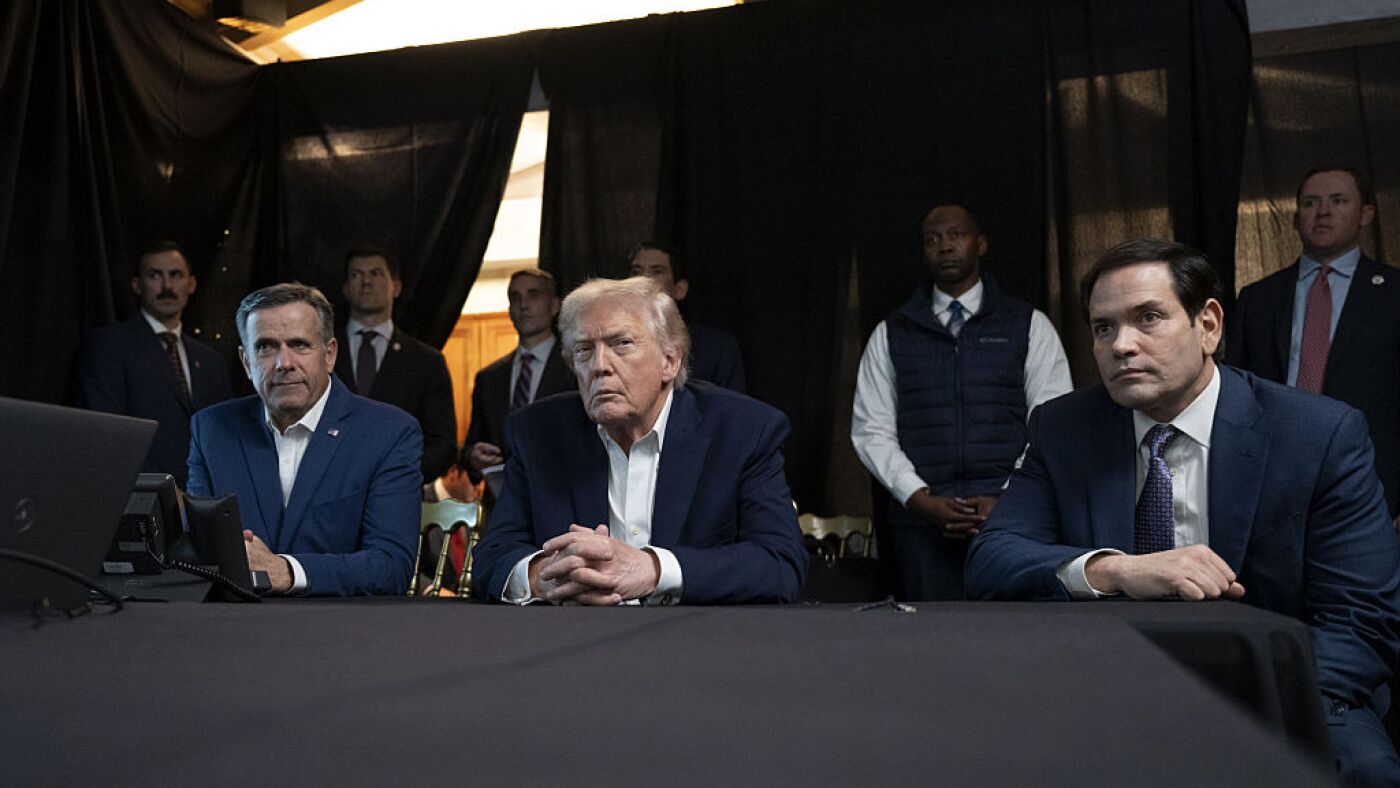
The recent events in Venezuela have left many Americans questioning the political implications and significance of the U.S. intervention in the country. President Trump's unexpected decision to conduct a daring raid in Venezuela, capturing President Nicolás Maduro and his wife, has raised eyebrows given his previous stance against American intervention. The move, which Trump described as necessary to ensure proper governance in Venezuela, has sparked debates about the motives behind the intervention and the administration's long-term goals for the country.
The justifications for removing Maduro have been varied, with oil emerging as a key motivator according to Trump. The administration's focus on oil production and investment in Venezuela has raised questions about the true intentions behind the intervention. Additionally, the emphasis on combating drug trafficking and the recovery of fugitives, such as Maduro, has been used to justify the military action. The shifting justifications for intervention echo past instances, such as the invasion of Iraq, where multiple reasons were given for military involvement.
Senator Marco Rubio's prominent role in the Venezuela operation highlights his increased influence with Trump and the administration's reliance on his expertise in Latin American affairs. Rubio's hawkish stance on foreign policy aligns with the administration's approach to Venezuela, showcasing his growing importance within Trump's inner circle. The collaboration between Rubio and Trump underscores the evolving dynamics within the administration and the shifting priorities in foreign policy decision-making.
The labeling of Maduro as a dictator by Trump raises questions about the administration's selective approach to authoritarian regimes. While Trump has criticized left-wing dictators like Maduro, he has maintained relationships with other authoritarian leaders, suggesting a political bias in his foreign policy decisions. The focus on Maduro's dictatorship and the intervention in Venezuela raise concerns about the consistency and coherence of the administration's approach to global governance.
Despite the contradictions between Trump's campaign rhetoric and his actions in Venezuela, his base is unlikely to abandon him. The strong support for Trump among his followers, coupled with the conservative media's defense of his decisions, indicates a continued loyalty to the president. The partisan divide over the intervention in Venezuela reflects broader ideological differences within the Republican Party and the challenges of reconciling Trump's foreign policy with traditional conservative values.
Democrats face a delicate balancing act in responding to the intervention in Venezuela, as they navigate the legal and political implications of the administration's actions. While focusing on the legality of the intervention is important, Democrats must also address the broader economic concerns of voters and highlight the potential consequences of military involvement abroad. The political fallout from the intervention will depend on how Democrats frame their response and engage with the public on the complex issues at stake.
The aftermath of the intervention in Venezuela will be a critical test of the administration's foreign policy strategy and Trump's leadership in his second term. The lack of a clear plan for the country's future and the uncertainty surrounding the administration's goals raise concerns about the long-term implications of the intervention. As Trump seeks to maintain relevance and deflect attention from other political challenges, the success or failure of the Venezuela operation will shape the narrative of his presidency and the legacy of his foreign policy decisions.