Title: Corruption Charges Against Nadiem Makarim: Alleged Irregularities in Laptop Procurement during Pandemic
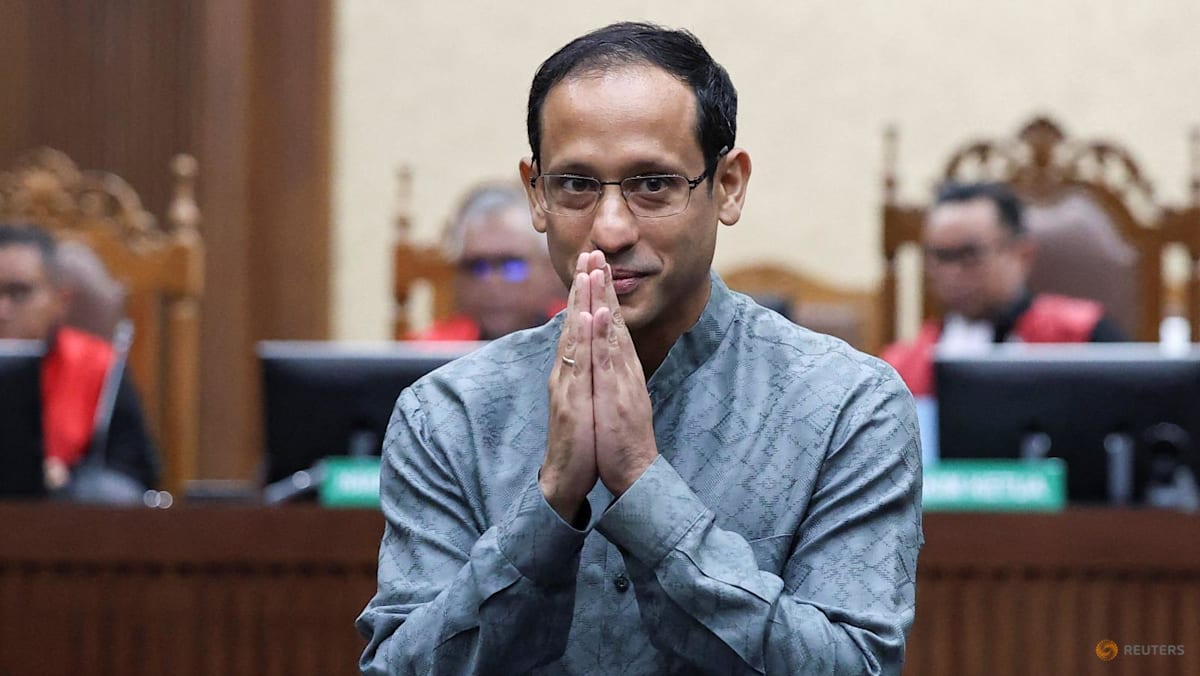
Indonesian prosecutors have brought corruption charges against Nadiem Makarim, the former education minister and co-founder of Gojek, for alleged irregularities in laptop procurement during the pandemic, resulting in significant state losses. Makarim is accused of benefiting financially from the procurement of Chromebook laptops and Chrome OS for schools, with prosecutors claiming that he tailored tender specifications to favor Google's education ecosystem in Indonesia. The charges against Makarim could lead to a maximum prison sentence of 20 years, but he has denied any wrongdoing, stating that the evidence presented by the prosecutors is weak.
Makarim's lawyer has indicated that they will seek to have the charges dismissed. The investigation into the case also involved the arrest of several high-ranking officials at the ministry. The procurement of Chromebook laptops, despite concerns about their compatibility with Indonesia's internet infrastructure, proceeded after Makarim allegedly met with Google representatives in 2020. Prosecutors highlighted Google's additional investment in Gojek's parent company around the same time, suggesting a potential conflict of interest.
The prosecutors claim that Makarim's wealth increased significantly due to funds from Google's investment in the parent company, leading to allegations of improper enrichment. The tender process for the laptop procurement is said to have benefited multiple companies, according to the charge sheet. The case underscores the importance of transparency and accountability in government procurement processes, especially in sensitive sectors like education.
In conclusion, the corruption charges against Nadiem Makarim highlight the challenges of ensuring integrity in public procurement and the potential consequences of conflicts of interest. The case serves as a reminder of the importance of ethical conduct and accountability in government officials' actions to safeguard public resources and trust.