Proposed Drinking Water Limit for Perchlorate: EPA Takes Action to Protect Public Health
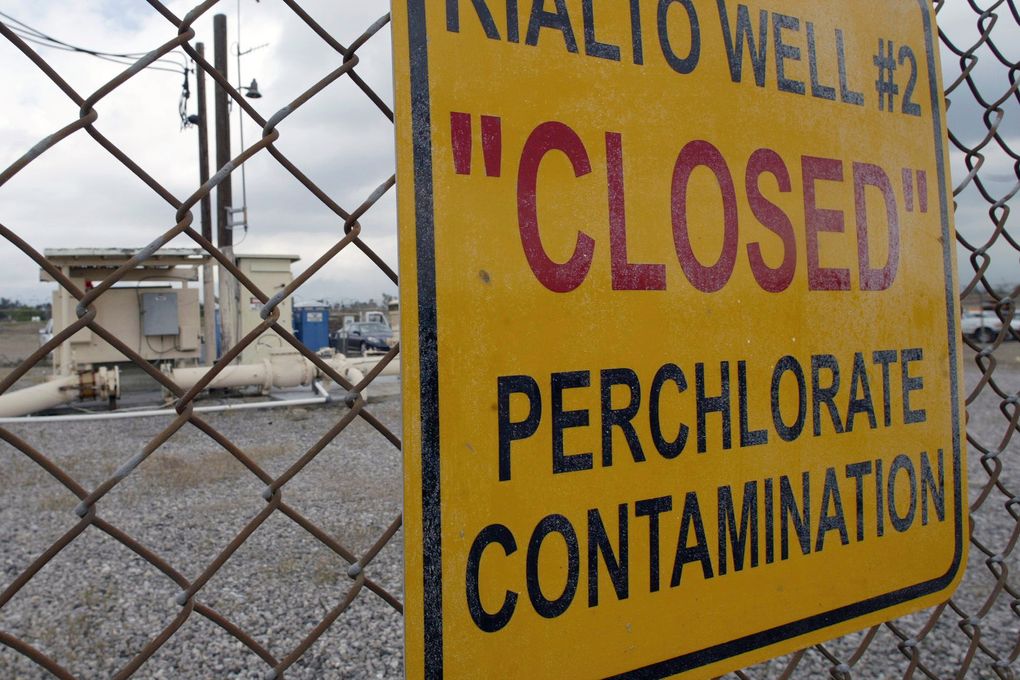
The Environmental Protection Agency (EPA) announced its intention to propose a drinking water limit for perchlorate, a harmful chemical found in rockets and explosives. The EPA stated that the regulation was being pursued due to a court order, as it believed the public health benefits would not outweigh the costs. Perchlorate poses a particular risk to infants and can impact thyroid function, especially in young children, affecting their cognitive development and behavior.
Perchlorate is commonly used in the production of rockets, fireworks, and explosives, but can also occur naturally. It has been found in groundwater near defense, aerospace, and manufacturing sites, primarily in the Southwest and along parts of the East Coast. The EPA estimated that around 16 million people could be exposed to perchlorate in their drinking water, prompting the need for regulation under the Safe Drinking Water Act.
Despite the EPA's previous delays in proposing regulations for perchlorate, a federal appeals court mandated the agency to take action. The EPA's latest proposal includes seeking input on setting limits for perchlorate in drinking water, with options ranging from 20 to 80 parts per billion. The agency acknowledged that only a small percentage of water systems would likely exceed the proposed limits, but emphasized the importance of addressing the issue where it exists.
The Natural Resources Defense Council (NRDC) has been advocating for stricter regulations on perchlorate, arguing that it remains a significant public health threat. The NRDC welcomed the EPA's move towards proposing a regulation for perchlorate, emphasizing the importance of transparency and public awareness regarding contaminants in drinking water. EPA Administrator Lee Zeldin has faced criticism for his environmental policy rollbacks but has maintained a more moderate approach to drinking water regulations.
In conclusion, the EPA's proposal to set a drinking water limit for perchlorate reflects ongoing efforts to address potential health risks associated with this harmful chemical. The agency's decision to seek public input on the proposed limits demonstrates a commitment to ensuring safe drinking water for all Americans.