Inside the Mind of Nicolás Maduro: A Hostage Negotiator's Perspective
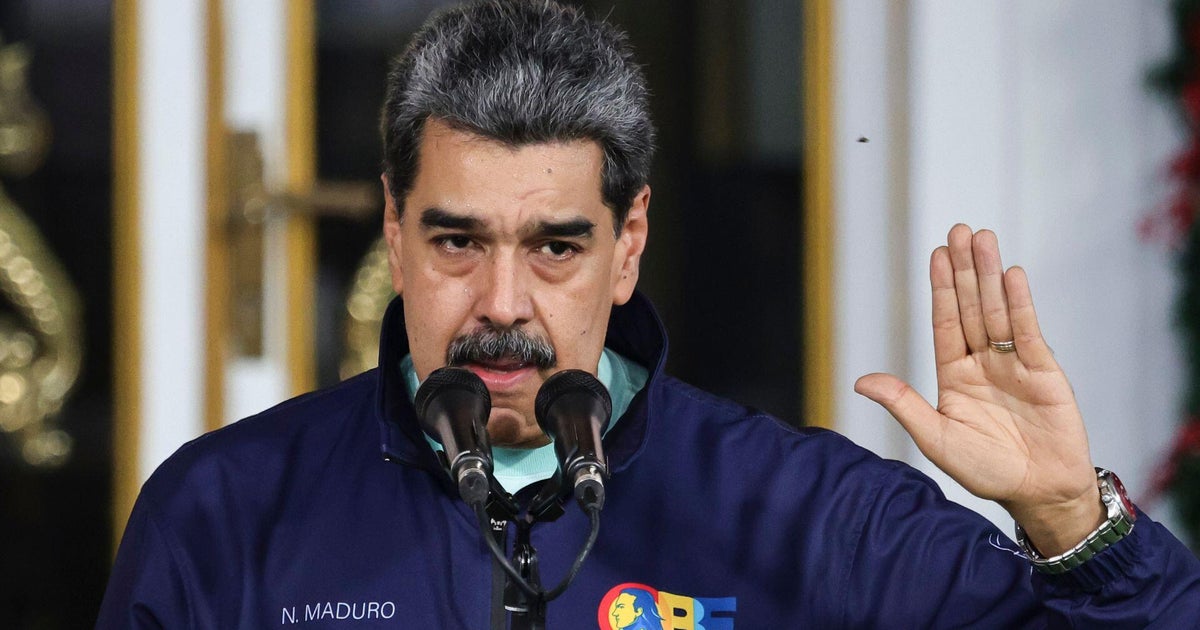
Roger Carstens, a prominent American official who served as the top hostage negotiator in both the Trump and Biden administrations, has had numerous face-to-face interactions with Venezuelan President Nicolás Maduro. Carstens successfully secured the release of 65 Americans who were unjustly detained in various countries, including Venezuela. Recently, U.S. forces apprehended Maduro and his wife, who are currently detained in New York on drug trafficking charges. Carstens' interactions with Maduro provided insight into the Venezuelan leader's personality and motivations, challenging the portrayal of Maduro as a bloodthirsty drug dealer.
Carstens emphasized the importance of building a human relationship with Maduro to facilitate the release of American hostages. Despite acknowledging the crimes committed by the Venezuelan regime, Carstens did not perceive Maduro as a ruthless individual but rather as a practical leader seeking solutions for his country's challenges. The capture of Maduro did not come as a surprise to Carstens, given the escalating military and diplomatic tensions leading up to the operation.
The indictment against Maduro, accusing him of involvement in a narco-terrorism conspiracy, sheds light on his alleged role in facilitating drug trafficking activities within Venezuela. Sandy Gonzalez, a former DEA investigator, highlighted the extensive investigation that implicated high-ranking Venezuelan officials, including Maduro, in drug trafficking operations. The evidence suggests that Maduro was not merely turning a blind eye to drug trafficking but actively enriching himself through illicit activities.
Maduro's authoritarian rule in Venezuela, marked by political repression and economic turmoil, has drawn international scrutiny. The U.S. Department of Justice's indictment underscores the gravity of the allegations against Maduro and his complicity in drug-related crimes. Despite Maduro's removal from power, the presence of other individuals involved in drug trafficking within the Venezuelan government poses ongoing challenges for addressing the drug conspiracy.
The plight of remaining Americans held in Venezuelan prisons underscores the complex dynamics of hostage negotiations and diplomatic relations. Carstens revealed that Americans detained in Venezuela were used as leverage by Maduro in negotiations with the U.S. government. While the recent military operation targeted Maduro, the fate of the remaining American prisoners remains uncertain, highlighting the complexities of hostage rescue missions.
The transition of power in Venezuela following Maduro's capture raises questions about the country's future leadership and governance. The U.S. government's engagement with Maduro's loyal vice president, Delcy Rodriguez, signals a potential shift in Venezuela's political landscape. However, concerns about the continuity of repressive state institutions and the need for a democratic transition underscore the challenges ahead for Venezuela.
Senator Mark Kelly expressed concerns about the implications of Maduro's removal for U.S. national security and the stability of Venezuela. The lack of clarity regarding the U.S. government's long-term strategy in Venezuela raises questions about the objectives and motives behind the intervention. The focus on combating drug trafficking and holding Maduro accountable for his alleged crimes underscores the administration's commitment to addressing transnational criminal activities.
In conclusion, the capture of Nicolás Maduro represents a significant development in the ongoing efforts to combat drug trafficking and hold accountable those involved in illicit activities. The complexities of negotiating with authoritarian regimes and navigating geopolitical challenges underscore the importance of strategic decision-making and diplomatic engagement in addressing global security threats. The future of Venezuela hinges on the establishment of a democratic governance framework and the promotion of human rights and rule of law.