Venezuela's Oil Industry: Nationalization, Decline, and Geopolitical Challenges
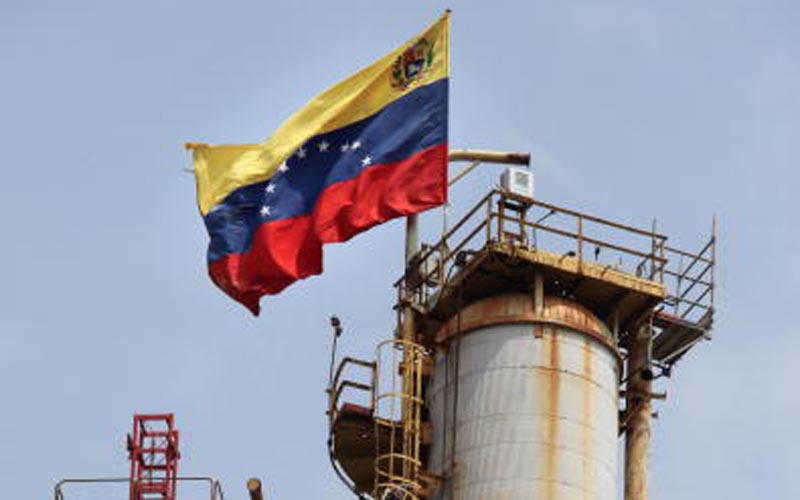
Venezuela's oil industry was nationalized in 1976 under President Carlos Andres Perez. The United States recently intervened in Venezuela, deposing President Nicolas Maduro, according to President Donald Trump. Venezuela holds the world's largest oil reserves, but its production has been hindered by mismanagement, lack of investment, and sanctions. The country's reserves are mainly heavy oil located in Orinoco, making production expensive but technically straightforward.
Venezuela was a founding member of OPEC and used to produce over 3.5 million barrels per day in the 1970s. However, production has declined over the years, averaging around 1.1 million barrels per day in 2025. If there is a regime change in Venezuela, it could lead to increased oil production over time, but the recovery process would take time. The nationalization of Venezuela's oil industry in the 1970s led to the creation of PDVSA, which later formed partnerships with international companies to boost production.
The United States was once the main buyer of Venezuelan oil, but China has become the primary destination in recent years due to sanctions. Export activities have halted since the US imposed a blockade on Venezuelan vessels in December 2025. PDVSA also owns refining assets abroad, including CITGO in the US, which has faced legal battles with creditors seeking control. The future of Venezuela's oil industry remains uncertain, with potential changes in production and export dynamics depending on geopolitical developments.