U.S. Intervention in the Caribbean Basin: A History of Influence and Consequences
The United States has a long history of intervention in the Caribbean basin, dating back to the Monroe Doctrine of 1823. This intervention has been driven by a desire to protect U.S. interests and counter communism. President Theodore Roosevelt's "Big Stick" approach in the 20th century further solidified the U.S. role as a regional policeman, using military force to advance its interests.
During the Cold War, U.S. intervention in the region was primarily covert, but in the 1980s, it became more overt. The U.S. policy of strategic denial aimed to deter non-American actors, such as Europeans in the 1800s and the Soviet Union after World War II, from interfering in the region. This policy was justified through the logic of the Monroe Doctrine, which aimed to eradicate foreign ideologies like communism from the Americas.
Several interventions in the region have had significant consequences. In 1954, the U.S. supported a military coup in Guatemala to undermine President Jacobo Árbenz's land reform program. The overthrow of Árbenz led to the rise of repressive right-wing governments in the region, setting a precedent for similar actions in countries like Chile.
The Bay of Pigs invasion in 1961, approved by President John F. Kennedy, aimed to overthrow Cuban leader Fidel Castro but ended in disaster. The invasion's failure led to the Cuban Missile Crisis in 1962, bringing the U.S. and the Soviet Union to the brink of nuclear war. The long-term consequences included a misguided embargo that strengthened Cuba's ties with the Soviet Union and Russia.
In 1983, the U.S. intervened in Grenada to address regional security concerns and protect U.S. medical students. The operation, known as Operation Urgent Fury, led to the installation of a provisional government and stable democratic governance in Grenada, setting it apart from its Caribbean neighbors.
The U.S. involvement in Nicaragua saw support for the Contras to oppose the Sandinista government. Despite covert aid and the Iran-Contra scandal, the Sandinistas remained in power until losing in the 1990 elections to Violeta Chamorro. The Sandinistas' subsequent electoral victories under Daniel Ortega marked a shift away from Marxism, leading to his current presidency alongside Rosario Murillo.
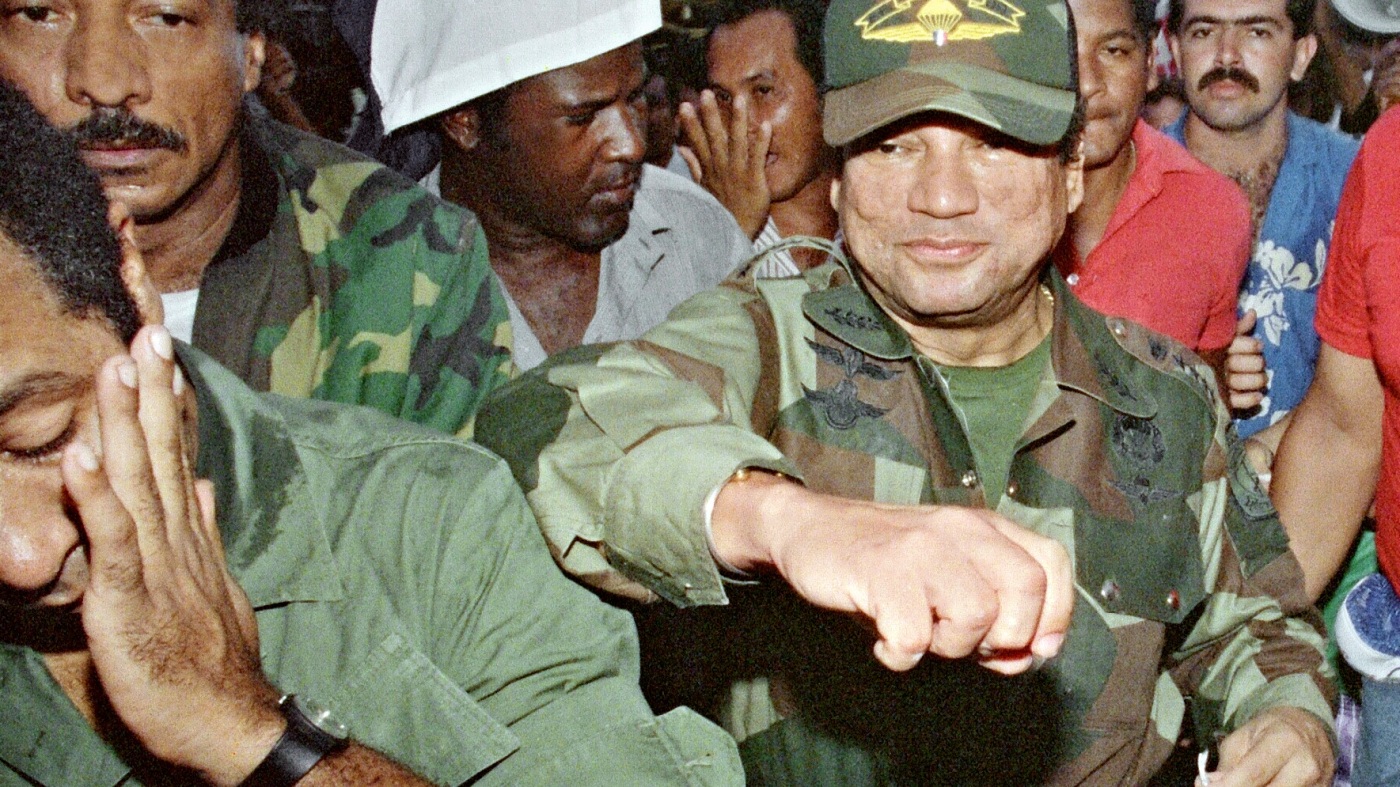
In Panama, the U.S. initially supported Gen. Manuel Noriega but later turned against him due to his drug trafficking ties. President George H.W. Bush launched Operation Just Cause in 1989 to overthrow Noriega, leading to Panama's stable democracy and economic growth post-intervention.
Overall, U.S. interventions in the Caribbean basin have had mixed outcomes, with some leading to stable governance and economic success, while others resulted in repressive regimes and unintended consequences. The region's history reflects the complex interplay between U.S. interests, regional dynamics, and the legacy of interventionism.