Unveiling the Epstein Files: The Truth Behind the Conspiracy Theories
The 2024 election saw President Trump making a promise to release the Epstein files, claiming that powerful individuals were concealing the truth from the public. However, as of early 2026, many now believe that Trump himself is among those powerful figures keeping information hidden. Following the Justice Department's failure to meet a legal deadline for releasing files on Jeffrey Epstein, new conspiracy theories have emerged, shedding light on the late financier's connections to influential figures. The recent release of approximately 40,000 pages of information, including unvetted tips and a decade-old FBI complaint, has sparked criticism from both supporters and opponents of the president due to the lack of organization and context in the documents.
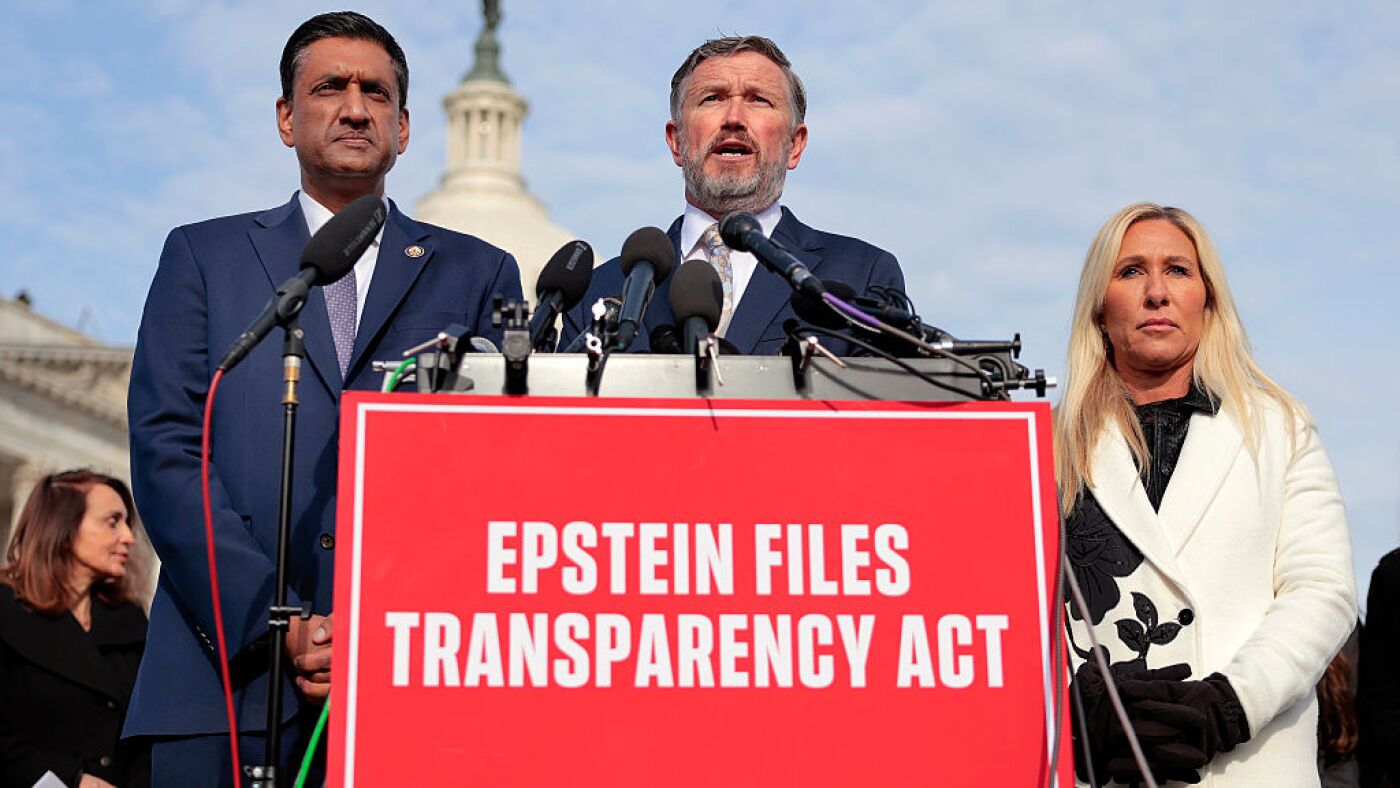
The Justice Department is facing challenges in reviewing the remaining files, which could number over a million, along with terabytes of data seized from Epstein's devices and estate. Deputy Attorney General Todd Blanche emphasized the administration's commitment to transparency and protecting victims, despite the delays in the document review process. While a bipartisan group of lawmakers has threatened action against the Justice Department for non-compliance with the Epstein Files Transparency Act, the law itself lacks penalties for enforcement. The release of the Epstein files has become a focal point in the political landscape, reflecting a turbulent year for the administration and raising questions about Trump's handling of the situation.
The Epstein Files Transparency Act, passed in 2025, mandated the disclosure of all unclassified records related to Epstein in the possession of the Justice Department. The law allowed for limited exemptions for redacting sensitive information and outlined criteria for withholding classified details. Unlike previous laws governing the release of investigative files, the Epstein law did not provide additional funding for the Justice Department to complete the review process. The public availability of documents sheds light on Epstein's extensive network of connections across various industries, including politics, academia, and business, revealing communications with influential figures even after his sex offender registration.
The release of the Epstein files has brought to light new information about Epstein's associations and activities, including his interactions with prominent individuals and his obsession with Trump's presidency. While some documents mention possible co-conspirators, such as Ghislaine Maxwell, many names remain redacted. The challenges faced by federal prosecutors in organizing and processing the vast amount of evidence collected in the investigation have been detailed in the released files. However, the Justice Department has not disclosed the total number of remaining files or the accuracy of the information to be released.
The ongoing release of investigative files has sparked controversy and fueled conspiracy theories surrounding Epstein, Trump, and other public figures. Unverified claims and forged documents have surfaced in the released files, prompting the Justice Department to caution against assuming the accuracy of all information. The political implications of the Epstein saga continue to unfold, with Trump and his allies facing scrutiny over their handling of the situation. As Congress considers potential actions to compel the Justice Department to expedite the release of files, the fallout from the Epstein saga is expected to impact the upcoming midterm elections in 2026.