Exploring the Potential Interview Between Joe Rogan and Kamala Harris: A Debate on Long-Form Conversations and Political Discourse
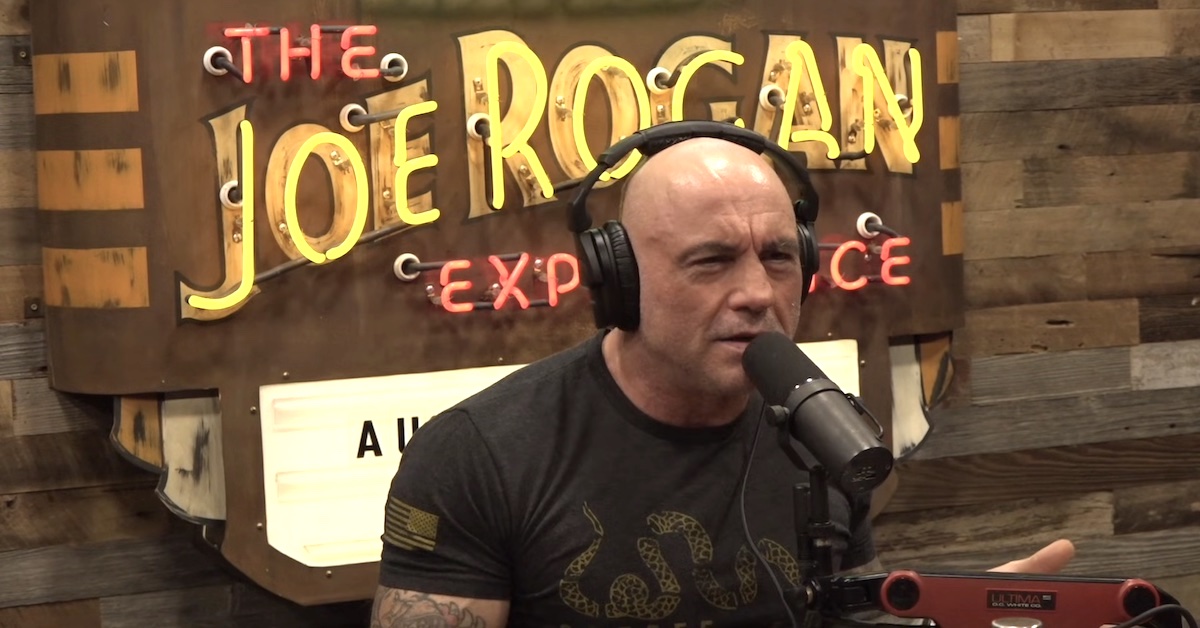
Joe Rogan recently discussed his three-hour interview with former President Donald Trump on The Joe Rogan Experience podcast. Comedian James McCann joined Rogan on the show and expressed doubts about Vice President Kamala Harris being able to handle such a lengthy interview. Rogan defended Harris, stating that she could have done it if given the opportunity.
During the conversation, Rogan highlighted the differences between short late-night show appearances, like Harris's on Stephen Colbert, and long-form interviews like the one he conducted with Trump. He emphasized the importance of having the time to delve into complex topics and ask personal questions, which may not be possible in shorter formats.
Rogan expressed his interest in discussing various issues with Harris, including the influence of money in politics and the challenges of being vice president. He believed that a longer interview would have allowed for a more in-depth conversation on these topics and provided a better understanding of Harris's perspectives and experiences.
Both Rogan and Harris have shared their versions of why an interview between them never materialized. Rogan claimed that logistical issues and restrictions on topics prevented the interview from happening, while Harris mentioned scheduling conflicts and location preferences as contributing factors.
Despite the missed opportunity for an interview, both Rogan and Harris acknowledged the importance of reaching diverse audiences and engaging in meaningful conversations. While their paths did not cross for an interview, the discussion surrounding the potential interview shed light on the value of open dialogue and communication in today's political landscape.
In conclusion, the debate over a possible interview between Joe Rogan and Kamala Harris highlighted the challenges and opportunities of engaging in long-form conversations on important issues. While differing perspectives and logistical constraints may have prevented the interview from happening, the discussion underscored the importance of open dialogue and communication in fostering understanding and connection among diverse audiences.