Exploring the Newly Public Domain: Betty Boop, Blondie, and More Classic Characters
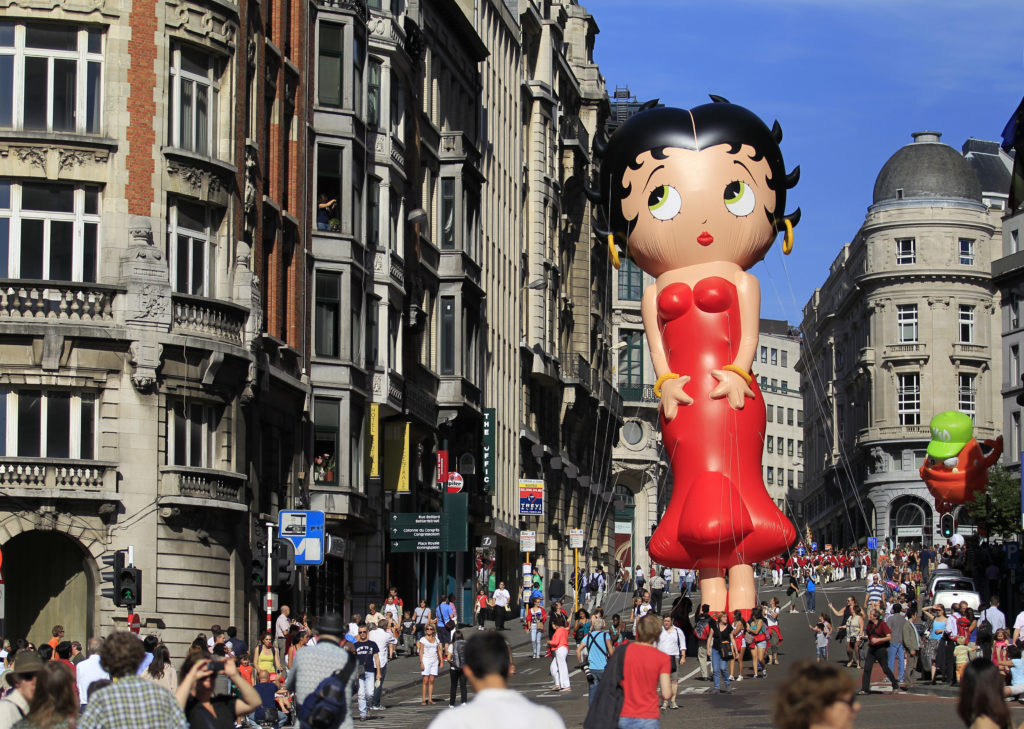
Betty Boop and "Blondie" are among the classic cartoon and comic characters that have entered the public domain on Jan. 1 due to the expiration of their 95-year U.S. copyright. This means that creators can now freely use and repurpose these iconic characters without needing permission or making any payments. The 2026 batch of newly public domain works may not have the same level of recognition as Mickey Mouse or Winnie the Pooh, but it still represents a significant milestone for advocates of expanding the public domain.
Betty Boop, originally depicted as a dog in her first appearance in the 1930 short "Dizzy Dishes," quickly evolved into the Jazz Age flapper character that we know today. She was designed and owned by Fleischer Studios and released by Paramount Pictures. The character was inspired by singer Helen Kane, known as the "Boop-Oop-a-Doop Girl." Artists are now free to use the earliest version of Betty Boop in their works, but the trademark of the character remains with Fleischer Productions.
Blondie Boopadoop, the central character of Chic Young's newspaper comic strip that debuted in 1930, is another iconic figure entering the public domain this year. The strip follows Blondie's carefree adventures with her boyfriend, Dagwood Bumstead, and has been running in newspapers for decades. The strip would later transition into a sandwich-heavy domestic comedy featuring Dagwood as a prominent character.
In addition to Betty Boop and Blondie, other works entering the public domain this year include nine new Mickey Mouse cartoons, the first Nancy Drew books, the debut of Sam Spade in Dashiell Hammett's "The Maltese Falcon," and the introduction of Miss Marple in Agatha Christie's "Murder at the Vicarage." These works, along with iconic films like "The Blue Angel" and "King of Jazz," offer a glimpse into the cultural landscape of the early 20th century.
The public domain will continue to expand in the coming years, with Hollywood Golden Age films and classic songs from the Great American Songbook set to enter the public domain. The next decade promises a wealth of new creative opportunities for artists and creators to explore and reimagine these timeless works. The public domain offers a treasure trove of cultural heritage that can inspire new generations of artists and audiences alike.