Advancing Gender Equality in Japanese Politics: The Call for More Female Toilets in Parliament
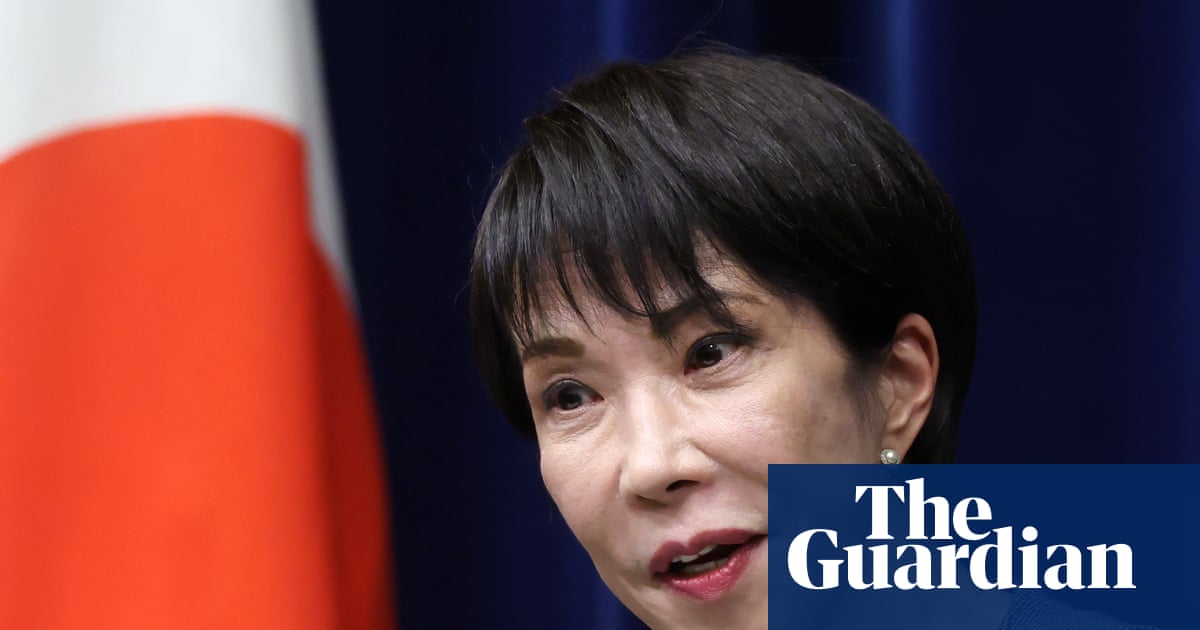
Female lawmakers in Japan, led by Prime Minister Sanae Takaichi, have submitted a petition requesting more toilets for women in the parliament building to align with the growing number of female representatives. Despite progress, Japanese politics remains predominantly male-dominated, with limited restroom facilities for women in the parliament building. The petition, signed by 58 women lawmakers, highlights the need for improved infrastructure to accommodate the increasing female representation in politics.
The current parliament building, constructed in 1936, lacks adequate restroom facilities for women, with only one lavatory containing two cubicles for the 73 female members of the lower house. This shortage of toilets has led to long queues and inconvenience for women lawmakers, emphasizing the need for more gender-inclusive facilities in the parliament building. The petition aims to address this disparity and promote gender equality in the political sphere.
Japan's ranking of 118 out of 148 in the World Economic Forum's global gender gap report underscores the challenges faced by women in various sectors, including politics, business, and media. Female candidates often encounter sexist remarks and stereotypes during elections, hindering their participation and representation in decision-making roles. The government's target of having women occupy at least 30% of legislative seats reflects efforts to enhance gender diversity and inclusivity in politics.
Prime Minister Takaichi, Japan's first female prime minister, has expressed her commitment to promoting women's health issues and raising awareness about gender equality. Despite her advocacy for women's rights, Takaichi's conservative views on certain social issues, such as maintaining male-only succession in the imperial family, have sparked debates on gender equality and traditional norms. The call for more female toilets in the parliament building symbolizes the progress made in increasing female representation while highlighting the ongoing challenges of achieving gender equality in Japan.
The petition submitted by female lawmakers underscores the importance of addressing gender disparities and promoting inclusivity in political institutions. As Japan strives to enhance gender equality and empower women in decision-making roles, the need for adequate facilities, such as toilets, reflects broader efforts to create a more equitable and inclusive society. By advocating for improved infrastructure and representation, female lawmakers are driving positive change and advancing the cause of gender equality in Japan.