The Controversial Reign of Robert F. Kennedy Jr.: A Threat to Public Health Policy in the United States
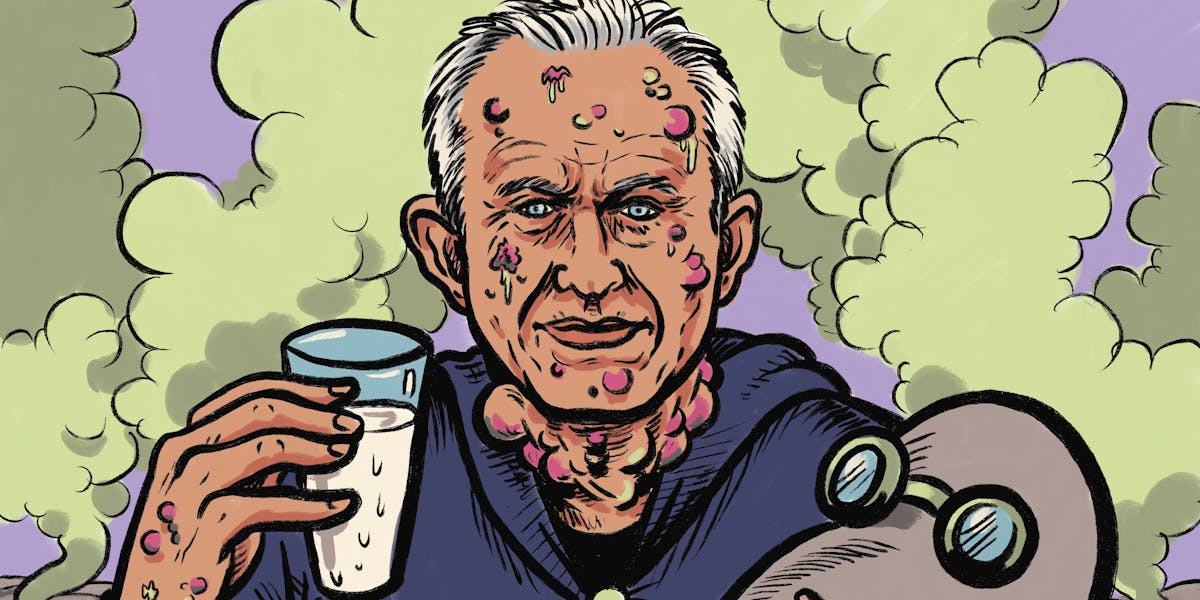
Robert F. Kennedy Jr.'s controversial rise to power in the realm of public health policy has had significant negative consequences for the United States. Despite lacking experience in medicine, public health, or government, Kennedy has become a prominent figure in disease management, promoting debunked conspiracy theories and implementing drastic changes within the Department of Health and Human Services. His actions have led to the resurgence of eradicated diseases, loss of health coverage for Medicaid recipients, and a substantial reduction in agency staff.
Kennedy's unconventional path to power was marked by questionable behavior and allegations, including accusations of sexual abuse and spreading misinformation about vaccines. Despite his family's reservations about his qualifications, Kennedy managed to secure a position at the highest levels of government, where he has continued to promote anti-vaccine sentiments and conspiracy theories.
His skepticism towards vaccines, particularly the mRNA technology used in the development of Covid-19 vaccines, has raised concerns among public health experts. Kennedy's unfounded claims about the pandemic being planned and vaccines being part of a sinister agenda have influenced his decisions as a public health official, leading to the removal of medical experts from advisory panels and cuts to vaccine development funds.
Kennedy's controversial actions have shifted the focus of the Department of Health and Human Services away from evidence-based science and towards fear-mongering and potential financial gain. His refusal to commit to avoiding financial conflicts of interest during his confirmation hearings has raised further doubts about his motives and priorities as a health secretary. The impact of Kennedy's decisions on public health and vaccine access remains a cause for concern, as his actions could have far-reaching consequences for the health and well-being of the American population.