Central African Republic Elections: Challenges and Prospects for Stability
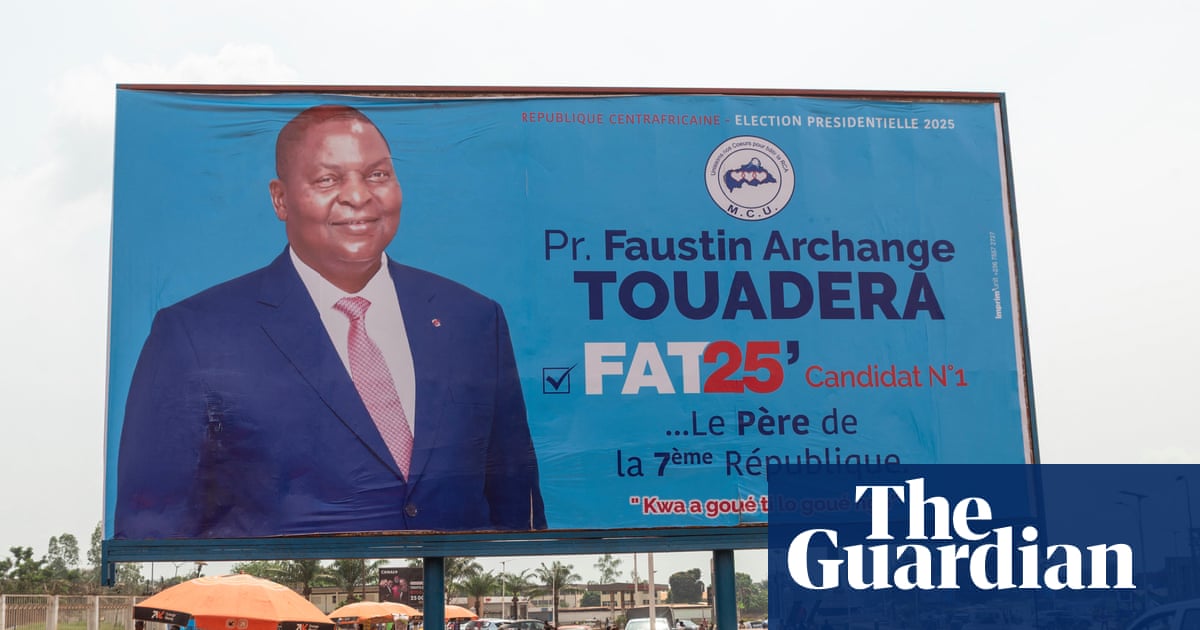
The Central African Republic is gearing up for elections, with President Faustin-Archange Touadéra vying for a third term. Over 2.3 million registered voters will participate in what is being termed a quadruple election, encompassing votes for the presidency, parliament, local, and municipal offices. Seven candidates, including former prime ministers Anicet Georges Dologuélé and Henri-Marie Dondra, are in the running for the presidency, with Dologuélé being the runner-up in the previous two elections.
The opposition aims to address the frustrations of the populace living in a country plagued by ongoing conflict, with over half a million internally displaced individuals and an equal number of refugees in neighboring nations. Despite the challenges, Touadéra, a former mathematics professor turned statesman, is expected to secure another term in office. His tenure has seen efforts towards peace, including a recent peace accord with major rebel groups, signaling progress in stabilizing the country.
While there are hopes for peace consolidation, concerns linger over potential disruptions to the election process due to supply-chain issues and violence, particularly in rural areas. The UN peacekeeping mission Minusca is providing security and logistical support to address the state's infrastructure limitations. However, electoral irregularities, such as the online-only publication of voter lists, have raised concerns about disenfranchisement and the integrity of the electoral process.
There are apprehensions about the implications of another Touadéra term, especially following a constitutional referendum in 2023 that eliminated term limits and extended presidential mandates. Touadéra's reliance on the Russian mercenary firm Wagner for security, along with Rwanda's involvement in smaller business ventures in CAR, has drawn attention. Allegations of government actions favoring foreign interests, such as evicting soldiers for Rwandan troops' benefit, have sparked criticism and raised questions about the country's future direction.
In conclusion, the upcoming elections in the Central African Republic are crucial for the country's political landscape and stability. While Touadéra seeks to continue his leadership, challenges persist in ensuring a fair and transparent electoral process that reflects the will of the people. The outcome of the elections will shape the country's trajectory and its relations with external actors, highlighting the importance of a peaceful and inclusive democratic transition.