2026 Cosmic Calendar: Moon, Sun, and Space Events to Watch Out For
In 2026, the moon and sun will take center stage in the cosmic calendar. The year will kick off with the moon attracting astronauts and robotic lunar landers, including Jeff Bezos' Blue Moon. A supermoon is expected on Jan. 3, followed by an astronomical blue moon in May. The sun will also make headlines with a ring-of-fire eclipse in February and a total solar eclipse in August. More auroras are anticipated in unusual locations, although not as frequently as in recent years. The comet 3I/Atlas, a visitor from another star, is fading after passing Earth in December and will swing by Jupiter in March before leaving the solar system.
NASA's upcoming moonshot mission will explore the lunar far side, providing valuable insights for future landing sites. The crew will not conduct a moonwalk, leaving that task to the next crew in NASA's Artemis program. China and U.S. companies are planning additional robotic moon landings, with Blue Origin launching a prototype lunar lander and other companies targeting scientific missions. China aims to explore the south polar region with a rover and hopper to search for ice.
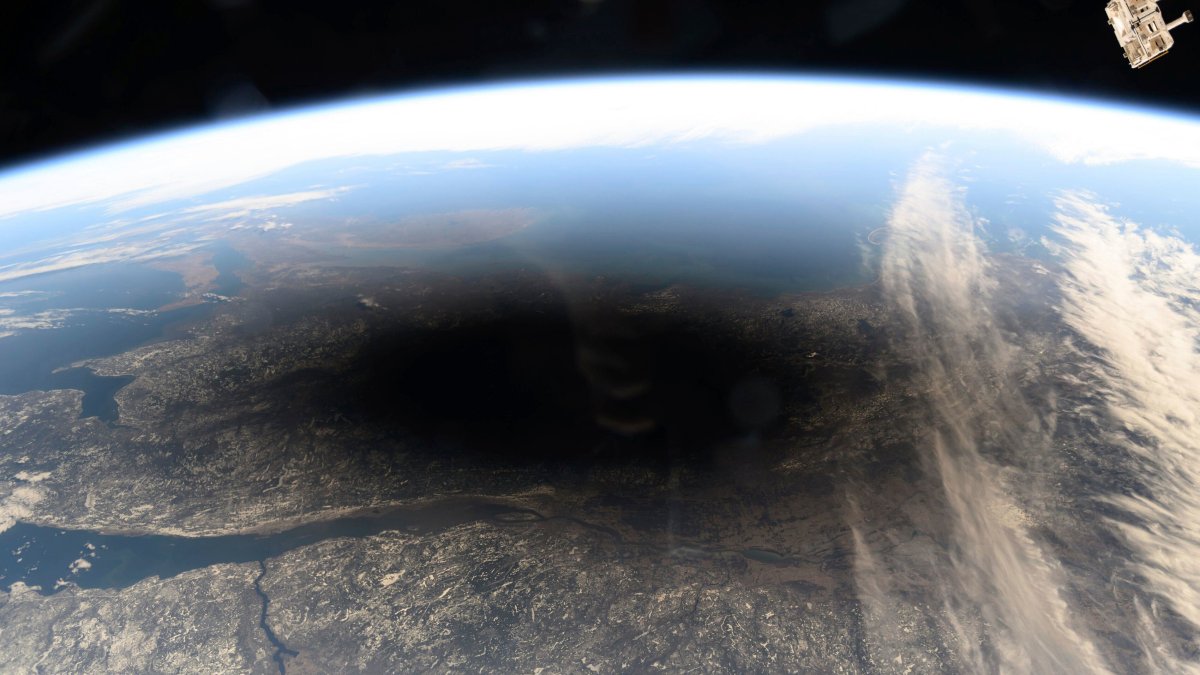
A total solar eclipse on Aug. 12 will be a highlight of 2026, crossing over the Arctic, Greenland, Iceland, and Spain. The eclipse will last two minutes and 18 seconds, with a longer total solar eclipse expected in 2027. A ring-of-fire eclipse in the Antarctic in February and a total lunar eclipse in August will precede the total solar eclipse. Six planets will align in the sky on Feb. 28, with Mars absent from the lineup. Three supermoons are expected in 2026, providing spectacular views for skywatchers.
The sun is predicted to produce more eruptions in 2026, potentially leading to geomagnetic storms and stunning auroras on Earth. The 11-year solar cycle is expected to decline, with space weather forecasters eagerly awaiting data from new observatories to better understand solar activity. 2026 promises to be an exciting year for space weather enthusiasts, with new spacecraft enhancing our knowledge of the sun and its impacts.