Facing Crisis: The Urgent Need for Humanitarian Aid in Afghanistan
In eastern Kabul, Rahimullah spends 10 hours a day selling socks from his cart to support his family of five. He relies on humanitarian aid, like many Afghans, as nearly half the population requires assistance. However, severe cuts in international aid have left more than 17 million people in Afghanistan facing crisis levels of hunger this winter, an increase from the previous year. The struggling economy, recurrent droughts, earthquakes, and influx of Afghan refugees have strained resources, exacerbating the situation.
The U.N. humanitarian chief highlighted the challenges faced by Afghanistan, including overlapping shocks and reduced donor contributions. With nearly 22 million Afghans needing assistance in 2026, the focus will be on 3.9 million individuals with the most urgent need for lifesaving help. The lack of international food distribution has further worsened the situation, with only a fraction of the most vulnerable receiving food assistance compared to previous years.
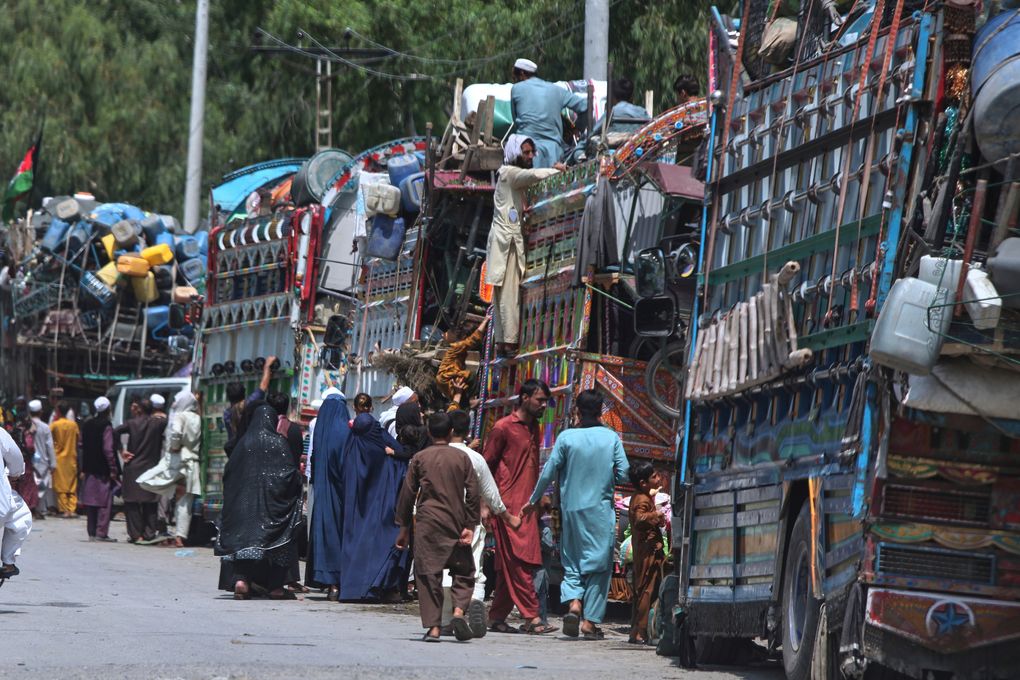
The return of millions of refugees has added pressure to an already fragile system, leading to increased rents and financial strain on families like Rahimullah's. The ban on women working has left many unemployed, further complicating their ability to provide for their families. In provinces like Badakhshan, families like Sherin Gul's are struggling to make ends meet, with limited resources and support available.
As the harsh Afghan winter persists, the situation for many vulnerable families remains dire. Without adequate assistance and support, the risk of severe hunger and hardship looms large. The ongoing challenges faced by Afghans underscore the urgent need for sustained humanitarian aid and international support to alleviate the suffering and ensure the well-being of the population.