Budgeting in a K-Shaped Economy: How Newlyweds Brittany and Frank Navigate Rising Costs
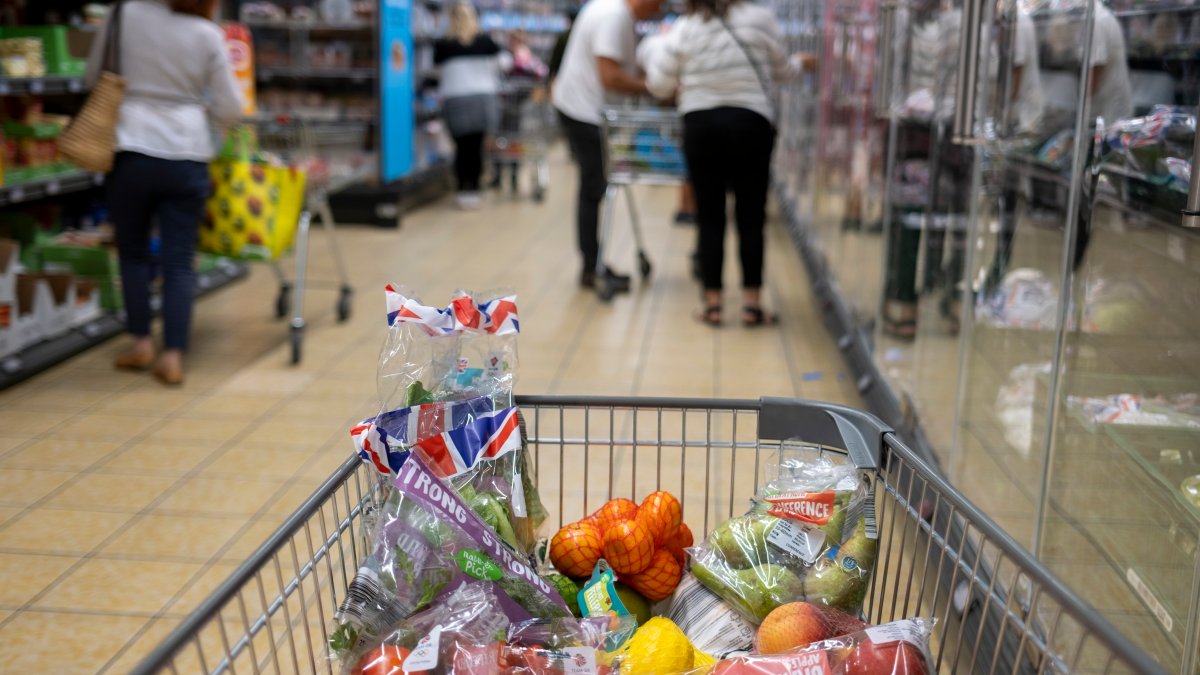
Newlyweds Brittany Zwier and Frank Martinez are navigating their new life together while trying to manage their finances effectively. With an annual income exceeding $100,000, they are feeling the pinch of rising costs and are making changes to their spending habits. They have opted to shop at Aldi, a budget-friendly supermarket, to save money on groceries and have cut back on buying beef due to high prices.
The couple's experience reflects a broader trend among Americans facing increased living expenses driven by inflation, high interest rates, energy costs, and tariffs. Many households are adjusting their grocery purchases to stay within budget, with housing and food costs being top concerns. Despite positive economic indicators like stock market growth and GDP expansion, the economic landscape remains challenging for many.
Economists describe the current economic divide as a "K-shaped economy," where wealthier individuals are faring well while lower-income households struggle to keep up with rising expenses. Zwier and Martinez have reduced dining out to save money, aligning with a broader trend of decreased spending at restaurants. The Federal Reserve Chair has acknowledged the belt-tightening behavior of consumers in response to price increases across various sectors.
In addition to food costs, Zwier and Martinez have noticed significant increases in their utility bills, reflecting a nationwide trend of rising electricity costs. Budget retailers like Aldi, Walmart, and Costco are benefiting from shifting consumer spending patterns, with Aldi experiencing substantial growth in recent years. The discount supermarket chain's focus on low prices and minimalistic approach has resonated with shoppers seeking to save money.
As Americans adjust their spending habits, the economy increasingly relies on high-income households for consumer spending. The top earners are driving a significant portion of total consumer spending, raising concerns about economic stability. While some businesses cater to affluent consumers with premium offerings, economists warn of potential repercussions if the economy becomes overly dependent on a small segment of the population.
The current economic landscape underscores the challenges faced by middle-class households, with wage gains stagnating and inflation rising. The pressure on the middle class is expected to intensify, potentially leading to a squeeze on household finances. As the economy navigates uncertainties, the financial well-being of the majority of Americans hinges on the spending behavior of a select few, highlighting the need for broader economic resilience and stability.