Myanmar's Controversial General Election: A Crossroads for Democracy
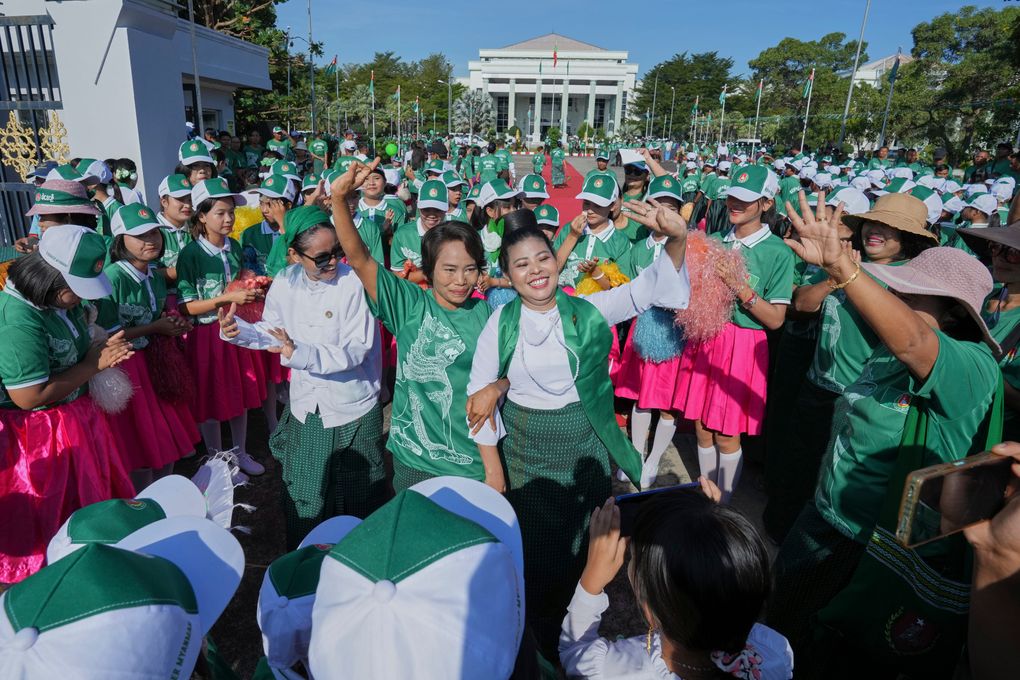
Myanmar is gearing up for its first general election in five years, with the first phase scheduled for Sunday. The military, which took control of the country in a coup in 2021, is framing the polls as a return to multi-party democracy. However, critics argue that the election will not restore democracy or end the civil war that has erupted in response to military rule. The voting will be conducted in three phases, with the second and third phases set for January.
Human rights and opposition groups have raised concerns about the fairness of the election, with many believing that the military will retain power. The military's favored Union Solidarity and Development Party is expected to win, maintaining army control under the guise of a civilian government. The international community has been divided in its response, with Western nations imposing sanctions while neighboring countries like China, India, and Thailand continue to support Myanmar's rulers.
The election will see candidates from 57 parties competing for over 1,100 seats in the national and regional legislatures. However, many parties, including Aung San Suu Kyi's National League for Democracy, are not participating due to restrictions imposed by the military. The Election Protection Law has further limited political activity, leading to arrests of individuals critical of the polls. The ongoing conflict with ethnic groups has also prevented voting in some areas.
The situation in Myanmar remains volatile, with thousands detained for political reasons and civilians facing violence from security forces. The United Nations Human Rights Office has expressed concerns about intimidation of civilians by both the military and armed opposition groups. Amnesty International has warned that the election could strengthen the power of those responsible for human rights abuses.
As Myanmar prepares for the election, the country is at a crossroads, with the military seeking to legitimize its rule through the polls. The outcome of the election is likely to have far-reaching implications for the country's future, with the potential for increased conflict as opposition groups challenge the military's authority.