Congressional Productivity: A Comparison of the 80th and 119th Congresses
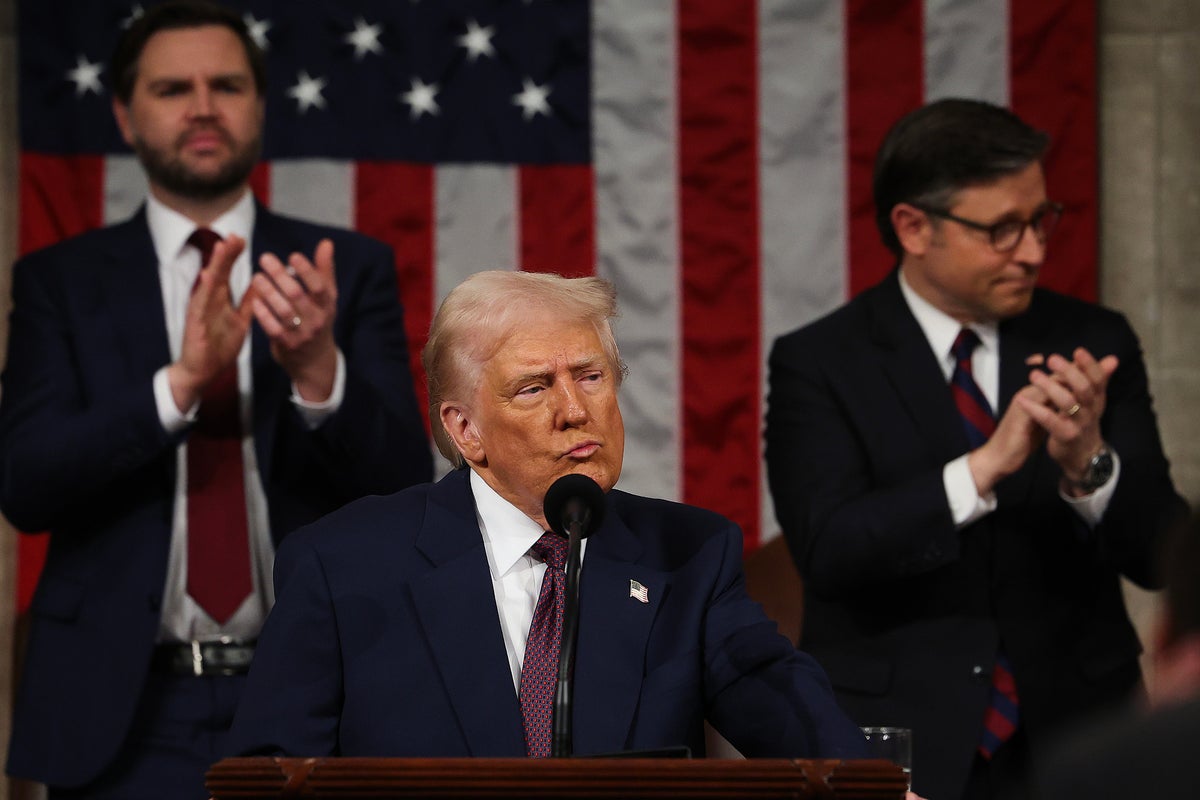
President Harry Truman criticized the 80th Congress for being a "do-nothing" Congress in 1948, passing only 906 bills into law. Fast forward to the present day, and the 119th Congress is facing similar criticism for its lack of legislative productivity. During President Donald Trump's first year back in office, the Republican-led Congress has been relatively inactive, sending only 38 bills to the president for approval. This has led to Trump relying heavily on executive orders to implement his policies, consolidating power in the White House rather than in Congress.
Many of the bills passed by the 119th Congress have been resolutions to roll back regulations from the previous administration, rather than enacting new policies. Some bills have honored specific groups, like increasing pensions for Medal of Honor recipients or awarding Congressional Gold Medals to the 1980 "Miracle on Ice" U.S. Olympic ice hockey team. Other bills were essential, such as the National Defense Authorization Act and funding resolutions to maintain government operations at previous year's levels due to the lack of regular spending bills.
The House of Representatives has been particularly inactive, casting only 362 roll-call votes this year, the lowest in a first year of Congress this century. The Senate has been slightly more active with 659 roll-call votes, mostly on nominees to federal agencies and the judiciary. Despite the looming issue of high health insurance premiums due to the expiration of Covid-era subsidies for Affordable Care Act marketplaces, Congress has yet to propose a solution. Ohio Republican David Joyce criticized Congress for neglecting the health care subsidy issue and highlighted the passage of Trump's tax and spending package as a significant accomplishment, albeit limited by Senate rules.
In conclusion, the 119th Congress has been criticized for its lack of legislative productivity, with only a few significant bills passed and many essential issues left unaddressed. The reliance on executive orders and the limited number of bills passed reflect a trend of centralized power in the White House rather than in Congress. The challenges faced by Congress in addressing critical issues like health care subsidies highlight the need for more effective legislative action in the future.