Trump's Evasive Tactics: The Rise of 'I Don't Know' in the White House
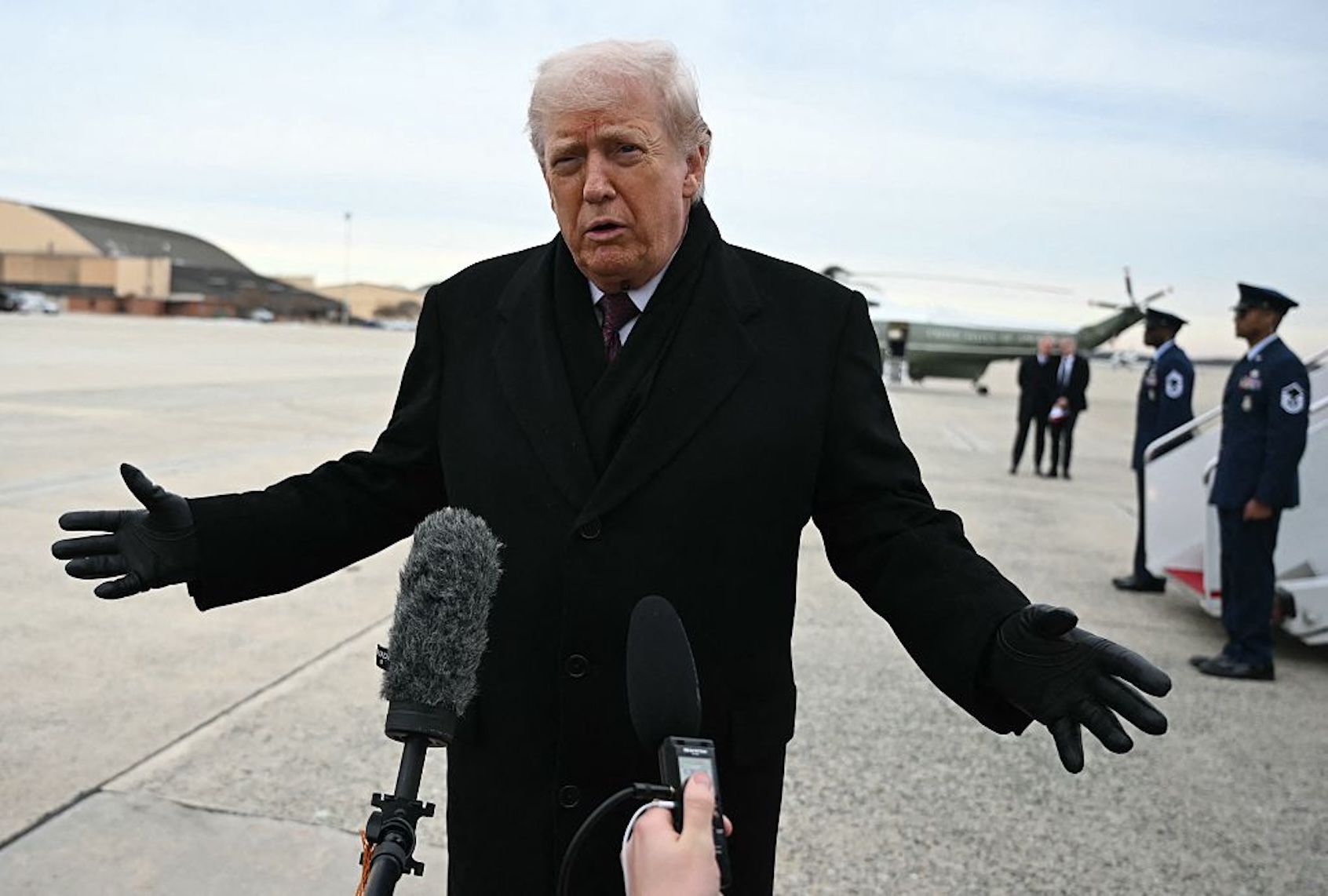
The current White House administration is facing criticism for President Donald Trump's apparent lack of knowledge and unwillingness to take responsibility for his actions. Despite claiming to have passed a dementia screening test, Trump often responds with "I don't know" when questioned about complex or controversial issues. This pattern of evasive answers has raised concerns about his competence and accountability as the leader of the nation.
Trump's frequent use of "I don't know" as a response has become a common refrain in his interactions with the media. Whether asked about pardons, controversial appointments, or constitutional obligations, the president consistently deflects with this phrase. This tactic is seen as a way to avoid scrutiny and shift blame away from himself, creating a narrative of ignorance and incompetence.
While some may attribute Trump's evasive responses to age-related decline, it is clear that he is often deliberately misleading or lying. His history of self-aggrandizement and claims of superior intelligence contradict his current portrayal as uninformed and clueless. Trump's strategic use of ignorance as a shield reflects a calculated effort to evade accountability and maintain control over the narrative.
Despite Trump's previous tactics of promising answers in "two weeks" to avoid immediate scrutiny, he now relies heavily on the simple response of "I don't know." This shift in strategy suggests a lack of motivation and energy on his part, as well as a waning ability to engage in more elaborate deflections. The repetitive use of this deflection may indicate a decline in Trump's effectiveness as a leader and communicator.
While Trump's evasion tactics may frustrate critics and observers, they also signal a potential turning point in his presidency. The diminishing returns of his evasive responses and the growing weariness in his demeanor hint at a presidency running on empty. As Trump's popularity wanes and his second term progresses, the prevalence of "I don't know" as a response may mark the beginning of the end for his administration.