Minnesota Mayors Unite for Fiscal Responsibility: Addressing State's Financial Challenges and Prioritizing Local Communities
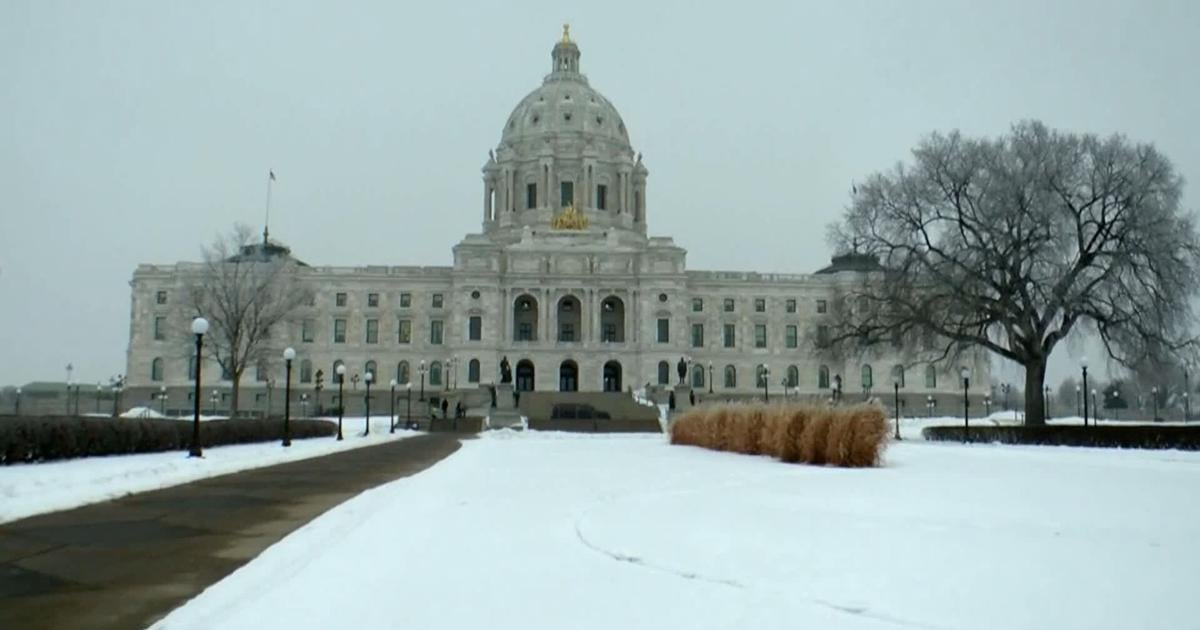
Minnesota mayors are expressing deep concerns about the state's fiscal direction, with nearly 100 mayors signing a letter addressed to state representatives, senators, and Gov. Tim Walz. The letter highlights the disappearance of an $18 billion surplus and a projected $2.9 billion to $3 billion deficit for the 2028-29 biennium. Stewartville Mayor Jimmie-John King is among the signatories.
The mayors are frustrated with what they see as fraud, unchecked spending, and inconsistent fiscal management in St. Paul, which they believe have negatively impacted local cities' ability to plan responsibly and sustain core services without burdening taxpayers. Economic challenges are further highlighted by a Minnesota Chamber of Commerce report showing low rankings in GDP, job, and labor force growth from 2019 to 2024, indicating workforce shortages and rising operational costs.
The mayors stress that every unfunded mandate or cost shift puts pressure on critical services like public safety, making it increasingly difficult to invest in essential staff. They are calling for responsible and transparent state budgeting, a supportive regulatory environment, and stability for local governments. The mayors urge state leaders to prioritize the well-being of Minnesota's families, seniors, and businesses in their financial decisions.
In conclusion, the Minnesota mayors are united in their call for responsible fiscal management at the state level to ensure the sustainability of essential services and support for local communities. They emphasize the need for transparency, support for local governments, and prioritization of the well-being of residents and businesses in the state's financial decisions.