Jim Beam Halts Production at Main Distillery Amid Bourbon Industry Challenges
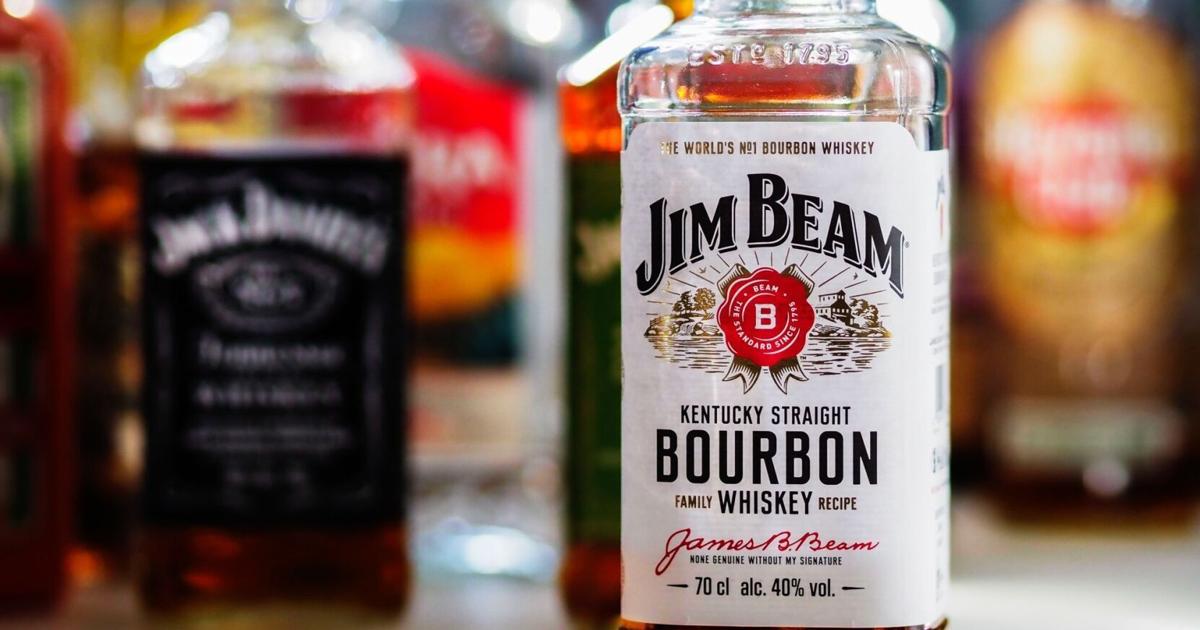
Jim Beam, a well-known Kentucky bourbon maker, is set to halt production at its main distillery starting on January 1. This decision is driven by the increasing supply of aging barrels in Kentucky and the uncertainties surrounding President Trump's trade policies. The state currently has a record high of 16.1 million aging barrels of bourbon in its warehouses, leading to higher taxes for distillers. Jim Beam, owned by Suntory Global Spirits, will pause production at its main distillery in Clermont, Kentucky, to focus on site enhancements, while continuing operations at its other distilleries in the area.
The company stated that it is constantly evaluating production levels to align with consumer demand and recently discussed its 2026 volumes with its team. Despite the production pause at the main distillery, bottling and warehousing activities will continue in Clermont. Jim Beam will also engage in discussions with employees represented by the United Food and Commercial Workers union to assess the impact on its workforce. Suntory Global Spirits has not announced any layoffs and currently employs over 1,000 people across its Kentucky sites.
The trade war initiated by President Trump has had repercussions on whiskey and spirit makers, with retaliatory tariffs affecting the industry. Canadian officials imposed a ban on American spirits in stores, while the European Union threatened to increase tariffs on American whiskey. The uncertainty surrounding trade policies has added challenges for distillers who rely on long-term planning for their products. Eric Gregory, president of the Kentucky Distillers' Association, emphasized the importance of tariff-free trade for the growth of America's native spirit.
In conclusion, Jim Beam's decision to pause production at its main distillery reflects the challenges faced by the bourbon industry in Kentucky due to an oversupply of aging barrels and trade uncertainties. The company's focus on site enhancements and ongoing operations at other distilleries demonstrate its commitment to adapting to market conditions while ensuring the continuity of its business. The impact of trade wars on the whiskey industry underscores the need for stable trade policies to support the growth and sustainability of American spirits.