Exploring the Depths: Scientists Discover 20 New Species in the Pacific Ocean's Twilight Zone
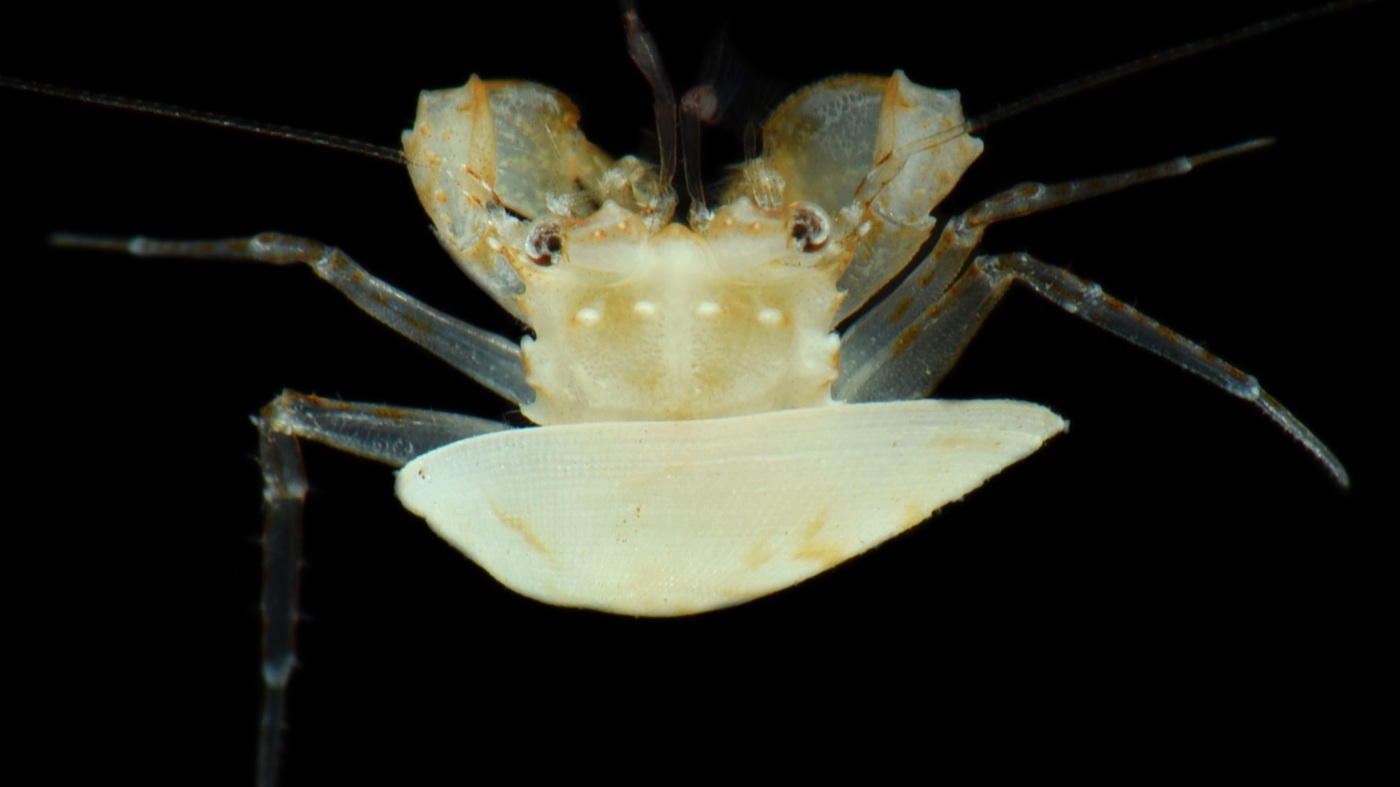
Scientists have made a significant discovery in the deep Pacific Ocean, uncovering around 20 new species. The breakthrough came as researchers retrieved 13 reef monitoring devices, known as ARMS, from deep coral reefs in Guam. These devices were placed up to 330 feet below the ocean's surface, an area with minimal light exposure.
During a two-week period in November, scientists collected 2,000 specimens, identifying 100 species that had not been previously documented in the region. Luiz Rocha, an Ichthyology curator at the California Academy of Sciences, anticipates that further analysis will reveal over 20 new species. The team uses genetic sequencing to confirm the uniqueness of each species, sometimes leading to unexpected discoveries.
The potential new species include crabs, sponges, ascidians, sea squirts, and gorgonians, a type of coral. These deep coral reefs exist in the mesopelagic zone, also known as the "twilight zone," where sunlight penetration is limited. Accessing this area poses challenges due to pressure, necessitating specialized diving equipment.
Exploring the "upper twilight zone" at depths of 180-330 feet, Rocha's team was prepared to encounter new species. However, they were surprised to find a hermit crab using a clamshell as its home, showcasing unique adaptations. The team's ongoing expedition aims to retrieve 76 additional deep reef monitoring devices in various locations across the Pacific Ocean.
Despite the difficulties associated with studying deep coral reefs, Rocha emphasizes the importance of understanding and protecting these ecosystems. Deep coral reefs harbor a diverse array of species and deserve conservation efforts to ensure their survival and preservation.