Legal Challenges to Comey and James Cases: Justice Department Appeals Dismissal of Charges
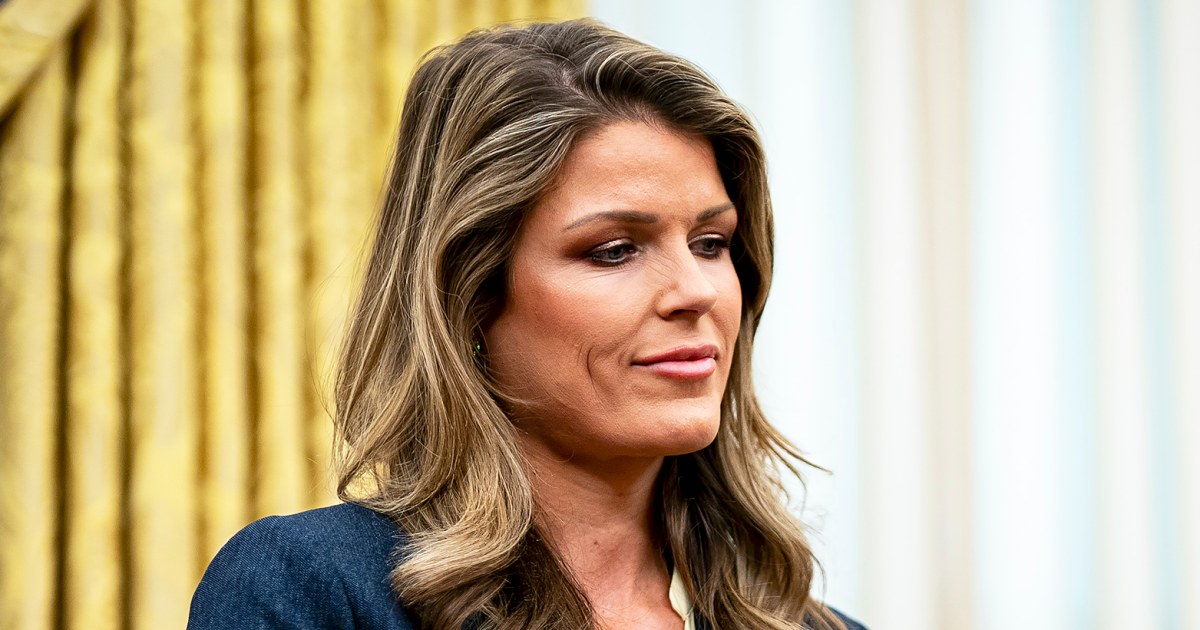
The Justice Department is challenging a federal judge's decision to dismiss criminal charges against former FBI Director James Comey and New York Attorney General Letitia James. The judge ruled that the prosecutor, Lindsey Halligan, was unconstitutionally appointed and lacked the authority to bring the cases forward. Halligan, a former White House aide with no prior prosecutorial experience, was appointed after career prosecutors determined the cases against Comey and James were weak.
Comey faced charges of making a false statement to Congress and obstructing a congressional investigation, while James was accused of bank fraud and making false statements to a financial institution. Both pleaded not guilty to the charges. The judge found that Halligan acted alone in presenting the cases to a grand jury and securing indictments, which raised concerns about the legality of her appointment.
President Donald Trump had criticized Comey and James and called for their prosecution. Halligan's appointment as a special U.S. attorney was defended by Attorney General Pam Bondi, who praised her as an excellent prosecutor. Trump also supported Halligan, describing her as a talented lawyer and suggesting that Comey and James had escaped prosecution on a technicality.
The judge's ruling on Halligan's appointment was based on a federal statute that limits the tenure of interim U.S. attorneys to 120 days unless confirmed by the Senate. Halligan's predecessor, Erik Siebert, had not been confirmed, but local judges had extended his appointment. The Justice Department has faced similar challenges in other states regarding the appointment of U.S. attorneys, leading to disqualifications in New Jersey, Nevada, and California. The department is appealing these rulings to address the appointment issues.