Biosecurity Threats: Recent Cases of Biological Material Smuggling by Visa Holders in the U.S.
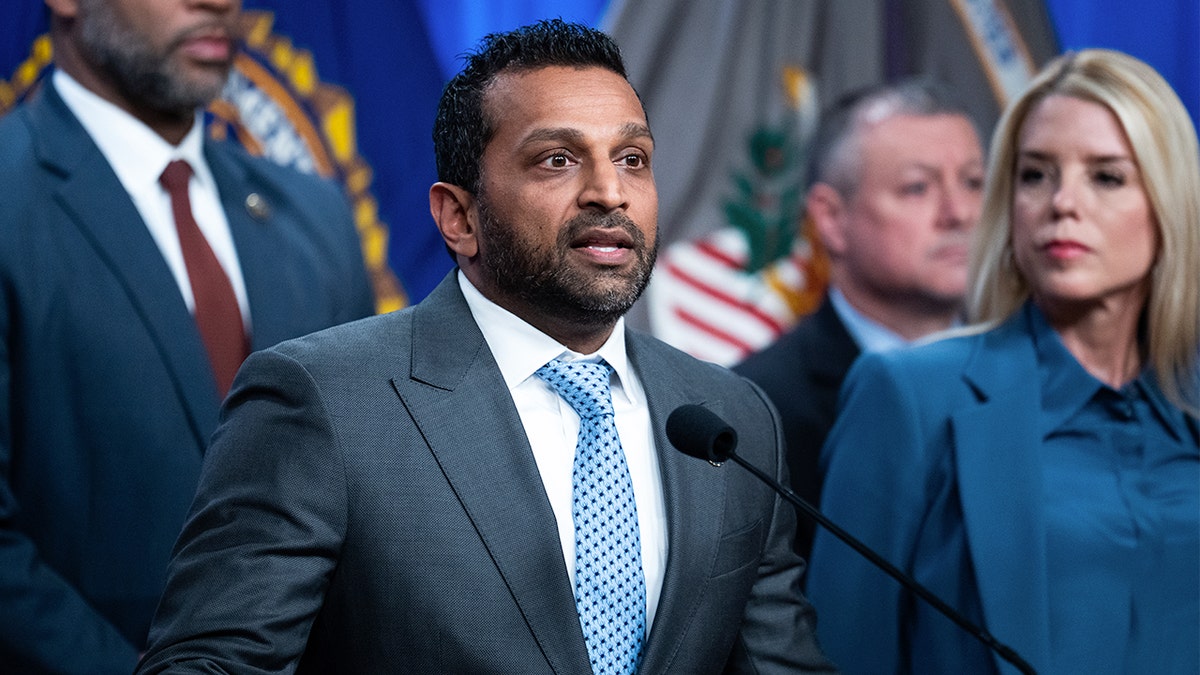
The FBI Director, Kash Patel, revealed that a post-doctoral researcher in the U.S. on a visa was charged with smuggling E. coli into the country and providing false information about it. The researcher, Youhuang Xiang, was not affiliated with a named university in the case. Patel expressed concern about researchers from China engaging in schemes to bypass U.S. laws by receiving biological materials from China, which could pose a threat to U.S. crops and economy.
Patel commended the FBI offices in Indianapolis and Chicago for their efforts in the case and acknowledged the U.S. Customs and Border Protection (CBP). He cautioned universities to be vigilant about such activities and emphasized the importance of following legal procedures for importing/exporting biological materials. This incident is part of a series of cases involving visa holders allegedly smuggling research materials since the immigration crackdown began in January 2025.
In a separate incident, three Chinese scholars were charged with conspiring to smuggle biological materials into the U.S. while working at a university laboratory. They were accused of making false statements to CBP officers to import roundworm-related materials from China. Attorney General Pam Bondi highlighted the seriousness of attempting to smuggle biological materials under the guise of research, posing a threat to national and agricultural security.
The suspects, Xu Bai, Fengfan Zhang, and Zhiyong Zhang, participated in J-1 visa academic exchange programs and received concealed biological materials related to roundworms from a Chinese Ph.D. student in Wuhan, China. The student, Chengxuan Han, had previously worked at the University of Michigan and was convicted of smuggling and false statements before being deported from the U.S. Another incident involved Kseniia Petrova, a Russian-born scientist and Harvard University researcher, who was detained for allegedly smuggling frog embryos. Petrova's attorney explained that she was transporting the embryos for a collaboration with a French lab and was unaware of the customs requirements.
The Department of Homeland Security (DHS) stated that Petrova was lawfully detained for providing false information to federal officers and carrying undeclared biological substances into the country. She was released from federal custody in June. These cases underscore the importance of adhering to legal protocols when handling biological materials to prevent potential threats to national security and agriculture.