Challenges and Criticisms in Prosecuting Protesters for Assaulting Federal Officers: A Closer Look at Recent Cases
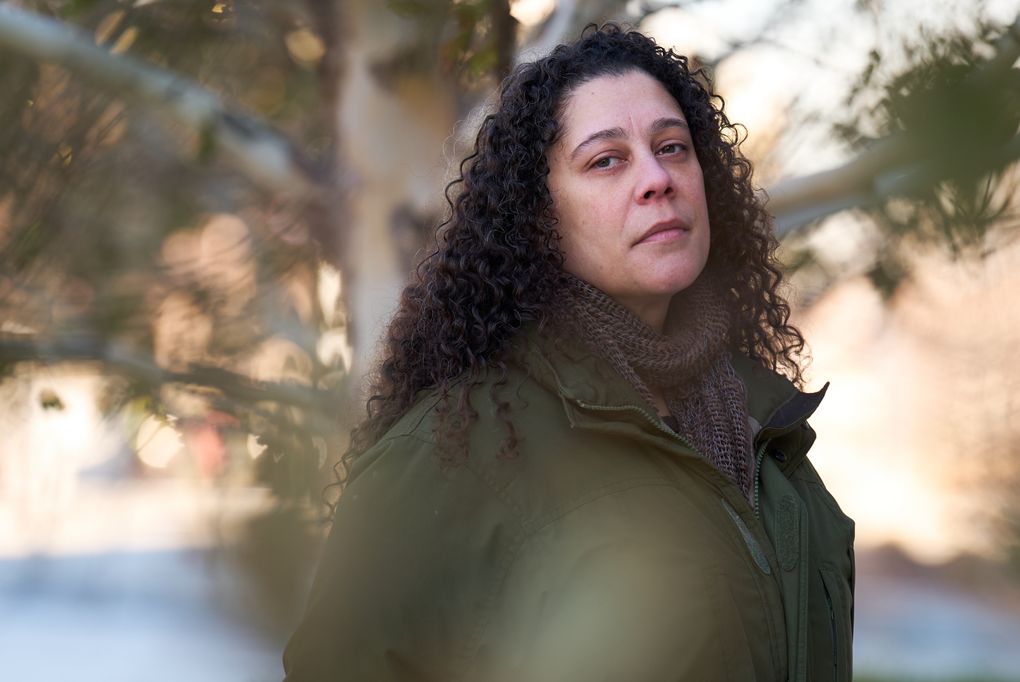
The Justice Department pursued Sidney Lori Reid on a charge of felony assault after she allegedly injured a federal agent during a protest in Washington, D.C. Reid was acquitted after body camera footage showed that the agent had scratched her hand on a wall while shoving Reid. Despite the Justice Department's efforts to prosecute individuals accused of assaulting federal officers during protests against Trump's immigration policies, many cases have resulted in reduced charges or dismissals. Some cases have involved minor misdemeanor charges, and all five defendants who went to trial were acquitted. The Justice Department has faced challenges in securing felony indictments due to weak evidence or minor injuries suffered by officers.
The Justice Department's aggressive approach to prosecuting protesters accused of assaulting federal officers has raised concerns about the handling of these cases. Former prosecutors and law professors have criticized the government for charging individuals with minor misdemeanors and failing to respect First Amendment rights. The Trump administration's rhetoric and actions have been questioned, with experts suggesting that the focus on prosecuting protesters may be intended to deter future demonstrations rather than pursue serious criminal cases. Despite the administration's commitment to holding offenders accountable, the outcomes of many cases have not aligned with its goals.
The Department of Homeland Security has reported an increase in assaults on Immigration and Customs Enforcement personnel, attributing the rise to ongoing protests and violent incidents targeting federal agents. The administration's deployment of troops to cities where protests have occurred has faced legal challenges, with judges questioning the justification for these actions. While the administration has sought to portray immigration protesters as "antifa" and domestic terrorists, court records and evidence in many cases do not support these claims. Prosecutors have downgraded charges or dismissed cases when evidence has been weak or contradictory, highlighting the challenges in prosecuting individuals accused of assaulting federal officers during protests.
In conclusion, the Justice Department's efforts to prosecute individuals accused of assaulting federal officers during protests have faced obstacles and criticism. Despite the administration's aggressive approach, many cases have resulted in reduced charges or dismissals due to weak evidence or minor injuries. The handling of these cases has raised concerns about the government's respect for First Amendment rights and the pursuit of justice in these matters. The outcomes of these cases suggest that the administration's rhetoric and actions may not always align with the legal standards required to secure convictions in court.