U.S. Military Strikes Targeting Drug-Running Boats in the Eastern Pacific: A Closer Look
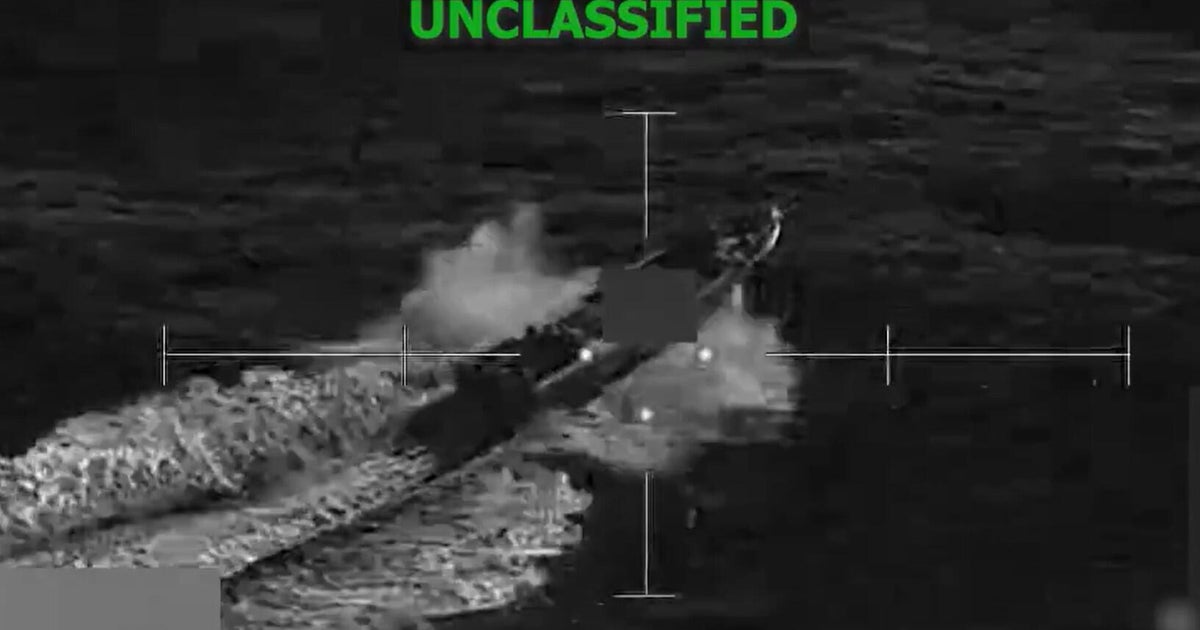
A recent U.S. military strike in the Eastern Pacific resulted in the deaths of four individuals on a suspected drug-running boat. This strike is part of a series of similar operations that the U.S. has been conducting since early September in the region. The U.S. Southern Command, responsible for military operations in Central and South America, confirmed the strike, stating that it was ordered by Defense Secretary Pete Hegseth against a vessel operated by a Designated Terrorist Organization in international waters. The strike was based on intelligence indicating that the boat was involved in narco-trafficking activities along a known route in the Eastern Pacific.
The victims of the strike were identified as "four male narco-terrorists," although the U.S. military did not provide evidence to support the claim that the boat was carrying drugs. Since September 2, the U.S. military has conducted a total of 26 strikes on alleged drug-trafficking vessels in the Eastern Pacific or Caribbean, resulting in the deaths of at least 99 individuals. Recent attention has been drawn to these strikes following reports that the same boat was targeted twice in a "double tap" or follow-on strike on September 2, resulting in a total of 11 casualties.
While some lawmakers and legal experts have raised concerns that the follow-on strike could constitute a war crime, the Pentagon has not released the full video footage of the strikes publicly. These vessel strikes are part of a broader effort by the Trump administration to pressure Venezuelan leader Nicolás Maduro, whom the U.S. accuses of involvement in drug trafficking and collaboration with drug cartels. Venezuela has criticized the strikes, with Maduro denying any ties to drug cartels and accusing the U.S. of seeking regime change.
In response to these developments, the U.S. has increased its military presence in the Caribbean and near Latin America. President Trump has indicated that he is considering sending troops to Venezuela or conducting land strikes in the country. Additionally, the U.S. military recently seized a sanctioned oil tanker near Venezuela, and President Trump announced a "total and complete blockade" on all sanctioned oil tankers entering or departing Venezuela. Efforts by House Democrats to limit the president's authority to strike Venezuela or conduct operations against alleged drug-running boats were unsuccessful.
In conclusion, the recent U.S. military strike on a suspected drug-running boat in the Eastern Pacific is part of a broader campaign targeting drug trafficking in the region. The strikes have raised concerns about potential war crimes and have sparked criticism from Venezuela. The situation underscores the escalating tensions between the U.S. and Venezuela, with the Trump administration taking a strong stance against Maduro's government.