Senate Approves $901 Billion National Defense Authorization Act (NDAA) with Bipartisan Support
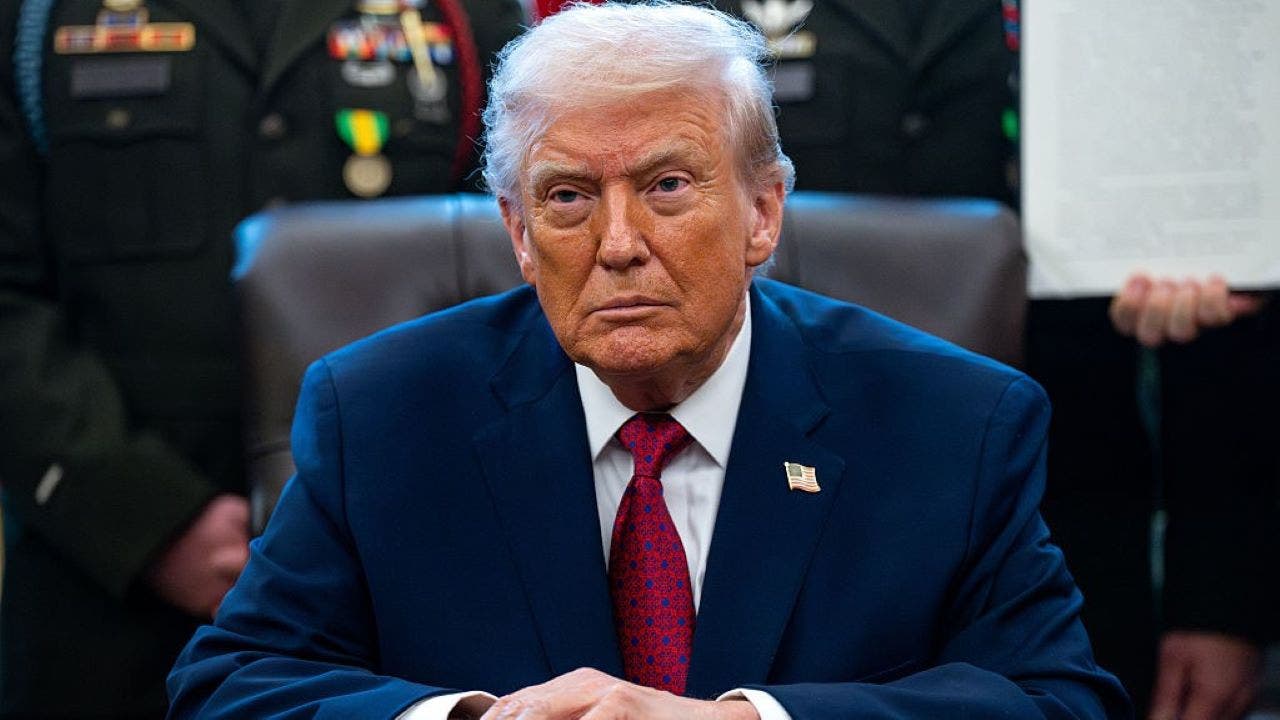
The Senate has approved a significant defense package, the National Defense Authorization Act (NDAA), worth around $901 billion. This package includes funding for various national defense priorities of the Trump administration. The Senate passed the measure with a bipartisan vote of 77-20, a routine legislative exercise that usually occurs at the end of the year.
While the NDAA usually passes without much controversy, this year faced some challenges in the House. There were concerns over certain provisions, including one that would relax safety standards in Washington, D.C., airspace. Senator Ted Cruz sought to amend the package to include his ROTOR Act, which aims to enhance aircraft technology for air traffic awareness.
Despite some contentious provisions, the NDAA successfully moved forward. One provision requiring the Pentagon to release unedited footage of boat strikes in the Caribbean in exchange for funding the Department of War’s travel fund raised questions but did not hinder the package's progress. Lawmakers are pushing for more transparency in the administration's actions against alleged drug boats.
The package also includes provisions for Ukrainian assistance and repeals of the 1991 and 2002 authorizations of the use of military force for the Gulf War and Iraq War. With the NDAA awaiting Trump's signature, the Senate still has other items on its agenda before the year ends, including confirming Trump's nominees and passing a spending package to fund the government.
Senate Majority Leader John Thune views the NDAA as a positive step in the right direction for defense investment. He emphasizes the importance of being prepared to defend America and its interests in a dangerous world. The Senate continues to work on critical issues before the year concludes.