Balancing Act: The Media's Dilemma in Covering HBCU Sports
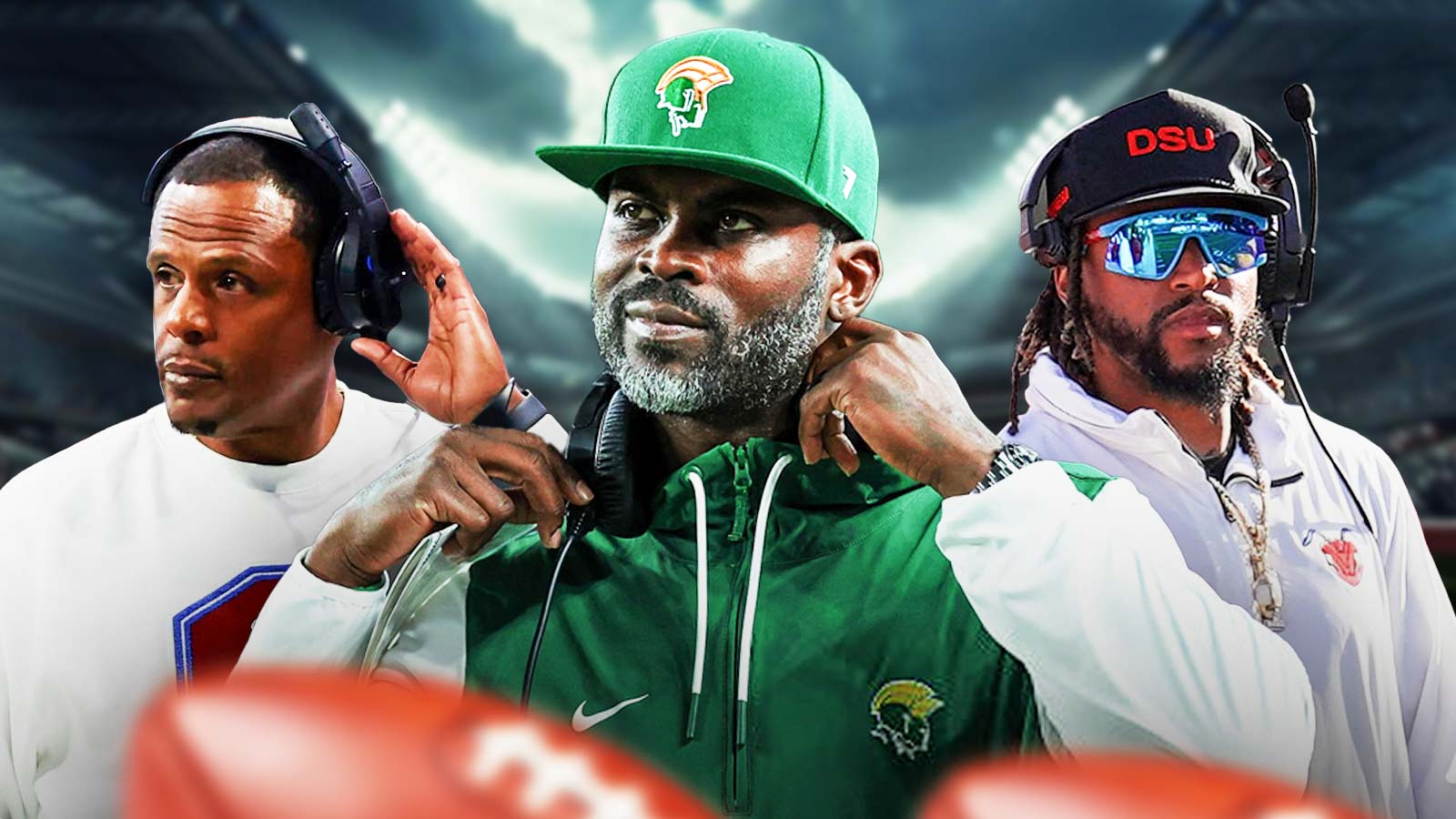
Following South Carolina State's victory in the Celebration Bowl, Coach Chennis Berry expressed his frustration with the lack of attention given to non-celebrity HBCU coaches like himself during media interactions. He highlighted the disparity in coverage between former NFL players turned coaches, such as Michael Vick and DeSean Jackson, and other coaches in the MEAC conference. Berry emphasized the talent and dedication of HBCU coaches and urged for equal recognition in the media spotlight.
As a member of the media, I reflected on the tendency to prioritize celebrity stories over the comprehensive coverage of HBCU sports. The pursuit of higher viewership often leads to overlooking the achievements and narratives of non-celebrity coaches and teams. This dilemma was evident in my experience managing social media content for HBCU Pulse, where audience preferences for celebrity-related posts overshadowed the recognition of significant victories by lesser-known institutions.
The criticism and backlash faced for prioritizing celebrity culture over highlighting the accomplishments of coaches like Chennis Berry underscored the challenges of balancing audience engagement with ethical media coverage. Despite my commitment to showcasing the diverse stories and successes within HBCU sports, the pressure to cater to audience preferences for celebrity content posed a constant dilemma. The need to strike a balance between audience demands and authentic storytelling remains a crucial aspect of media representation in the HBCU community.
The evolving landscape of HBCU media presents a unique opportunity to amplify the voices and achievements of coaches who may not have the same level of recognition as former NFL players. Chennis Berry's call for equal attention to non-celebrity coaches resonates with the need to celebrate the excellence and dedication of all coaches within the HBCU sports realm. As we navigate the challenges of media coverage in the upcoming season, it is essential to prioritize inclusivity and equitable representation of coaches and teams across the HBCU landscape.
In conclusion, Chennis Berry's remarks shed light on the importance of recognizing and uplifting non-celebrity HBCU coaches in media coverage. The media's role in showcasing the diverse narratives and achievements within HBCU sports requires a concerted effort to highlight the contributions of all coaches, regardless of their celebrity status. Moving forward, it is imperative for HBCU media to strike a balance between audience engagement and ethical coverage, ensuring that the stories of excellence and resilience within the HBCU community are given the spotlight they deserve.