Unpacking the Controversy: J.D. Vance's Stance on Conspiracy Theories and Media Perception
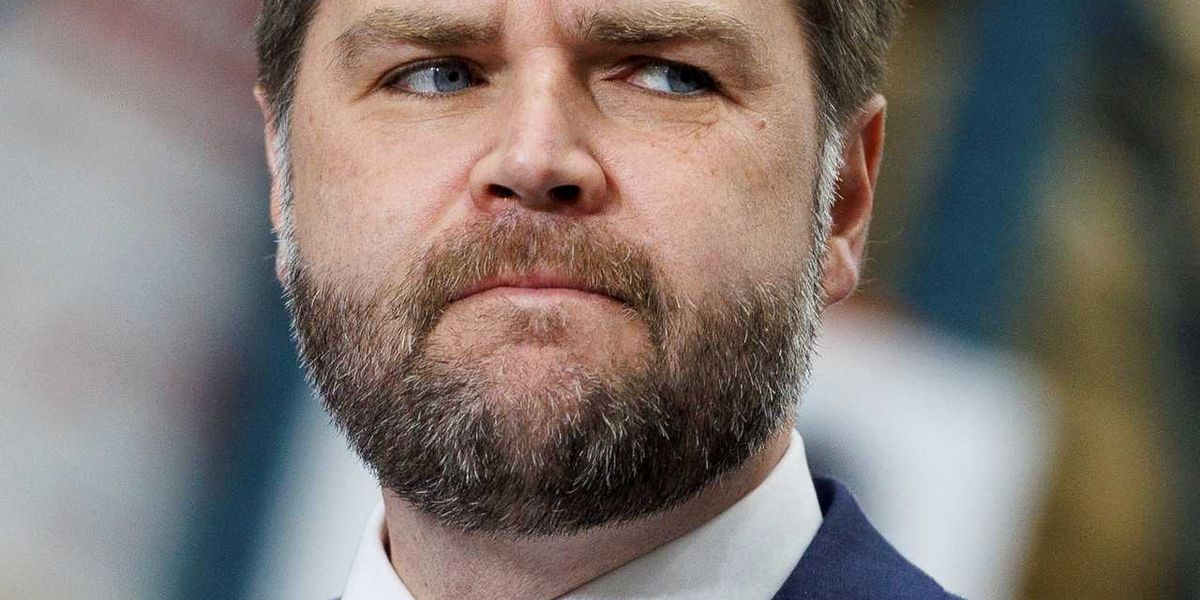
Vice President J.D. Vance recently addressed accusations of being a conspiracy theorist, stating that he only believes in conspiracy theories that have proven to be true. The controversy arose from an interview with White House chief of staff Susie Wiles, where she referred to Vance as a conspiracy theorist. Vance defended his beliefs by citing examples of past conspiracy theories that turned out to be accurate, such as his skepticism about masking three-year-olds during the COVID-19 pandemic and concerns about Joe Biden's ability to perform his presidential duties.
Wiles later criticized the article, claiming that it omitted important context and aimed to portray the administration in a negative light. She expressed disappointment in the way her comments were portrayed and defended the administration's integrity. The media's handling of conspiracy theories, such as doubts about Biden's cognitive decline and the origins of COVID-19, was also highlighted, with initial skepticism eventually giving way to acceptance by the intelligence community and scientists.
The controversy surrounding Vance's alleged conspiracy theories underscores the ongoing debate about the validity of such claims and the media's role in shaping public perception. Despite the criticism, Vance remains steadfast in his belief that certain conspiracy theories have merit and should not be dismissed outright. The evolving nature of conspiracy theories and their impact on public discourse continue to be topics of interest and scrutiny in today's political landscape.