Addressing Conflict and Security in Sololá: Government Restrictions and Indigenous Rights
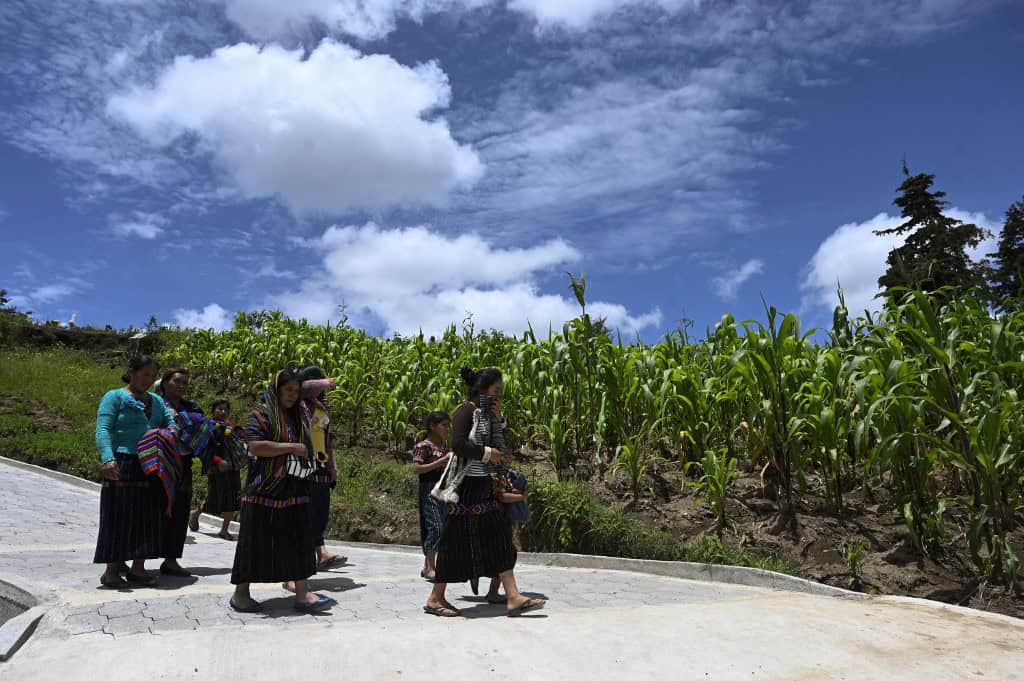
The government of Guatemala has implemented restrictions on civil rights in the Indigenous region of Sololá following a violent incident that resulted in five deaths. President Bernardo Arévalo attributed the violence to organized crime groups vying for control of the area to carry out illegal activities. As a result, a "state of prevention" has been declared, allowing authorities to limit assembly and demonstration rights in the region.
The recent violence in Sololá, which left five people dead, is believed to be orchestrated by criminal groups aiming to push the Guatemalan army out of the area. President Arévalo emphasized the need to maintain security in the region and prevent criminal organizations from operating freely. The government's decision to impose restrictions on civil rights is a response to the escalating conflict and violence in the area.
The clashes in Sololá are not solely related to the historical land dispute between the Indigenous communities of Santa Catarina Ixtahuacán and Nahualá. President Arévalo clarified that the recent attacks were targeted at a military detachment and were not part of the ongoing conflict between the two communities. The situation in Sololá has become increasingly volatile, with criminal groups exploiting community conflicts to further their own interests.
The ongoing dispute over land resources in Sololá has led to recurring conflicts between the Indigenous communities, resulting in casualties and tensions. Despite efforts by past governments to facilitate dialogue between the parties, the conflict persists, with occasional outbreaks of violence. The recent incidents highlight the complex challenges faced by Indigenous communities in Guatemala, many of whom live in poverty and are vulnerable to exploitation by criminal groups.
In conclusion, the situation in Sololá underscores the urgent need for effective measures to address the underlying issues fueling the conflict and violence in the region. The government's decision to impose restrictions on civil rights reflects the gravity of the situation and the need to restore peace and security in the area. Efforts to promote dialogue and address the root causes of the conflict are essential to prevent further escalation of violence and protect the rights and well-being of the Indigenous communities in Sololá.