The Implications of a Supreme Court Ruling on Tariffs: Potential $168 Billion Refund and Economic Impact
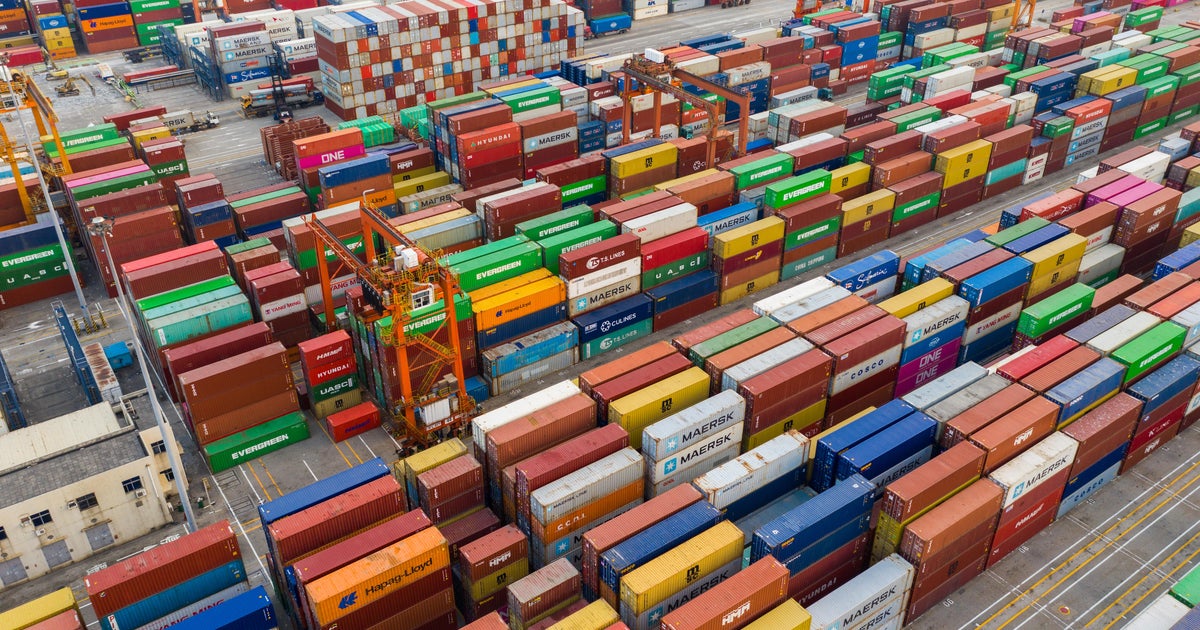
The potential impact of a Supreme Court ruling on the Trump administration's use of emergency powers to impose tariffs could result in the U.S. government owing businesses up to $168 billion in refunds. The current tariff revenue collected by the government stands at $259 billion, with the legality of the tariffs under scrutiny. The Supreme Court hearing raised questions about the president's authority to impose tariffs under the International Emergency Economic Powers Act (IEEPA), a law not explicitly mentioning tariffs. If the IEEPA tariffs are invalidated, the administration could resort to other laws like Section 232 and Section 301 to maintain tariff rates, albeit with more restrictions.
While the prospect of a substantial government refund for importers looms, some experts believe that striking down the tariffs could benefit the U.S. economy in the long run. Tariffs are considered inefficient for revenue generation and can hinder companies' productivity by increasing costs for imported goods. Despite the administration's stance that tariffs are essential for economic growth, job creation, and reducing the trade deficit, critics argue that the current high effective tariff rate of 16.8% is detrimental to businesses and consumers.
Small businesses, like Beauty Supply Refresh in Missouri and The Peacock Room in Detroit, express concerns that a potential tariff refund may not offset the financial damage caused by increased import duties. The impact of tariffs extends to consumers as well, with U.S. households reportedly paying an average of $1,197.50 in tariffs between February and November. Critics argue that the tariffs have led to higher prices for families, contradicting the promise of cost reduction. The outcome of the Supreme Court ruling on the tariffs could have significant implications for businesses, consumers, and the overall economy.