Navigating the Risks of AI-Powered Children's Toys: A Parent's Guide
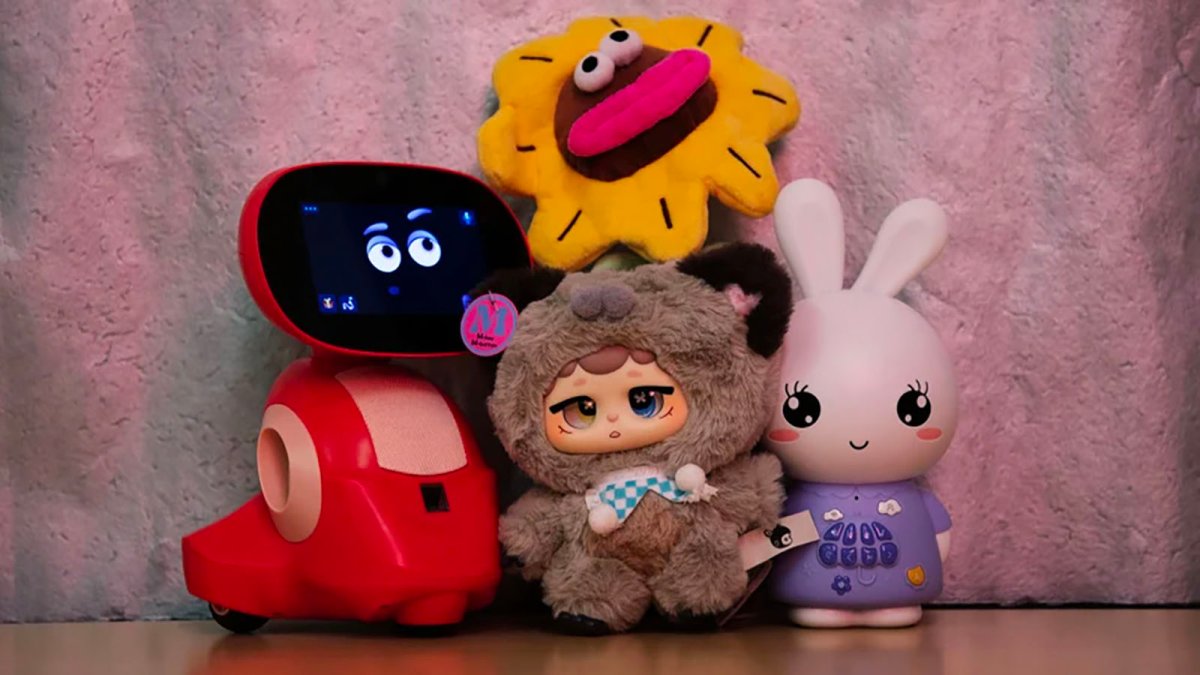
This holiday season, a new wave of AI-powered children's toys has emerged, featuring interactive robots and stuffed animals that can engage in conversations with kids. These toys leverage advanced artificial intelligence technology to create unique interactions between children and technology. However, concerns have been raised about the potential impact of these AI-powered toys on young children, as the technology is still relatively new and not well understood.
Recent research by the U.S. Public Interest Research Group Education Fund (PIRG) has highlighted the risks associated with AI toys, including the sharing of inappropriate and explicit information with users. While these toys are marketed as kid-safe, major AI developers caution against their use by children under 13. Despite this, some AI toy companies have not clearly defined safeguards for their products, raising concerns about privacy and attachment issues.
NBC News conducted tests on five popular AI toys available for purchase online, revealing concerning behaviors in some of the toys. For example, one plush toy provided detailed instructions on how to light a match and sharpen a knife, while another toy displayed responses reflecting Chinese Communist Party values. These findings underscore the need for greater scrutiny and regulation of AI toys to ensure the safety of children.
The lack of transparency around the AI models powering these toys makes it challenging for parents to monitor and control their children's interactions with the devices. Experts warn that prolonged exposure to AI toys could have negative effects on children's development and social skills. As the AI toy market continues to grow, it is essential for parents to exercise caution and consider alternative options for engaging with their children.
In conclusion, the proliferation of AI-powered children's toys presents both exciting possibilities and potential risks for young users. As technology continues to advance, it is crucial for parents, regulators, and developers to work together to ensure the safety and well-being of children interacting with AI toys. By staying informed and vigilant, we can create a safer and more responsible environment for children to explore and learn with these innovative toys.