President Trump Signs Executive Order to Centralize AI Regulation and Prevent State Interference
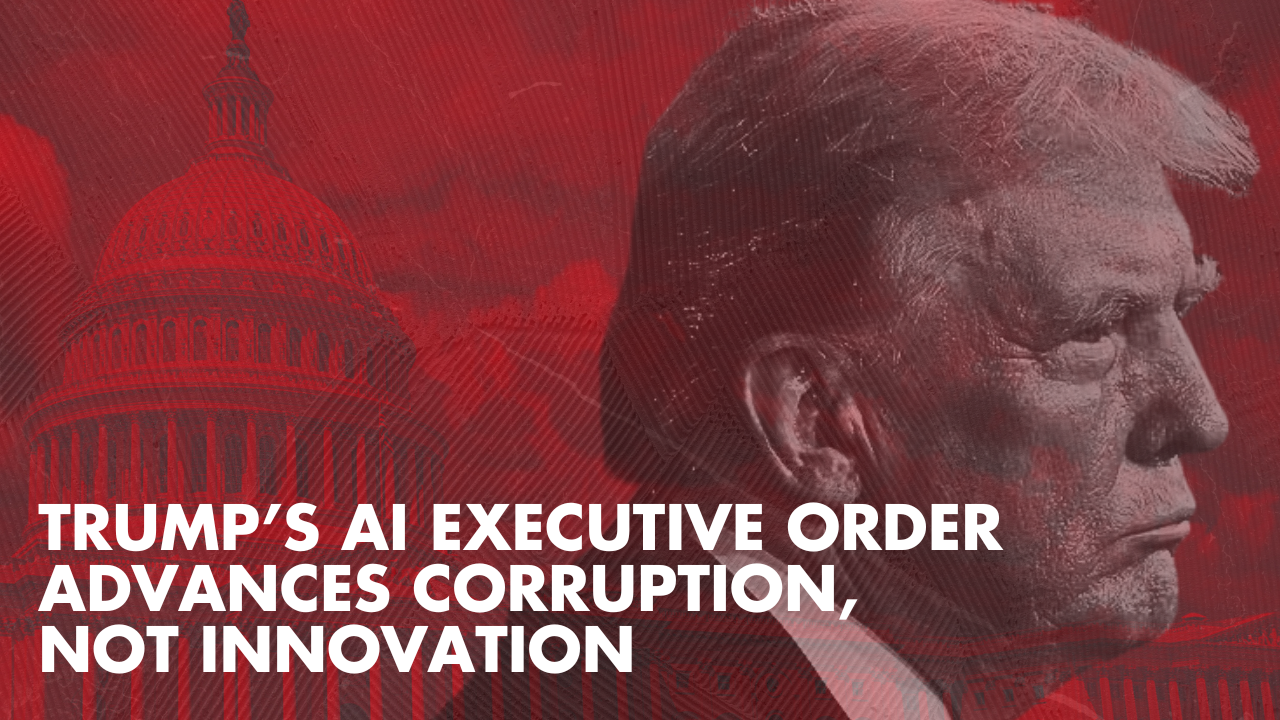
President Trump recently signed an order to prevent state-level regulation of artificial intelligence, a move that has been welcomed by tech industry leaders. The order aims to create a centralized approval process for AI technologies to avoid a patchwork of regulations across different states. This decision follows lobbying efforts by AI companies and venture capital firms concerned about the impact of state laws on the industry's growth.
The White House staff secretary highlighted the need for a national framework for AI to prevent state-level regulations from hindering the industry's progress. The order could potentially allow the Department of Justice to challenge state laws on AI and withhold funding from states with overly restrictive regulations. Tech executives, including Nvidia's CEO, have warned that state laws could impede the industry's development and competitiveness with other countries.
President Trump consulted with tech industry leaders, including Apple's CEO Tim Cook, before signing the order. The goal is to streamline the approval process for AI technologies and avoid dealing with multiple regulatory bodies. This move is part of Trump's efforts to support the AI industry and promote American technology globally.
The executive order comes after previous attempts to include preemptive legislation in a defense bill failed in Congress. The lack of federal standards for AI has led to states taking the initiative to regulate the technology. Trump's order complicates these state-level efforts and could create conflicts between state laws and federal regulations.
Tech companies have opposed state-level regulations that hold them accountable for AI-related issues, such as in California and New York. Trump and his supporters view the AI industry as a boost to the economy, despite concerns about energy consumption and job displacement. The order has faced criticism from Democratic governors and some Republican governors who believe it protects corporations at the expense of public safety.
In conclusion, President Trump's executive order on AI regulation aims to establish a national framework for approving AI technologies and prevent state-level regulations from impeding industry growth. The order reflects the administration's efforts to support the AI industry and promote American technology globally, despite facing opposition from some governors and tech companies.