Artists vs. Administration: The Controversy Over Music in Political Messaging
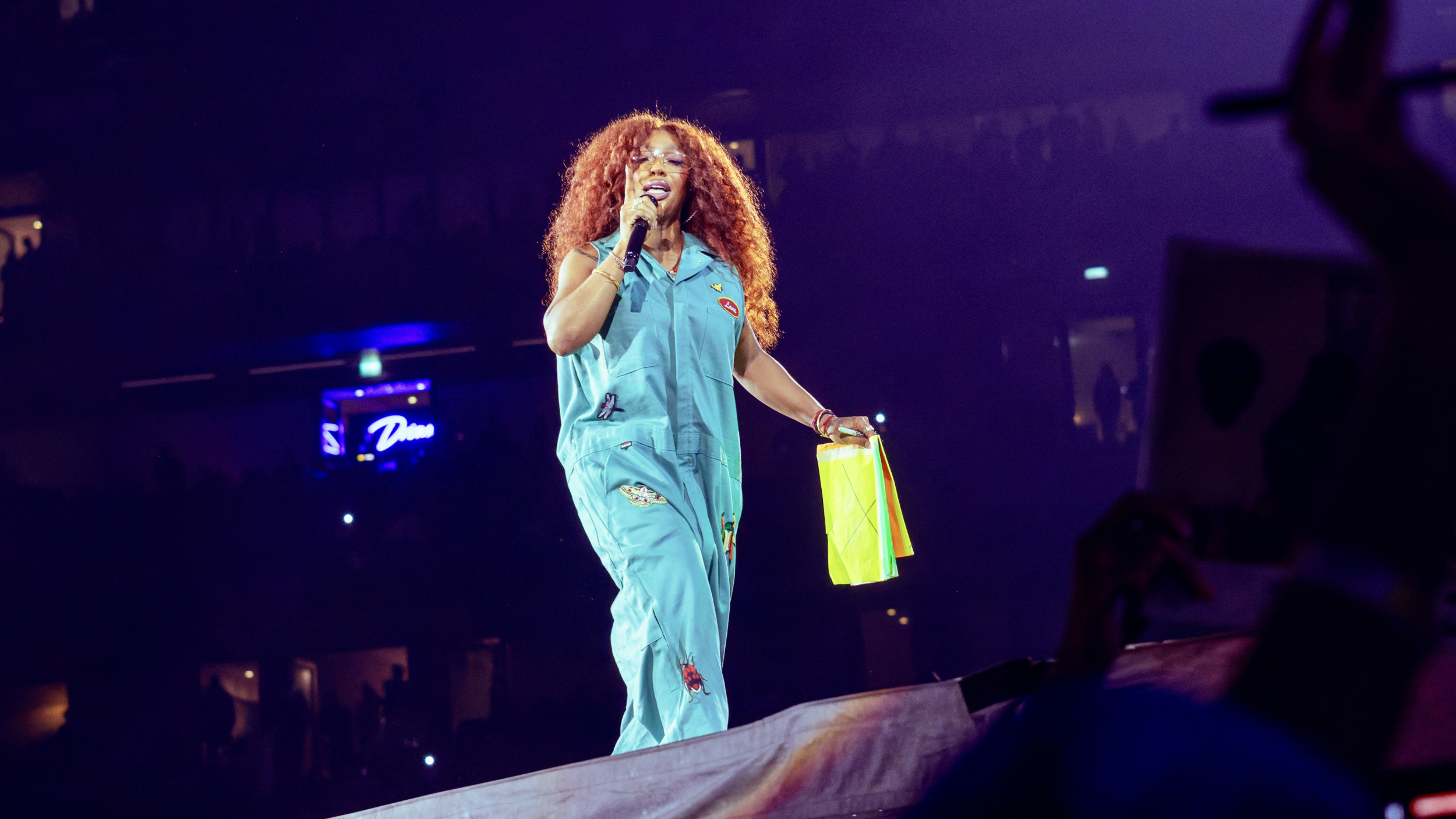
As the winter season approaches, the term 'cuffing season' typically evokes thoughts of cozy romance and companionship. However, the White House has taken a controversial twist on this Gen Z phrase, using it to refer to literal handcuffs in a move that has sparked outrage from R&B artist SZA. The administration's social media team posted a video featuring immigration enforcement agents chasing and detaining individuals, accompanied by the caption 'WE HEARD IT'S CUFFING SZN', prompting SZA to accuse them of 'rage baiting' musicians for political gain.
The White House's polished 17-second clip juxtaposed pop culture slang with harsh immigration policies, using the viral 'It's cuffing season' audio from SZA's SNL performance. The video, showing agents pursuing individuals, was shared with a caption celebrating the crackdown on 'criminal illegal aliens'. The use of the beloved internet meme in this context drew attention and criticism for its recontextualization of the term 'cuffing' to promote the administration's immigration agenda.
SZA, also known as Solána Rowe, did not hold back in her response to the White House's use of her music. She condemned their tactics as a cynical ploy to exploit artists' platforms for free promotion, denouncing it as 'PEAK DARK ..inhumanity +shock and aw tactics ..Evil n Boring.' Her strong reaction reflected a sentiment among artists that the administration is not only appropriating music but also intentionally stirring controversy to engage a wider audience beyond their political base.
Terrence 'Punch' Henderson, president of Top Dawg Entertainment (TDE) and SZA's manager, joined in the criticism, pointing out the administration's strategy to provoke artists into responding and amplifying their political messaging. He emphasized that this tactic of using artists' work to spread propaganda is unethical and urged them to stop. The deliberate use of music to drive political agendas has raised concerns among artists and industry professionals, highlighting the administration's calculated approach to garner attention and support.
The controversy surrounding the White House's appropriation of music for political purposes is not limited to SZA, as other artists have also faced similar situations. Pop sensation Sabrina Carpenter recently experienced a parallel incident where her song was used in a video showcasing ICE arrests. Carpenter swiftly condemned the use of her music for an 'inhumane agenda', echoing the sentiments expressed by SZA and shedding light on the administration's pattern of co-opting artists' work for their own political messaging.
The clash between artists and the Trump administration over the use of music in political contexts has been ongoing for years, with artists like Beyoncé and the Rolling Stones demanding their music be removed from campaign materials. However, the shift towards meme-focused 'rage bait' videos represents a new digital strategy that artists like SZA and her team have identified as 'evil and boring'. The deliberate appropriation of music to drive political narratives continues to spark controversy and pushback from artists who refuse to be complicit in promoting agendas that go against their values and beliefs.
In conclusion, the White House's use of music to amplify its political messaging has ignited a fierce response from artists like SZA and Sabrina Carpenter, who have condemned the administration's tactics as exploitative and unethical. The clash between artists and the administration reflects a broader tension between creative expression and political manipulation, highlighting the power of music as a tool for social commentary and resistance against oppressive agendas.