Global Call to Action: Addressing Environmental Crises for a Sustainable Future
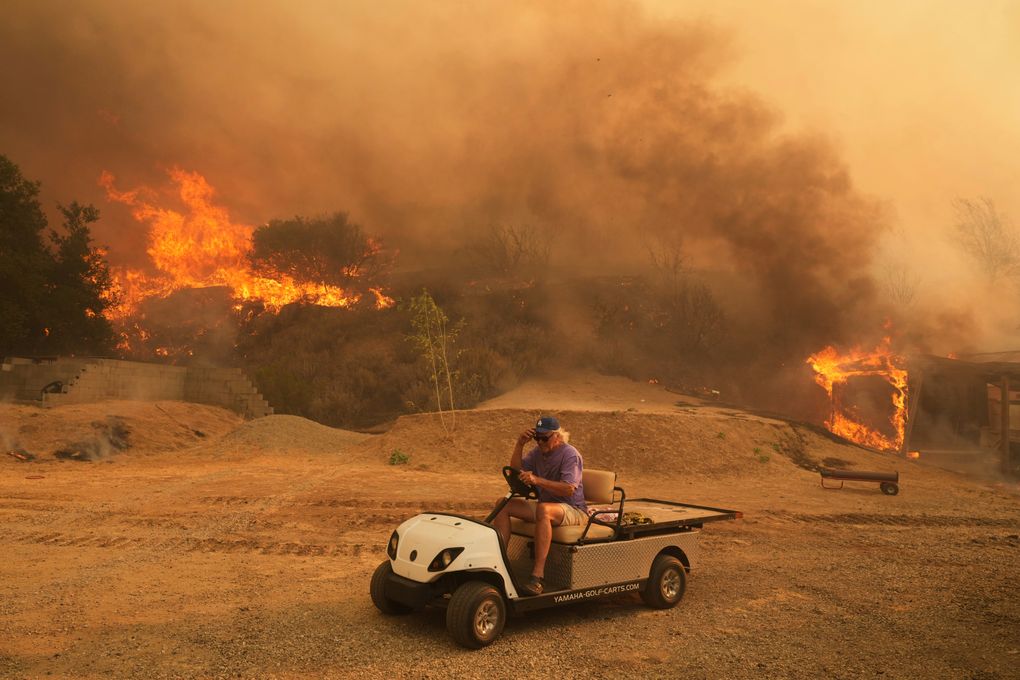
The urgent need for a new approach to address environmental crises threatening the health of both people and the planet is highlighted in a recent U.N. report. The report emphasizes the interconnected nature of climate change, biodiversity loss, land degradation, and pollution, stressing the importance of coordinated efforts to combat these issues. The call for increased investment in transitioning away from fossil fuels, promoting sustainable agricultural practices, reducing pollution, and minimizing waste is central to the report's recommendations.
The U.N. Environment Programme's quadrennial Global Environment Outlook, compiled by nearly 300 scientists from 83 countries, underscores the critical need for a comprehensive global strategy to address environmental challenges. The report warns of the dire consequences of inaction, including escalating greenhouse gas emissions, species extinction, land degradation, and pollution-related deaths. Urgent and unprecedented changes are required across all sectors to avert these looming threats.
Efforts to mitigate climate change and other environmental issues have fallen short, with individual agreements failing to deliver significant progress. The report advocates for a holistic approach involving governments, the financial sector, industry, and citizens to transition to a circular economy that acknowledges the finite nature of natural resources. The cost of implementing these changes is substantial but pales in comparison to the potential economic and societal impacts of inaction.
The report outlines the financial investment needed to achieve net-zero emissions by 2050 and restore biodiversity, estimating that $8 trillion annually is required. However, the economic benefits of these investments are projected to exceed costs, reaching $20 trillion per year by 2070 and $100 trillion per year thereafter. Shifting away from traditional economic metrics like gross domestic product is essential to measure sustainability and avoid long-term environmental harm.
The urgency of addressing environmental challenges is underscored by the interconnected nature of climate change, biodiversity loss, land degradation, and pollution. The report emphasizes the need for coordinated action across governments, nonprofits, industry, and the financial sector to incentivize renewable energy and sustainable practices. Despite the obstacles posed by political resistance and international discord, the imperative to act decisively to safeguard the planet and human society remains paramount.
In conclusion, the U.N. report underscores the critical need for a unified global response to environmental crises, emphasizing the interconnected nature of climate change, biodiversity loss, land degradation, and pollution. Urgent and unprecedented changes are required to transition to a sustainable future and avert the catastrophic consequences of inaction. The time to act is now, as the stakes for the planet and human society have never been higher.