Ending Coercion of Children and Harm Online Act: Protecting Minors from Online Predators like "764
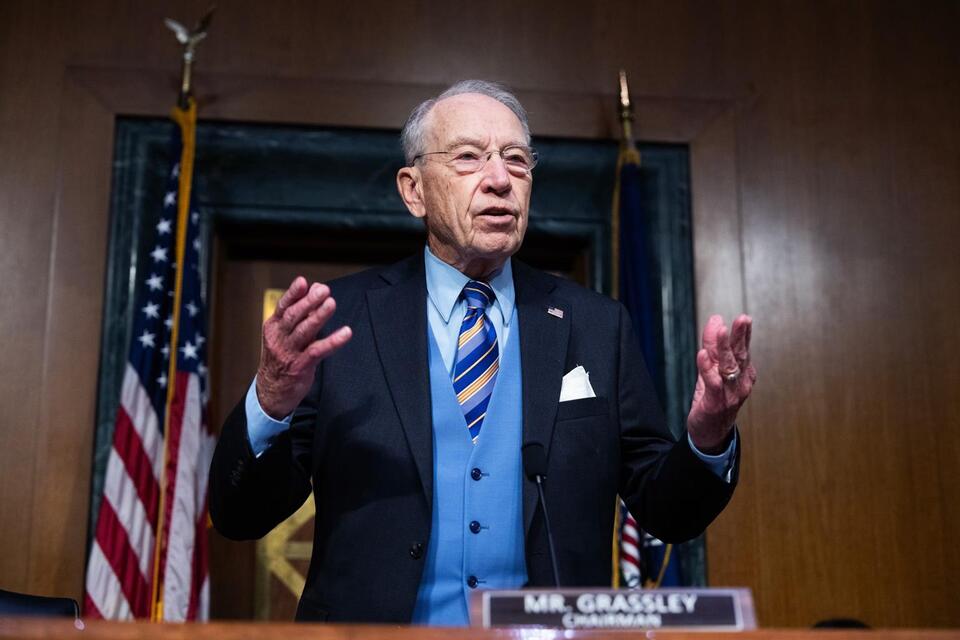
The U.S. government has been facing challenges in addressing online extremist networks like "764" that coerce teens into livestreaming violent acts or self-harm, as it is not currently a federal crime. Senators Chuck Grassley and Dick Durbin are set to introduce the Ending Coercion of Children and Harm Online Act, which aims to criminalize the intentional coercion of minors to harm themselves or others. This legislation comes in response to reports of online predators like 764 manipulating vulnerable victims, leading to tragic outcomes such as suicide. The proposed bill would impose severe penalties, including life imprisonment, for those involved in coercing minors to engage in harmful actions.
The FBI has identified 764 as a significant threat to teens online, with members exploiting victims on social media platforms and coercing them into self-harm or violent behavior. While German law explicitly criminalizes such coercion, the U.S. lacks specific legislation to address these digital crimes. Grassley and Durbin's proposed ECCHO Act would target networks like 764 and impose harsh penalties on individuals involved in coercing minors to engage in harmful actions, including suicide or causing harm to others. The bill aims to protect children from online predators who use technology to target and exploit vulnerable victims.
The National Center for Missing and Exploited Children has reported numerous cases of abuse linked to networks like 764, highlighting the urgent need for legislation to combat online predators. Grassley and Durbin's efforts to introduce the ECCHO Act and the Stop Sextortion Act demonstrate a commitment to protecting children from online abuse and holding perpetrators accountable. While some lawmakers have introduced legislation to address online threats, the specific focus on coerced self-harm remains a critical issue that requires legislative action. Grassley and Durbin's proposed bills aim to provide justice for victims and their families while addressing the evolving challenges posed by online predators.
In conclusion, the proposed legislation by Senators Grassley and Durbin represents a crucial step towards combating online coercion and protecting children from harm. By criminalizing the intentional coercion of minors to engage in harmful actions, the ECCHO Act seeks to address the growing threat of online predators like 764 and provide a legal framework to prosecute offenders. As technology continues to evolve, it is essential to enact laws that safeguard children from digital threats and ensure accountability for those who exploit vulnerable individuals online. The Senate Judiciary Committee's hearing on the evolving threat of online predators underscores the importance of legislative action to address these complex challenges and protect children in the digital age.