Understanding Tattoo Removal: Pain, Cost, and Laser Technology
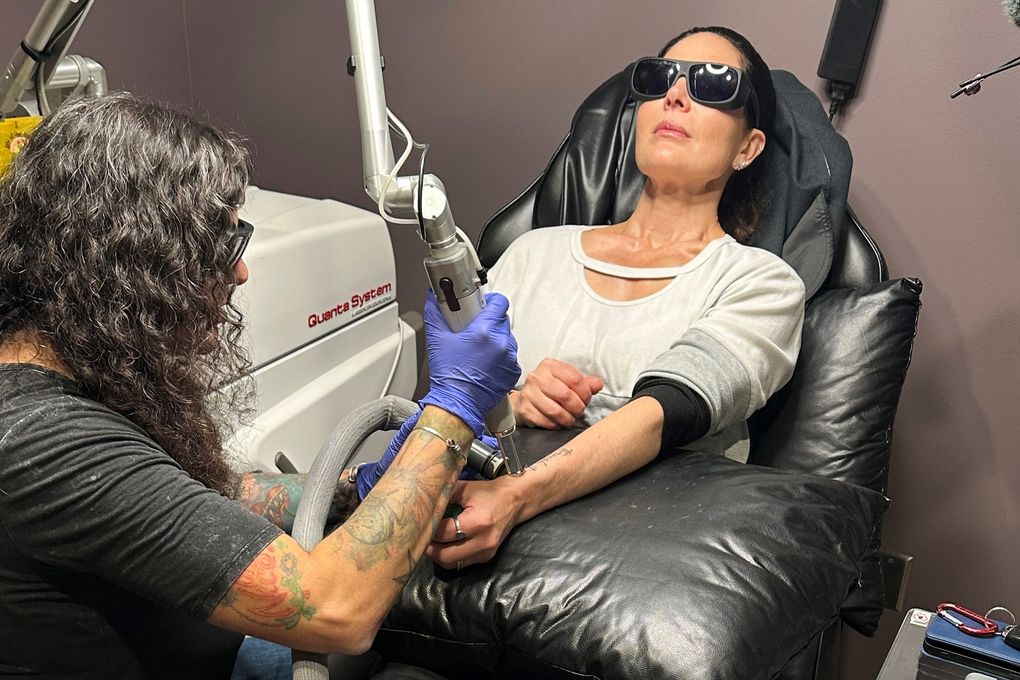
Tattoo removal is a process that many individuals undergo to get rid of unwanted tattoos. The procedure is known to be more painful and costly than getting the tattoo in the first place. The history of tattoo removal dates back to ancient times when various methods were used to remove tattoos, including scraping the skin. In modern times, laser technology has become the preferred method for tattoo removal.
According to a survey, about 32% of adults in the United States have tattoos, with 22% having more than one tattoo. The reasons for getting tattoos vary, with many individuals getting tattoos to honor or remember someone or something. However, about 24% of people regret getting tattoos and opt for removal.
Individuals have different reasons for wanting to remove their tattoos. Some may want to cover up or rework old tattoos, while others may simply be bored with their existing tattoos. The process of laser tattoo removal involves using a Q-switching laser to break down the ink particles in the skin, which are then absorbed by the body and excreted as waste.
Tattoo removal is not a one-time procedure and can take multiple sessions to completely remove a tattoo. The cost of tattoo removal varies depending on the size of the tattoo and the number of sessions required. The procedure can also come with risks such as skin discoloration, scarring, infection, and soreness.
Individuals considering tattoo removal should consult with a professional to understand the potential complications and risks associated with the procedure. It is important to be aware of any underlying health conditions that may affect the tattoo removal process, such as diabetes or autoimmune diseases. Despite the pain and cost involved, many individuals find tattoo removal to be worth it in the end.