Challenging Removal Protections: Trump v. Slaughter and the Future of Independent Agencies
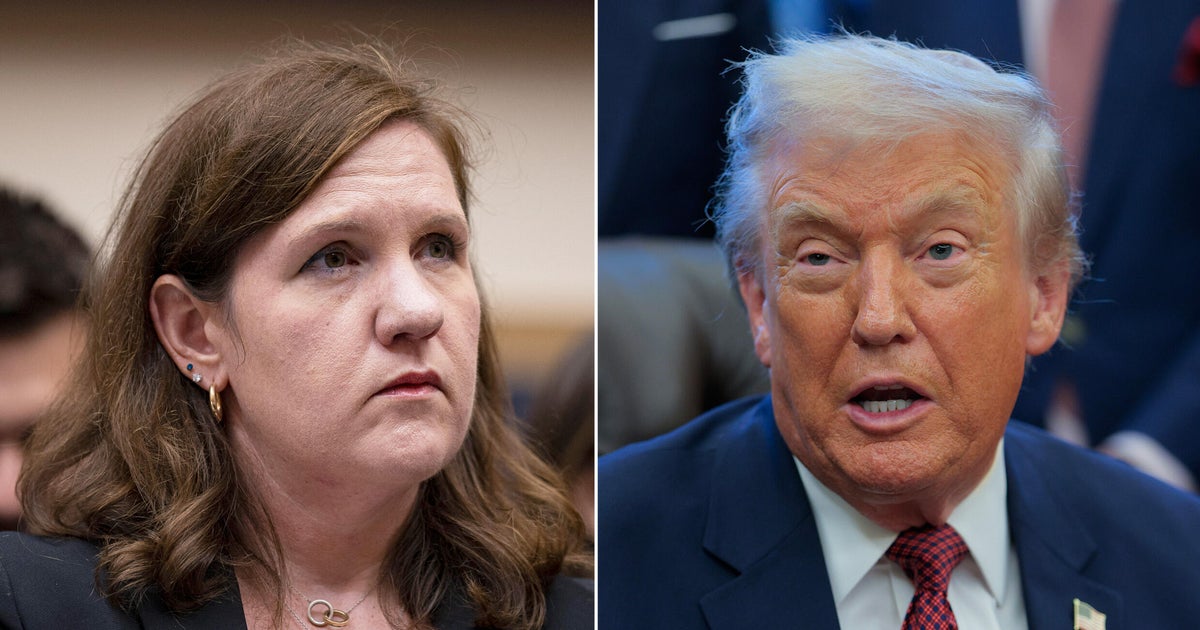
The Supreme Court is set to hear a case involving President Trump's attempt to remove a member of the Federal Trade Commission, challenging the removal protections for independent agency members. The case, known as Trump v. Slaughter, could potentially overturn a 90-year-old precedent that shields members of independent agencies from being removed at will. The dispute arose when Mr. Trump tried to dismiss Rebecca Kelly Slaughter from her FTC position without cause, despite laws limiting the president's removal power.
Slaughter, appointed by Mr. Trump and reappointed by President Biden, challenged her firing, arguing that it violated the law and Supreme Court precedent. The case has gone through various court rulings, with a federal district court ordering her reinstatement, which was later temporarily overturned by the U.S. Court of Appeals for the District of Columbia Circuit. The Supreme Court agreed to hear the case and allowed Slaughter's removal while considering the constitutionality of removal protections for FTC members.
The Trump administration contends that the president should have full authority over officers wielding executive power, and removal protections hinder the president's ability to execute laws faithfully. On the other hand, Slaughter's legal team warns that overturning the precedent would destabilize established governance institutions and grant the president powers not granted by Congress. They argue that the current structure of independent agencies, with bipartisan members serving staggered terms, protects individual liberty better than a single-person-led agency.
The case has broader implications for the balance of power between the executive and legislative branches, as well as the autonomy of independent agencies. The Supreme Court's ruling in Trump v. Slaughter could redefine the relationship between the president and independent agencies, potentially expanding presidential power over these entities.