Unraveling the Controversy: The Taylor Swift and Travis Kelce Wedding Date Rumour at Ocean House
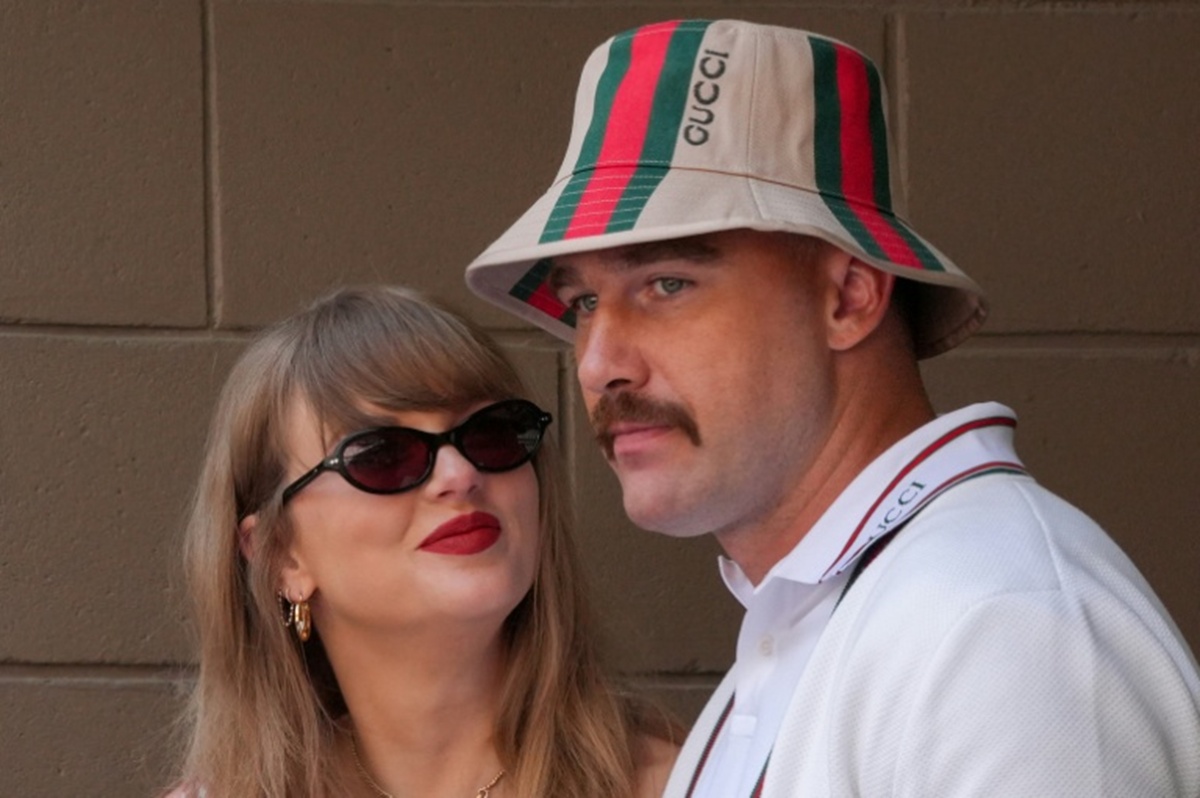
A controversial rumour has surfaced online, claiming that Taylor Swift and Travis Kelce paid a couple to give up their reserved wedding date at a luxury resort. The alleged incident, which was first mentioned on a podcast, suggested that the celebrity couple offered a substantial sum to secure the date of 13 June 2026 at Ocean House, a prestigious beachfront resort. However, the resort has vehemently denied the story, stating that it goes against their policy to allow a contracted wedding date to be bought out, casting doubt on the validity of the rumour.
The rumour gained traction following a podcast segment where a listener's acquaintance reportedly received an offer from a high-profile wedding planner on behalf of a celebrity. The offer supposedly included covering all wedding and honeymoon expenses and more in exchange for the couple giving up their slot at Ocean House on 13 June 2026, a date significant to Taylor Swift. The news sparked a range of reactions on social media, with some condemning the alleged act as a display of celebrity privilege.
Ocean House's sales and marketing director, Stephanie Leavitt, issued a statement refuting the rumours and emphasizing the resort's commitment to fairness and integrity. She clarified that once a couple reserves a date at the resort, it is locked in, and the resort does not allow another party to buy out a contracted wedding date. Despite the public outcry and speculation, no concrete evidence has emerged to support the claim, leaving the story in a state of uncertainty.
The controversy surrounding the alleged incident has sparked discussions about wealth, power dynamics, and the influence of privilege on significant life events like weddings. While some have criticized the perceived entitlement of using wealth to alter someone else's plans, others have pointed out the lack of verifiable evidence and the absence of comments from Swift and Kelce or their representatives. The public's reaction underscores broader concerns about fairness, privilege, and the challenges of verifying information in the age of social media.
As the story continues to circulate without concrete proof, it serves as a reminder of the blurred lines between speculation and verified facts in media reporting. The public's fascination with the alleged incident and the ensuing debate over journalistic responsibility and public reaction highlight the complexities of navigating sensational rumours in the digital age. While the truth behind the 'wedding date snatch' remains elusive, the public's interest and scrutiny are unlikely to wane anytime soon.