Sandwich-Throwing Trial of Sean Dunn: A Symbol of Resistance and Legal Debate
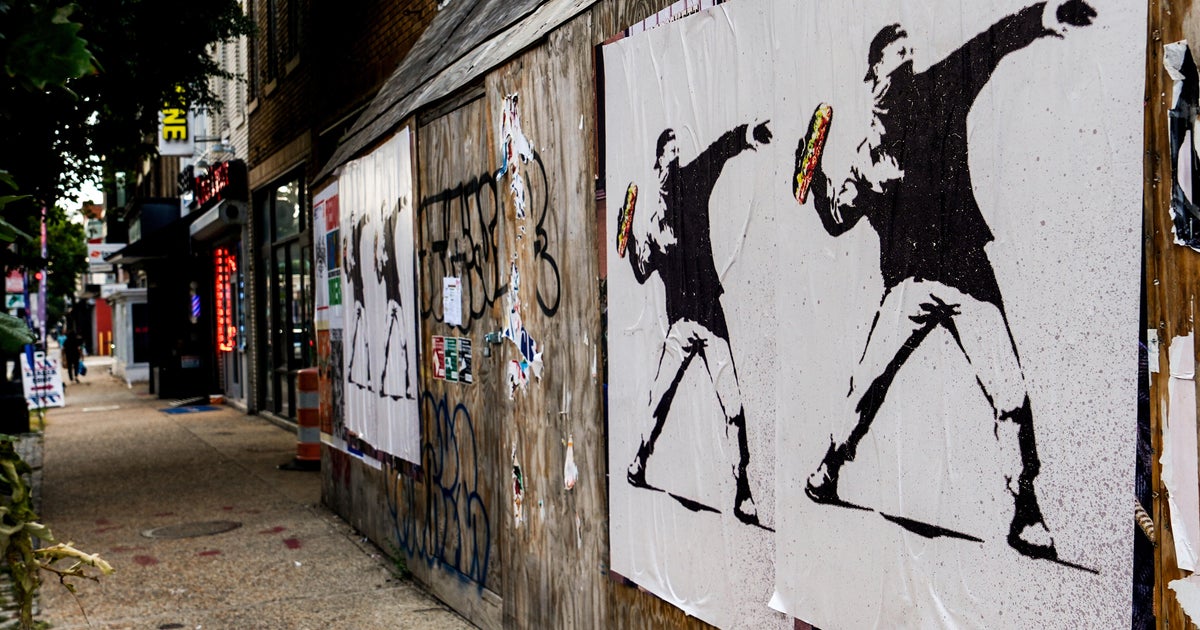
The recent federal criminal trial of Sean Dunn, who threw a sandwich at a Customs and Border Protection officer in Washington, D.C., drew significant attention despite being a misdemeanor case. The courtroom was packed with spectators, and the jurors were unaware of the national interest in the case. The trial, which involved Dunn's sandwich-throwing incident in August, became a symbol of resistance against federal policing measures in the capital.
After seven hours of deliberation, the jury acquitted Dunn, rejecting the Justice Department's claims that he had committed a crime. The politically charged case sparked intense discussions among the jurors, with initial split opinions on whether criminal charges were warranted. Most jurors believed that the sandwich incident did not constitute a criminal act or demonstrate criminal intent.
The jurors debated the significance of the case and the type of criminal intent required for prosecution. They questioned whether throwing a sandwich at a federal agent, who was wearing a ballistic vest, could cause harm. The jury ultimately agreed that the case should not have been prosecuted at the federal level, leading to Dunn's acquittal.
Despite being a misdemeanor case, the trial was marked by tension and extensive legal discussions. The jurors expressed concerns about the public attention and potential repercussions of their verdict. Some jurors felt anxious about being identified and facing threats or harassment due to the high-profile nature of the case.
In conclusion, the trial of Sean Dunn, who threw a sandwich at a federal agent, captured national interest and sparked debates about the boundaries of criminal intent. The jury's decision to acquit Dunn reflected their belief that the incident did not warrant criminal charges, highlighting the complexities of legal proceedings in politically charged cases.