Exploring the Use of AI-Equipped Body Cameras in Policing: The Edmonton Pilot Project
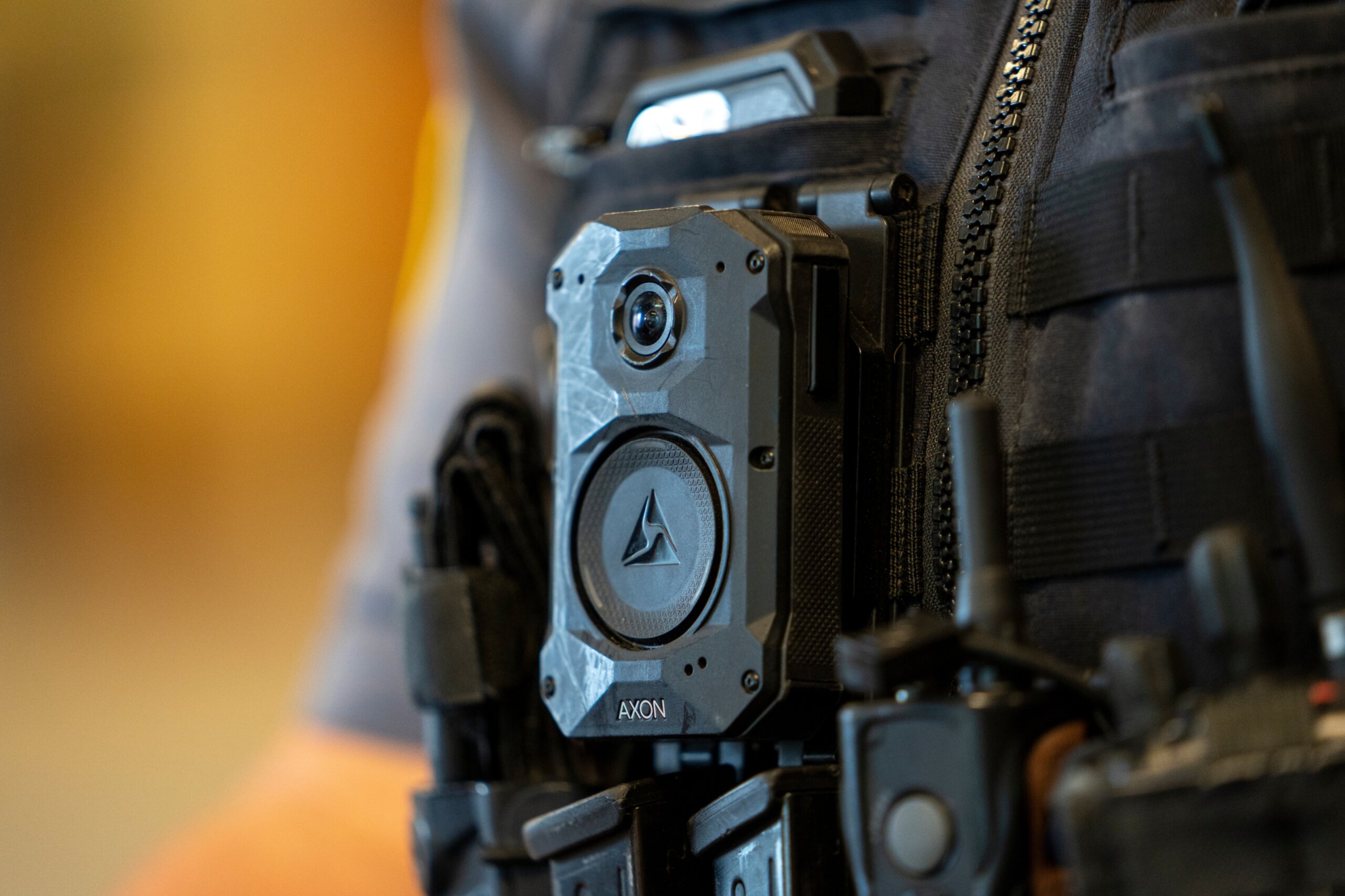
Police in Edmonton, Canada, are conducting a pilot project using body cameras equipped with artificial intelligence to detect individuals on a watch list. The technology aims to enhance officer safety by identifying people classified as high-risk. The project has sparked concerns about privacy and societal risks, especially since the leading body camera maker, Axon Enterprise, Inc., had previously raised ethical concerns about facial recognition technology. The pilot project is seen as a way to assess the technology's performance and determine necessary safeguards for responsible use.
The watch list includes individuals with serious offenses, such as violent or assaultive behavior, armed and dangerous individuals, and high-risk offenders. The goal is to target specific individuals to ensure the technology is used effectively. Axon's director of responsible AI emphasized the importance of focusing on individuals with serious offenses to maximize the technology's benefits.
The use of facial recognition technology in policing has been a topic of debate globally. While some jurisdictions have embraced body cameras for accountability, concerns about real-time facial recognition have led to pushback from civil liberties advocates. Studies have shown biases in facial recognition technology, raising questions about its accuracy and potential impact on privacy rights. Despite these concerns, some countries have adopted facial recognition technology for law enforcement purposes.
The pilot project in Edmonton is part of a broader trend towards the adoption of body cameras in policing. The government of Alberta mandated body cameras for all police agencies in the province to enhance transparency and improve evidence collection. While the use of body cameras is generally supported as a tool for accountability, the integration of facial recognition technology has raised ethical and privacy concerns.
The pilot project in Edmonton will continue through the end of December, with officers testing the technology during daylight hours. The technology is designed to assist officers in identifying potentially dangerous individuals and enhancing their safety. However, concerns remain about the impact of facial recognition technology on privacy rights and interactions with the public. The project's outcomes will be closely monitored to assess its effectiveness and address any ethical implications.
In conclusion, the pilot project in Edmonton represents a significant step in testing the use of facial recognition technology in policing. While the technology has the potential to enhance officer safety and improve law enforcement capabilities, concerns about privacy, bias, and ethical implications must be carefully considered. The outcomes of the pilot project will provide valuable insights into the use of facial recognition technology in real-world policing scenarios, informing future decisions about its deployment and regulation.