Clash of Policies: Immigration Enforcement in Louisiana Sparks Debate Between State and Local Authorities
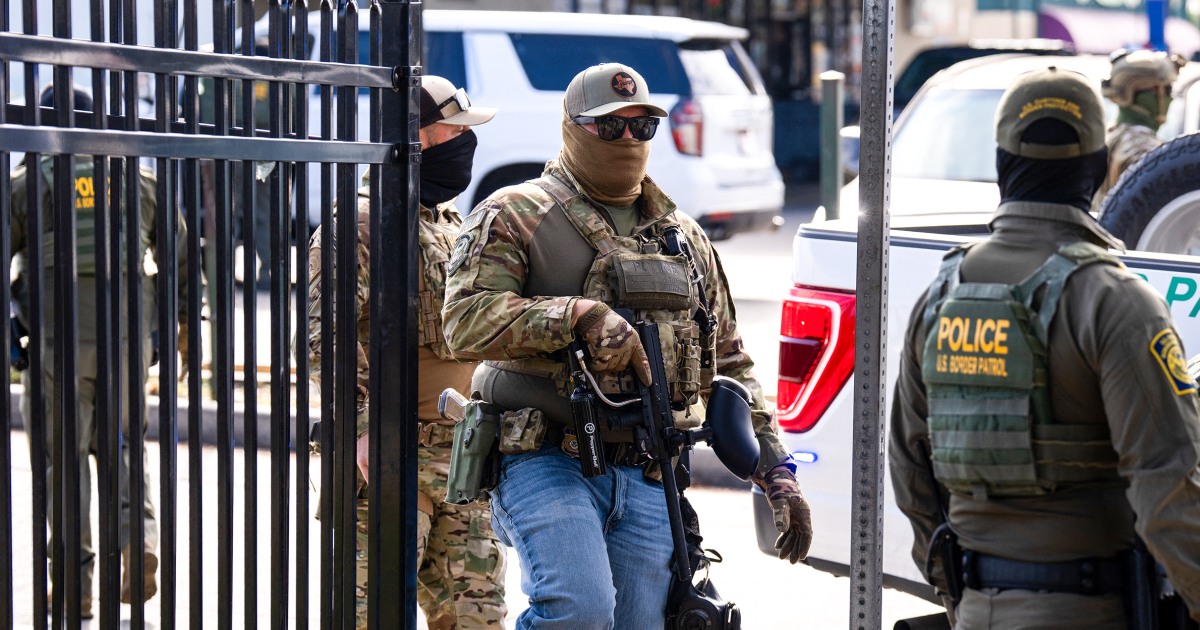
A recent immigration enforcement operation in Louisiana has sparked a clash between New Orleans' sanctuary city policies and state laws supported by Republican officials. While New Orleans leaders have resisted aiding the operation, Louisiana's top officials, including Governor Jeff Landry, have welcomed federal intervention to combat violent offenders and ensure public safety. The operation, dubbed "Operation Catahoula Crunch" by the Department of Homeland Security, is part of a broader trend of enforcement escalations in Democratic-led cities like Los Angeles and Chicago.
Despite the enforcement efforts, New Orleans has seen a decline in violent crime, with the city on track to have its lowest number of homicides in nearly 50 years. However, local leaders have criticized the operation, citing unnecessary fear and alarm among vulnerable residents. Louisiana's state policies, under Landry's direction, have aligned with federal immigration enforcement efforts, including encouraging local law enforcement agencies to collaborate with DHS through programs like 287(g).
The clash between state and local policies in New Orleans is evident in the city's sanctuary status, which limits cooperation with federal immigration authorities. While the New Orleans Police Department has restrictions on assisting federal immigration agencies, recent legal developments have raised concerns about potential conflicts with federal laws. State Attorney General Liz Murrill has urged law enforcement agencies, including the NOPD, to fully cooperate with ICE and CBP agents, citing public safety and the rule of law.
Immigration advocates in New Orleans have expressed concerns about the impact of the enforcement operation on immigrant communities, noting increased fear and uncertainty among residents. The recent arrests made as part of the operation have led to disruptions in daily life, with families keeping children home from school and businesses closing. Despite the ongoing conflict between state and local policies, advocates are calling for stronger opposition to Trump's immigration enforcement tactics and greater protection for immigrant communities.
In conclusion, the immigration enforcement operation in Louisiana has highlighted the tensions between New Orleans' sanctuary city policies and state laws that support federal intervention. While state officials welcome federal enforcement efforts to combat violent crime, local leaders and advocates are raising concerns about the impact on immigrant communities and the need for stronger protections against aggressive immigration tactics. The clash between state and local policies underscores the complex dynamics of immigration enforcement in diverse communities like New Orleans.