Congressional Debate on Obamacare Subsidies: Proposals, Challenges, and Implications
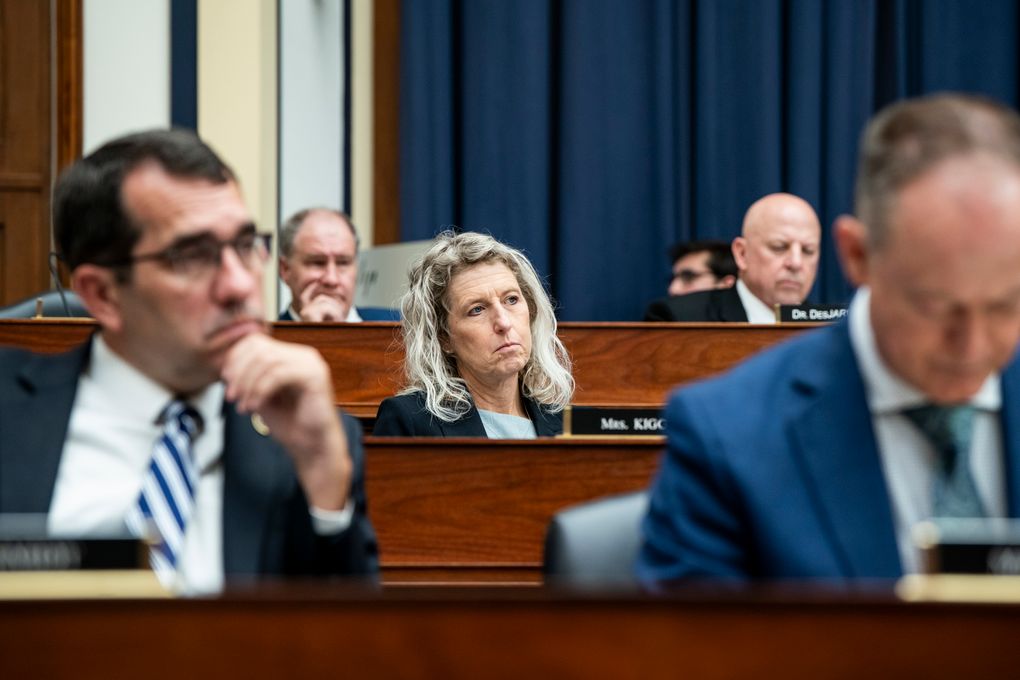
Obamacare premiums are set to increase on January 1 unless Congress takes action. Several senators, including Josh Hawley, Chuck Schumer, Bill Cassidy, and Rick Scott, have proposed changes to address the expiring Obamacare subsidies. The Republicans are facing a challenge as various proposals emerge within the party, with little hope for bipartisan agreement on the issue.
Senate Democrats have put forward a plan to extend the subsidies for three years, but it is unlikely to garner much Republican support. The GOP has historically opposed the Affordable Care Act and has differing opinions on how to address the rising premiums. While some Republicans advocate for a conservative overhaul of Obamacare, others are concerned about the political implications of inaction.
The key players on both sides have presented their proposals to make healthcare more affordable before the enhanced subsidies expire. Donald Trump initially planned to extend the subsidies temporarily but faced opposition from Republican lawmakers. Chuck Schumer is pushing for a three-year extension of the subsidies without income caps, while Bill Cassidy aims to redirect the enhanced subsidies to health savings accounts.
Rick Scott has introduced a bill to transform the subsidies into "Trump Health Freedom Accounts" that could be used to pay premiums. Josh Hawley has proposed allowing people to deduct medical expenses from their incomes at tax time to address rising insurance premiums. Moderates and representatives in competitive districts are concerned about the potential consequences of failing to address the subsidies and rising premiums.
In conclusion, the debate over expiring Obamacare subsidies continues to divide Congress, with Republicans grappling with various proposals and little hope for bipartisan agreement. The fate of the subsidies and the impact on healthcare affordability remain uncertain as the deadline approaches.