The Human Impact of Changes to the U.S. Refugee Program: Stories of Separation and Uncertainty
The refugee program in the United States has undergone significant changes under President Donald Trump's administration. The suspension of the program left many individuals who were on the brink of starting a new life in America stranded. Despite the program being resumed, the number of refugee admissions has been drastically reduced to just 7,500, with a focus on white South Africans. The administration has implemented new restrictions and plans to review refugees admitted during the previous administration.
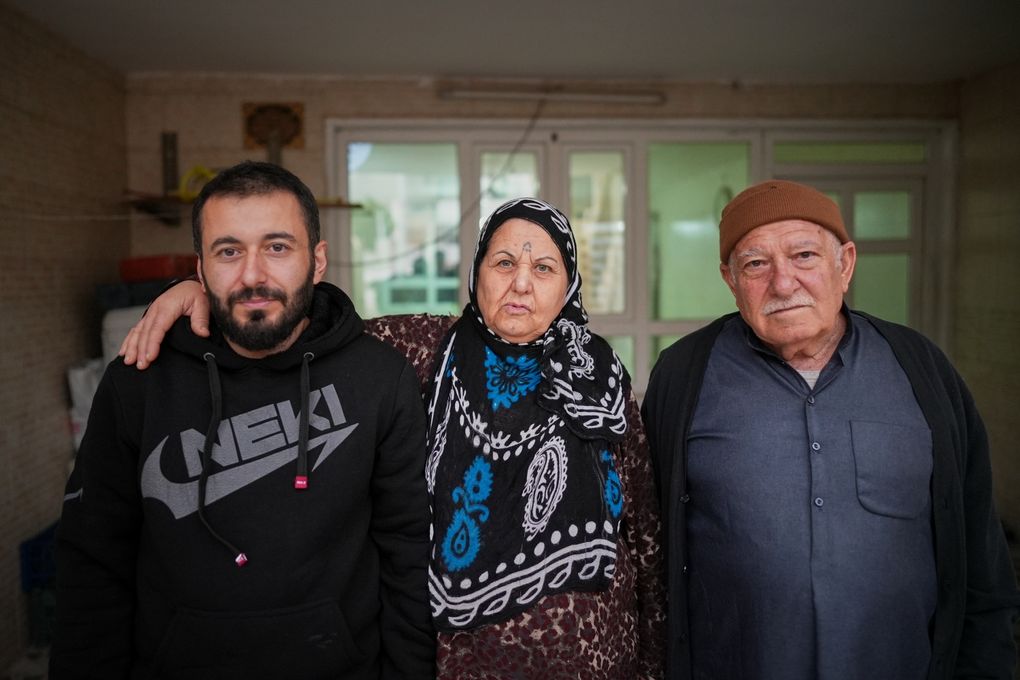
The impact of these policy changes is evident in the stories of families like the Dawoods, who had been waiting for years to come to the U.S. from Syria. Their journey was disrupted when mother Hayat Fatah's departure was postponed due to a medical issue. Similarly, Chinese Christian Lu Taizhi, who fled to Thailand to escape persecution, has faced numerous challenges in seeking resettlement in the U.S. His application has been put on hold indefinitely, leaving him separated from his family.
Louis, a refugee from East Africa, arrived in the U.S. in 2024 but was informed that his request to bring his wife and children had been frozen due to policy changes. His family remains in a refugee camp in Uganda, while Louis is in Kentucky. The uncertainty of when they will be reunited weighs heavily on them, especially as the children struggle with the separation.
These stories highlight the human impact of the changes to the refugee program in the U.S. Families are left in limbo, unsure of when they will be able to reunite and start a new life together. The hope of a better future in America has been overshadowed by the uncertainty created by shifting policies. The resilience and patience of these individuals in the face of adversity are a testament to their strength and determination.