Germany Approves Voluntary Military Service Amid Rising Tensions: A Shift in Defence Strategy
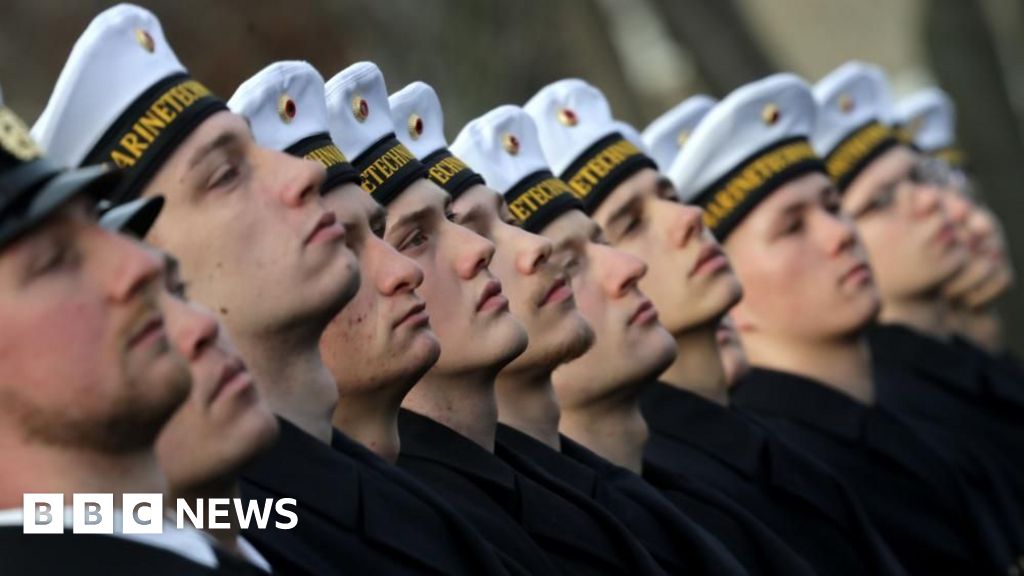
Germany's parliament, the Bundestag, has approved the implementation of voluntary military service in response to Russia's invasion of Ukraine. This decision represents a significant change in Germany's military strategy, with Chancellor Friedrich Merz aiming to establish Europe's most robust conventional army. Starting in January 2026, all 18-year-olds in Germany will receive a questionnaire to determine their interest in joining the armed forces, with mandatory participation for men and voluntary for women. This move has sparked protests across the country, with many young Germans expressing opposition to the new law, citing concerns about the impact of military training on their lives and future prospects.
The introduction of voluntary military service in Germany follows similar initiatives in other European countries, such as France, which recently announced a 10-month voluntary military training program for 18- and 19-year-olds. While the German government emphasizes the voluntary nature of military service, it plans to conduct medical examinations for all 18-year-old men from July 2027 to assess their fitness for potential military duty. Defence Minister Boris Pistorius argues that universal medical assessments are essential to ensure readiness in the event of an attack, without wasting time determining operational capabilities during a crisis.
The Bundeswehr, Germany's army, currently comprises approximately 182,000 troops, with plans to increase this number by 20,000 in the coming year and reach a total of 260,000 soldiers by the early 2030s, supported by around 200,000 reservists. The goal is to meet new Nato force targets and enhance Germany's defence capabilities. While voluntary service is the primary focus, the possibility of compulsory military service remains if security threats escalate or volunteer numbers are insufficient. In such scenarios, the military would rely on the questionnaires and medical exams to identify potential recruits.
Germany's decision to reintroduce voluntary military service reflects a shift in its defence policy, following the end of compulsory military service in 2011. Chancellor Friedrich Merz's administration aims to strengthen the Bundeswehr and align with Nato's defence priorities amid growing tensions with Russia and pressure from the United States. The government's emphasis on voluntary service includes attractive incentives, such as a monthly salary of approximately €2,600, to encourage participation. The Bundestag also addressed a pensions reform bill, a key component of the coalition agreement between Merz's conservatives and the Social Democrats, to maintain state pension levels until 2031.
Despite concerns about the financial sustainability of the pensions reform plan, the Bundestag narrowly passed the bill with support from coalition members and abstentions from the opposition Left party. This outcome averted a potential government crisis and ensured the continuation of the coalition's governance. Germany's evolving military and social policies reflect the country's response to external threats and internal challenges, as it seeks to strengthen its defence capabilities and address societal concerns.